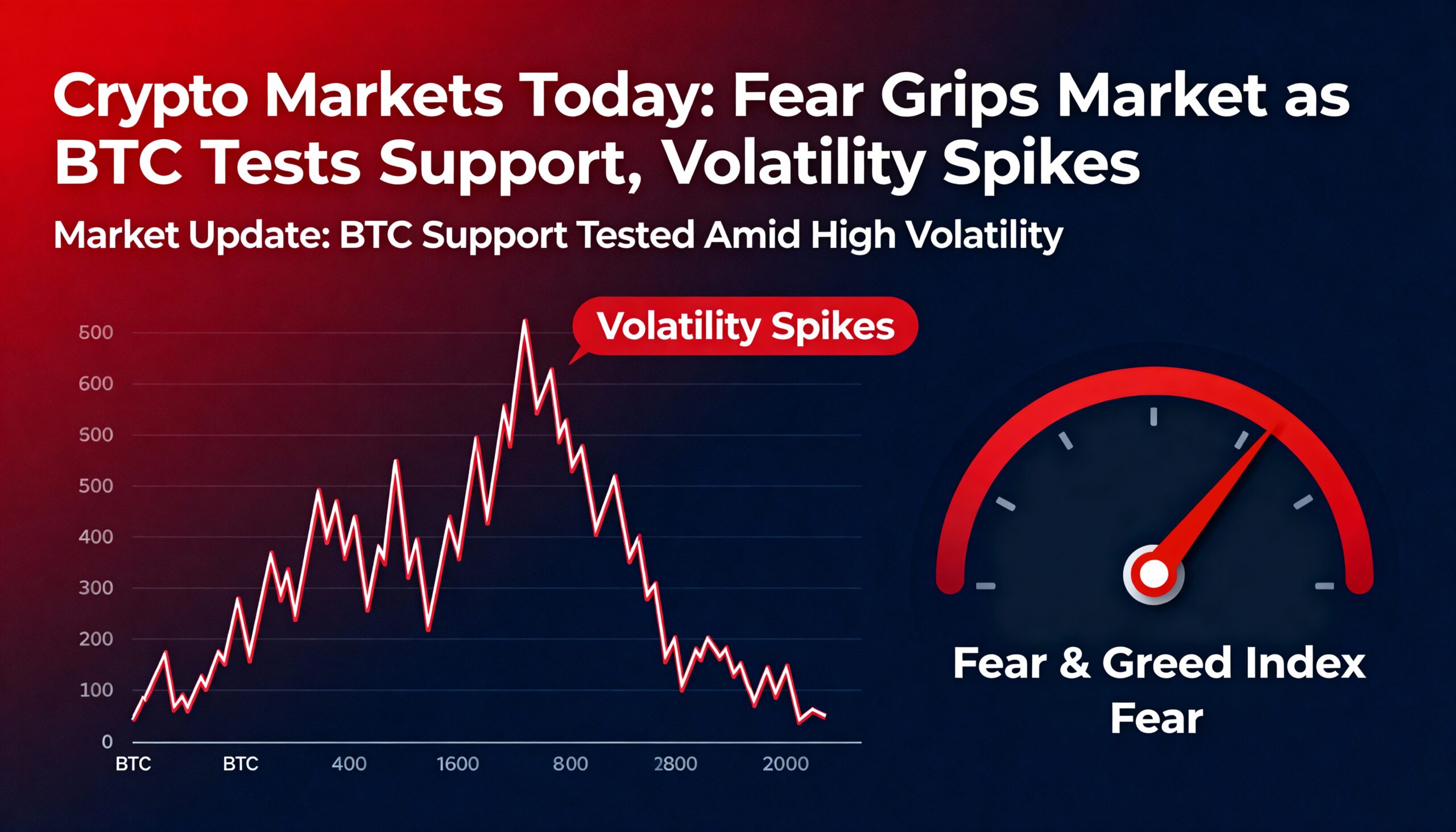
Crypto markets continued to weaken ahead of this week’s record options expiration, with defensive positioning and thinning liquidity pointing to a cautious backdrop into 2026.
Bitcoin (BTC) and other major digital assets slid through Monday’s U.S. session. BTC dropped below $88,000 after earlier trading above $90,000, while ether (ETH) slipped back under the $3,000 level.
Some crypto-linked equities managed to hold onto gains. Hut 8 (HUT) led the group, rising 16% as it extended last week’s rally following its 15-year AI data center lease agreement with Fluidstack. The move was also supported by a price target increase from Benchmark analyst Mark Palmer. Coinbase (COIN) and Robinhood (HOOD) were also higher, though both retreated from intraday highs as crypto prices pulled back. Strategy (MSTR) reversed course, sliding from an earlier 3% gain to a modest loss by late trading.
Options expiry in focus
The choppy trading range between $85,000 and $90,000 comes ahead of Friday’s record $28.5 billion expiration of bitcoin and ether options on Deribit. The expiring contracts account for more than half of the exchange’s $52.2 billion in total open interest, according to Jean-David Pequignot, Deribit’s chief commercial officer.
“This year-end expiry reflects a market defined by growing institutional maturity and a shift from speculative cycles toward a policy-driven supercycle,” Pequignot said.
Bitcoin’s $96,000 “max pain” level sits at the center of the expiry, where option sellers stand to gain the most. About $1.2 billion in open interest is concentrated at the $85,000 put strike, a level that could weigh on spot prices if downside pressure builds. While mid-term call spreads targeting $100,000 to $125,000 remain in place, short-term protective puts have become more expensive, he added.
Although the skew between call and put pricing has retreated from recent highs, it continues to signal caution. Traders appear to be rolling hedges forward rather than closing them out, shifting from December $85,000–$70,000 puts into January $80,000–$75,000 put spreads, suggesting concerns extend beyond year-end.