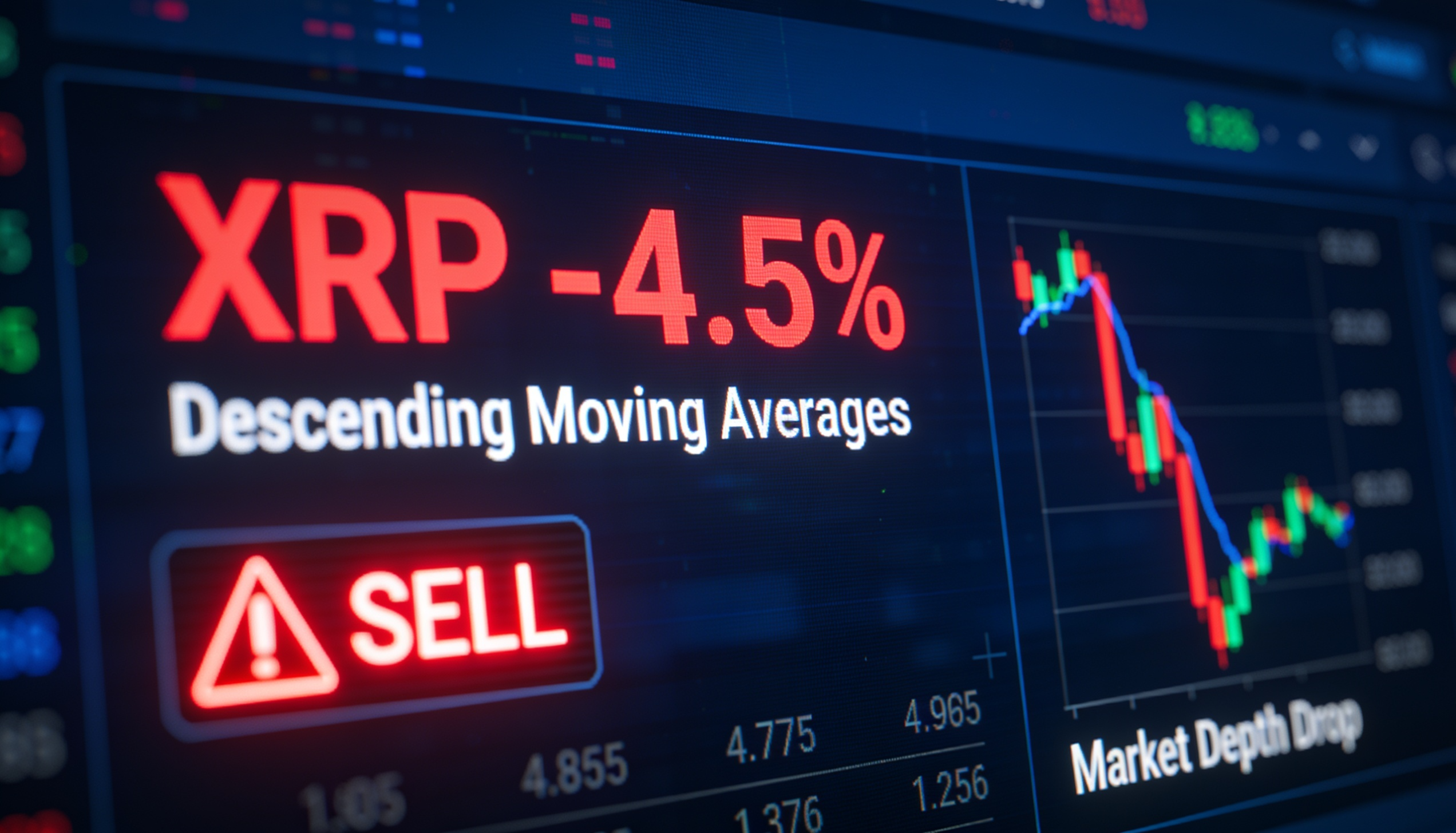
Crypto markets are treading water as escalating tensions in the Middle East weigh on sentiment, even as broader macro conditions had been showing signs of improvement, according to digital asset manager Grayscale.
In its latest research note, the firm said the conflict in Iran has dominated market dynamics, overshadowing what had previously been a more constructive global outlook. Prior to the escalation, economic growth appeared to be gaining traction and central banks were signaling a shift toward rate cuts. That narrative has since been disrupted by a surge in oil prices, reigniting inflation concerns and pushing rate expectations higher—factors that have pressured risk assets and kept investors on the sidelines.
Since hostilities intensified, crypto markets have remained volatile yet largely range-bound, reacting sharply to headlines tied to oil movements and broader risk sentiment. Bitcoin initially slid into the mid-$60,000 range following the first signs of escalation, then rebounded toward the low-$70,000s before retreating again as the conflict persisted and macro conditions tightened.
More recently, renewed tensions have driven bitcoin roughly 10% lower from its March highs, with ether and other digital assets also declining as investors reduced exposure to risk. Despite this turbulence, crypto has shown relative strength compared to some traditional markets. Bitcoin, for instance, has remained დაახლოებით flat since the conflict began and has at times outperformed equities, highlighting both its macro sensitivity and underlying resilience.
Grayscale expects many investors to remain cautious in the near term, waiting for clearer signals on geopolitics and energy markets. A de-escalation in tensions and a pullback in oil prices could quickly improve the macro backdrop and support risk assets. Conversely, sustained energy price pressures may continue to weigh on growth and delay recovery.
Even so, the firm notes that crypto valuations have held up relatively well through the volatility, suggesting the possibility that a more durable bottom is forming. Continued inflows into spot crypto investment products, along with increased activity in futures markets, indicate that risk appetite may be stabilizing beneath the surface.
Looking ahead, Grayscale argues that easing macro uncertainty will be key to unlocking the next sustained move higher. However, it emphasizes that the structural drivers of the asset class remain firmly in place, particularly the ongoing expansion of stablecoins and tokenized financial products.
The stablecoin market, in particular, has seen rapid growth, expanding from roughly $20 billion in 2020 to over $300 billion by 2025, and currently standing near $315 billion. Around $100 billion of that growth came in 2025 alone, marking a strong rebound following a brief contraction and reflecting rising demand for dollar-pegged assets across trading, payments, and decentralized finance.
According to the report, periods of heightened uncertainty like the current environment have historically created attractive entry points for long-term investors positioning for the next phase of growth in digital assets.