Bitcoin is trading in a choppy range near $66,600 as the holiday weekend reduces market participation, leaving prices more exposed to downside pressure.
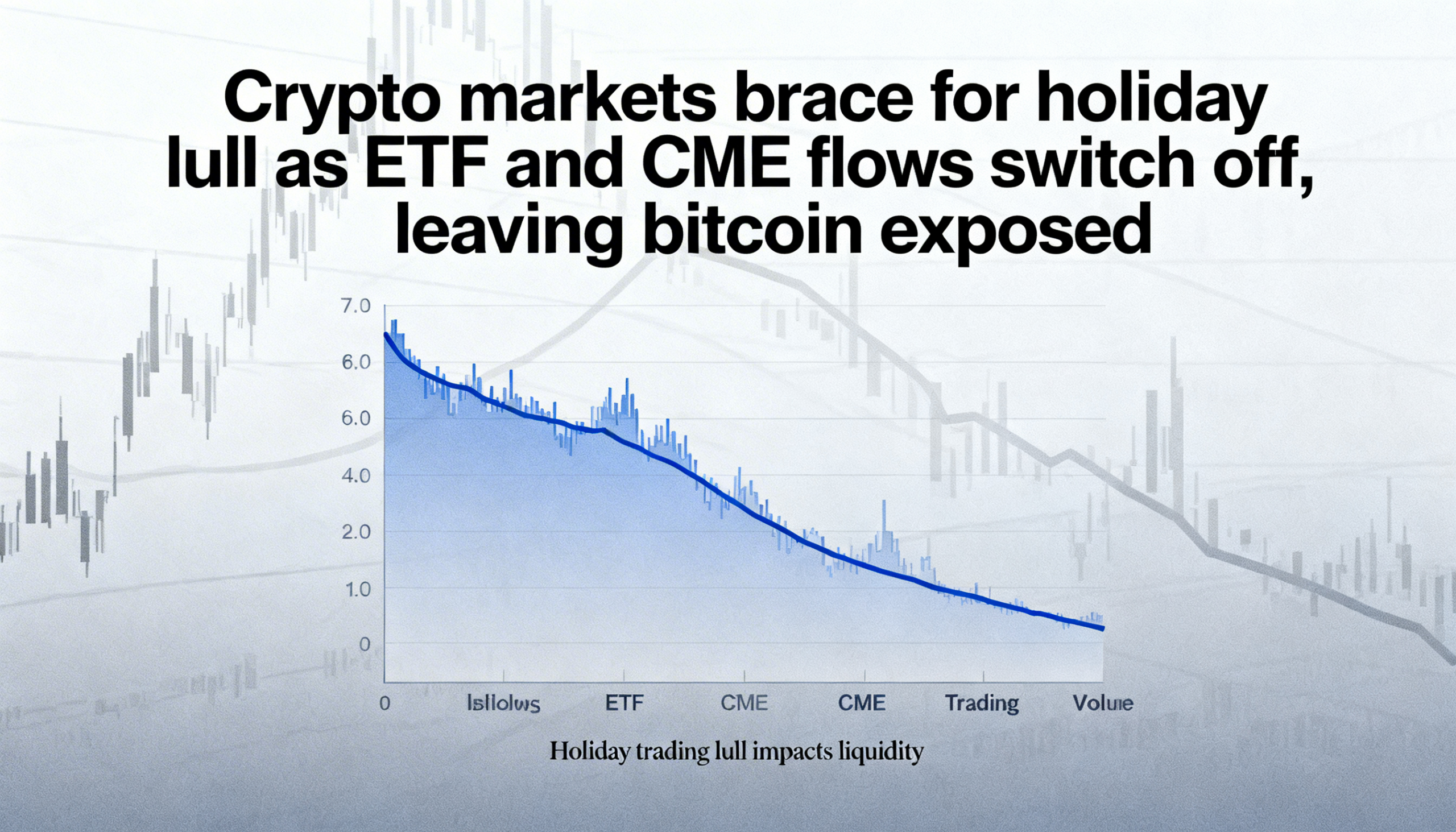
With Good Friday shutting CME futures and pausing ETF activity, the market is heading into a temporary liquidity gap at a time when one of its main sources of demand is already weakening.
Support around $65,000 is beginning to look increasingly vulnerable, especially as key buyers remain heavily influenced by macro conditions. Data from CryptoQuant shows 30-day apparent demand has fallen to roughly -63,000 BTC, even as ETF inflows and corporate accumulation have picked up. Market maker Enflux noted that current price support is “partly underwritten by expectations of rate cuts.”
In the past month, ETFs have absorbed करीब 50,000 BTC—the strongest pace since October 2025—while Strategy added around 44,000 BTC over the same period. Despite these inflows, overall demand remains negative, as broader selling continues to outweigh institutional buying.
The selling pressure is particularly evident among large holders. Wallets holding between 1,000 and 10,000 BTC have shifted into net distribution, with their one-year balance change dropping to about -188,000 BTC from a peak of +200,000 BTC during the 2024 cycle. Mid-sized holders have also slowed accumulation, while the Coinbase Premium remains negative, signaling weak demand from U.S. spot markets.
This dynamic has created a market where rising institutional participation does not necessarily translate into stronger price support. As more capital flows through ETFs and regulated futures, bitcoin is increasingly driven by macro-sensitive positioning—such as hedging and portfolio allocation shifts—rather than broad spot demand.
That macro dependence is now being tested by inflation data. Enflux pointed to the ISM prices-paid index, which rose to 78.3 in March, its highest level since mid-2022, complicating the outlook for near-term rate cuts. The shift is already visible in flows, with $296 million in net ETF outflows during the week of March 24 and muted inflows so far in April.
The long weekend removes a key stabilizer. With CME closed and ETF creation and redemption paused, the institutional bid that has supported bitcoin’s price will largely step away, leaving the market to spot trading where selling pressure has been more persistent.
CryptoQuant estimates that any relief rally could run into resistance between $71,500 and $81,200—levels that have capped prior rebounds in the current bear market environment.
The next major test comes with U.S. inflation data due April 9. If core PCE for March comes in above February’s 3.1%, expectations for rate cuts could fade further, adding to downside risks for bitcoin.