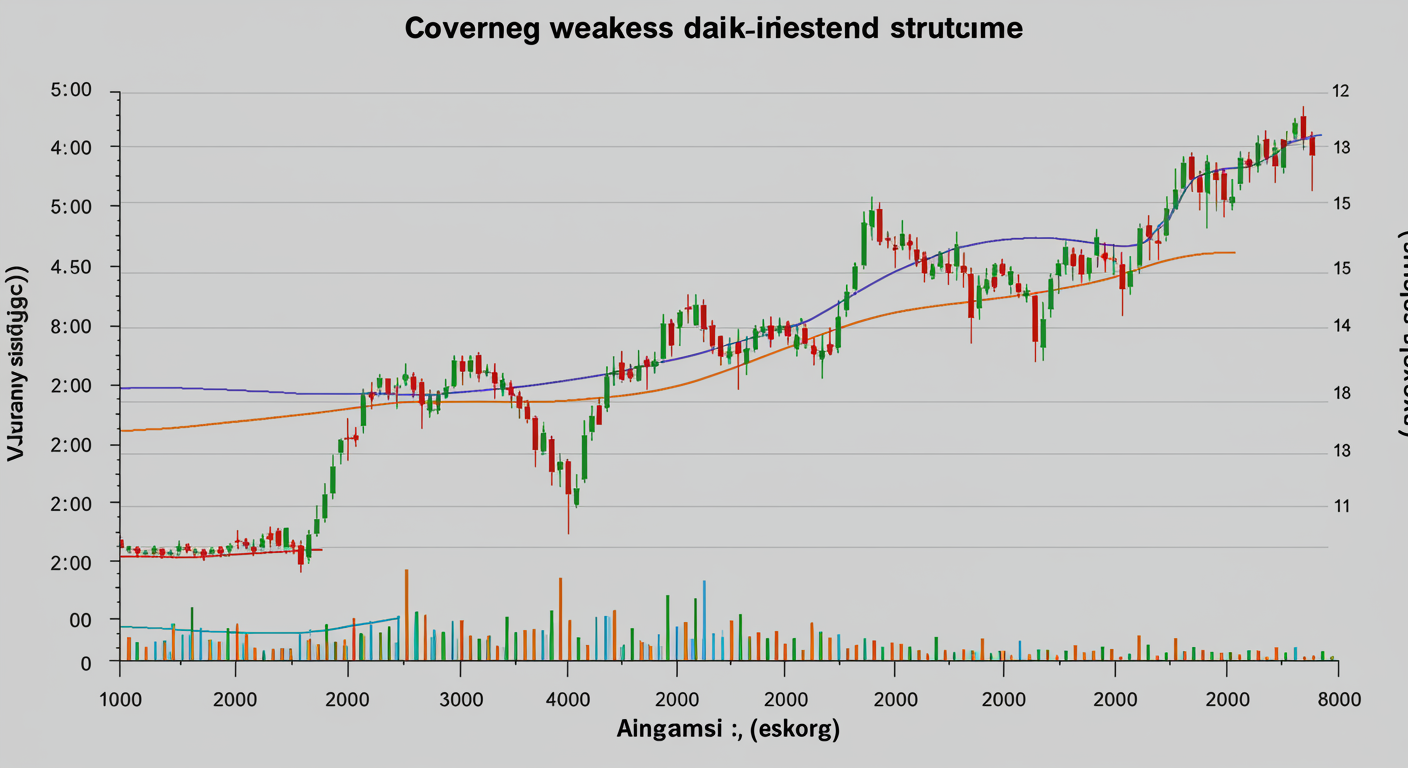
Bitcoin’s demand profile continues to deteriorate, even as institutional accumulation ramps up. According to CryptoQuant, net demand is contracting at a pace of roughly 63,000 BTC per month, while large holders have offloaded nearly 188,000 BTC over the past year.
In short, the biggest buyers in the market are active—but they are being overwhelmed.
CryptoQuant’s latest weekly data shows 30-day apparent demand firmly in negative territory at -63,000 BTC as of late March. Over the same period, spot Bitcoin ETFs absorbed approximately 50,000 BTC—the strongest inflow since October 2025—while Strategy added another 44,000 BTC. Together, these institutional channels accounted for around 94,000 BTC in purchases during March.
Yet despite that demand, the broader market continues to sell at a much faster pace. The imbalance implies that other participants—including retail investors, miners, funds, and long-term whales—distributed roughly 157,000 BTC during the same timeframe.
A range of additional indicators confirms the same underlying trend.
Large holders, defined as wallets holding between 1,000 and 10,000 BTC, have shifted decisively into distribution. Once the market’s primary source of accumulation, they are now among its largest sellers, in what CryptoQuant describes as one of the most aggressive distribution phases on record. Over the past 18 months, their behavior has swung dramatically—from accumulating 200,000 BTC annually to distributing 188,000 BTC, a nearly 400,000 BTC reversal.
Mid-sized holders (100 to 1,000 BTC) remain net buyers, but their activity has slowed sharply. Annual accumulation has dropped more than 60% since October 2025, falling from nearly 1 million BTC to just 429,000. Participation hasn’t disappeared—but conviction has clearly weakened.
At current levels between $67,000 and $68,000, Bitcoin still trades about 21% above its realized price of $54,286, which represents the average cost basis across the network. Historically, true cycle bottoms have only formed once spot prices fall below this level.
That was the case in 2022, when Bitcoin traded beneath its realized price for several months, ultimately bottoming near $15,500—roughly 15% below the metric.
Today’s market has not reached that point, though the gap is closing quickly. At its late-2024 peak above $119,000, Bitcoin traded at a premium of around 120% to realized price. That premium has since compressed to just 21% in roughly 15 months—one of the fastest contractions outside of major crash events.
Sentiment data reflects growing stress. The Fear and Greed Index has remained stuck between 8 and 14, deep in extreme fear territory, for several weeks. At the same time, Bitcoin ETFs attracted over $1 billion in net inflows during March.
This divergence is notable. Institutional capital continues to enter the market, but it is not translating into broader confidence. Instead, it suggests that large players are accumulating while other participants step back.
The Coinbase Premium Index reinforces this dynamic. Widely used as a proxy for U.S. institutional demand, the metric has remained negative since Bitcoin’s all-time high above $126,000 in October 2025. Even at lower price levels, U.S.-based buyers have yet to re-engage meaningfully.
Price action over the past month further highlights this hesitation. Bitcoin has traded in a tight range between $65,000 and $73,000, reacting to developments in the Iran conflict. Each escalation has triggered selling, while signs of de-escalation have sparked short-lived rallies—leaving the market effectively unchanged.
This repetitive pattern has discouraged active positioning. Rather than panic selling, participants appear to be withdrawing gradually, a trend that is reflected in weakening demand metrics.
Despite this, the current drawdown—around 47% from the October high—remains significantly shallower than previous cycle declines of 80% or more. Analysts increasingly interpret this as a sign of structural maturation.
Fidelity Digital Assets analyst Zack Wainwright recently noted that Bitcoin’s behavior is becoming “less impulsive,” with a lower probability of extreme downside. Similarly, AdLunam’s Jason Fernandes argued that drawdowns compressing toward 50% reflect deeper liquidity and increased institutional participation, both of which dampen volatility.
This shift may also reshape how the current cycle resolves. If Bitcoin is transitioning away from violent boom-bust dynamics, the ongoing demand contraction may not culminate in a sharp capitulation event, as seen in prior bear markets.
Looking ahead, two potential catalysts could influence the near-term outlook.
Morgan Stanley has introduced a low-cost Bitcoin ETF with a 14-basis-point fee, opening access to a network of 16,000 financial advisors managing $6.2 trillion in assets—a new distribution channel that could drive incremental demand.
Meanwhile, Strategy’s STRC preferred equity offering continues to attract inflows, supporting its ongoing Bitcoin accumulation of roughly 44,000 BTC per month. If sustained, this could provide a consistent source of buying pressure, though it remains concentrated within a single entity.
In the short term, CryptoQuant sees scope for a rebound toward the $71,500 to $81,200 range if geopolitical tensions ease. These levels align with key on-chain resistance zones tied to trader cost bases, which have historically capped rallies during bearish phases.
The broader takeaway across multiple datasets is consistent: Bitcoin’s internal demand structure is weakening.
That does not necessarily imply an imminent breakdown. However, it does suggest that the current price floor is increasingly dependent on whether institutional buyers—ETFs, Strategy, and new entrants like Morgan Stanley—can continue absorbing the supply being offloaded by the rest of the market.