Bitcoin holds range near $67K as sentiment deteriorates sharply
Bitcoin is hovering around $67,100, little changed over the weekend, even as market sentiment slides to its weakest point since the Iran conflict began on February 28.
According to Santiment, social media sentiment has turned notably bearish, with roughly five negative posts for every four positive ones—the most pessimistic reading in five weeks. The last time sentiment skewed this heavily negative was during Operation Epic Fury, when bitcoin briefly dipped below $65,000.
The Fear and Greed Index reinforces the trend. Currently at 9, it remains deep in extreme fear territory and has been stuck between 8 and 14 for more than a month. Sustained readings at these levels without a significant price breakdown are unusual. In 2022, similar sentiment conditions coincided with major capitulation events such as the LUNA collapse and the FTX failure, both of which saw sharp one-day losses of 20% to 30%.
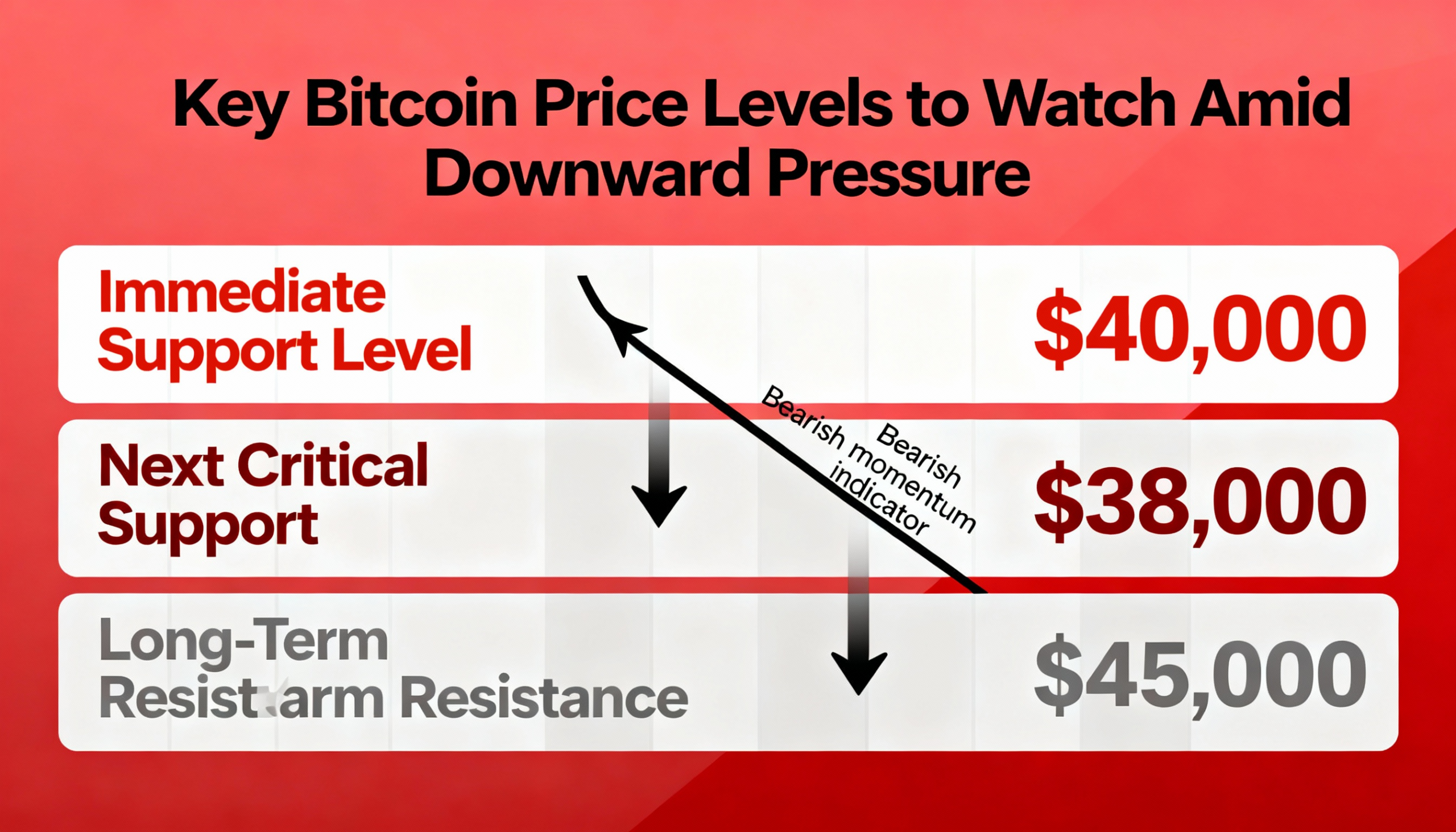
This time, price action is telling a different story. Despite a steady flow of negative catalysts—including geopolitical tensions, political developments, $403 million in liquidations, and weak on-chain demand—bitcoin has remained range-bound between $65,000 and $73,000 for the past five weeks. It is still trading within roughly 5% of where it stood at the start of the conflict.
The resilience appears to be driven by strong institutional demand. Spot Bitcoin ETFs absorbed around 50,000 BTC in March, the fastest pace since October 2025. Strategy added another 44,000 BTC, while Morgan Stanley gained approval for a low-fee bitcoin ETF, opening access to 16,000 financial advisors managing $6.2 trillion in assets. These flows have helped establish a firm price floor.
However, that support has yet to translate into upward momentum. Broader market demand remains weak. Recent analysis shows 30-day apparent demand at negative 63,000 BTC, indicating that selling pressure from the wider market continues to exceed institutional inflows.
Large holders are a major driver of that selling. Wallets holding between 1,000 and 10,000 BTC have flipped from accumulation to heavy distribution, shifting from adding 200,000 BTC annually to offloading 188,000 BTC—one of the most aggressive reversals on record.
Seasonal trends might typically offer some optimism. April has historically been one of bitcoin’s strongest months, posting gains in 10 of the past 15 years with an average return of 20.9%.
But current conditions complicate that outlook. Ongoing geopolitical tensions, persistent distribution, a negative Coinbase Premium, and deeply depressed sentiment continue to weigh on the market—leaving bitcoin stable on the surface, but under growing pressure beneath it.