The June CPI data sharply reduced expectations of a near-term rate hike, with probabilities dropping from 43% to 13%. Attention has now shifted to the September FOMC meeting for further guidance on market positioning.
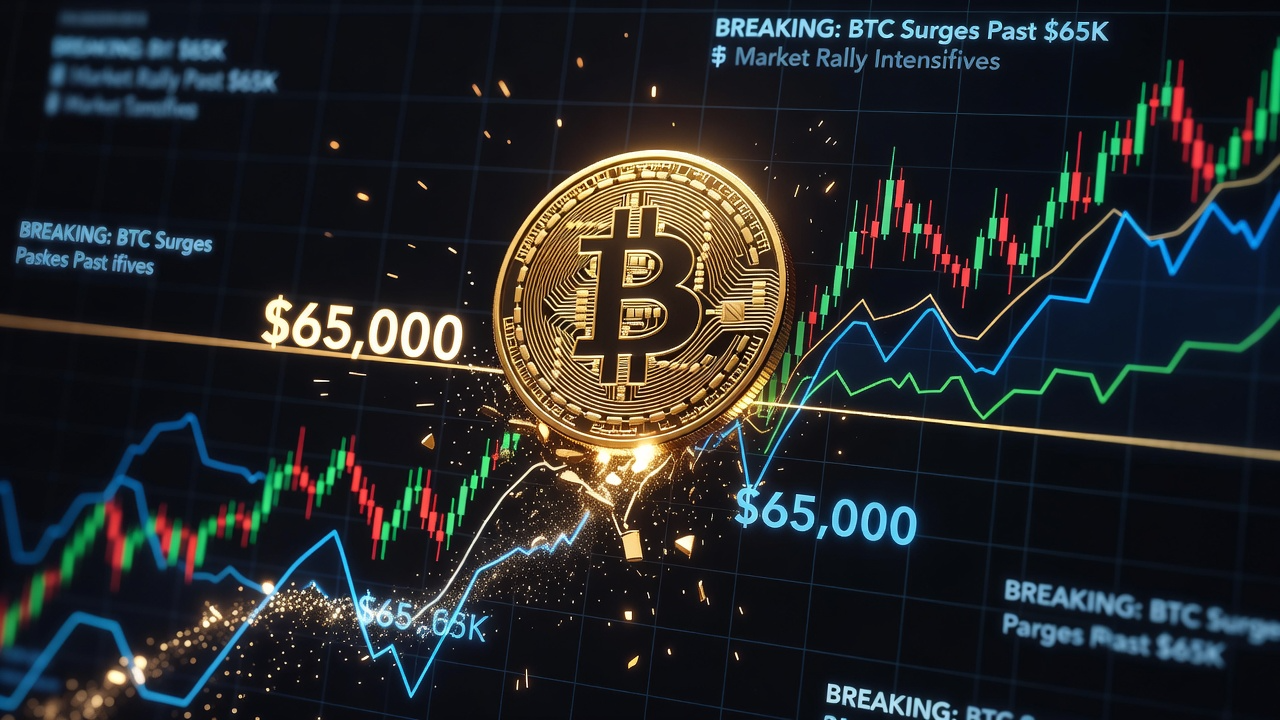
Bitcoin rose to around $64,800 on Wednesday, marking its strongest performance in weeks, after U.S. inflation cooled more than anticipated. The softer reading led traders to dial back bets on a Federal Reserve rate increase this month.
Headline inflation declined to 3.5% from 4.2%, while core inflation—excluding food and energy—fell to 2.6% from 2.9%. The easing in core prices suggests broader inflation pressures are moderating, weakening the argument for additional rate hikes.
Following the report, rate hike expectations dropped sharply, and the two-year Treasury yield fell by six basis points.
Bitcoin gained 3.6% over the past 24 hours and is up 3.3% for the week, with trading volumes reaching about $31 billion. Ether outperformed, rising to nearly $1,880—up 5.3% on the day and 7.1% over the past week. Other cryptocurrencies also moved higher: HYPE climbed 6.4% to $67, XRP gained 3.7% to $1.10, Solana advanced 3.6% to $78, Dogecoin rose 2.9%, and BNB added 1.9% to $579.
Higher interest rates typically weigh on bitcoin and other risk assets, as increased yields on cash and government bonds make safer investments more appealing compared to volatile, non-yielding assets like crypto.
Conversely, cooling inflation reduces the need for further rate hikes, easing that pressure and encouraging capital to rotate back into riskier markets.
In commodities, Brent crude increased 1% to above $85 per barrel, extending its rally to a third consecutive day. Oil prices have surged 11% over two sessions amid renewed geopolitical tensions, including U.S. threats of additional strikes on Iran and a renewed blockade of Iranian shipping through the Strait of Hormuz.
Equities followed a similar trend. MSCI’s Asia Pacific index rose 2.3%, its strongest gain in a month, led by technology stocks. South Korea’s Kospi jumped 8.2%, reclaiming its position as the top-performing major index this year, while SK Hynix gained 13% in Seoul after its U.S.-listed shares surged 27%.
Jeff Ko, chief analyst at CoinEx, said bitcoin continues to behave like a rate-sensitive risk asset rather than a macro hedge. He noted that while the latest inflation data reduces immediate downside risks, it does not yet signal a sustained breakout.
With core inflation still above the Federal Reserve’s 2% target, the data gives policymakers room to pause rather than cut rates. Ko pointed to the September FOMC meeting as the next key macro catalyst, along with movements in the U.S. dollar and the strength of bitcoin ETF inflows.