Here’s another rewritten version with a cleaner, publication-style tone:
Blockchain investigator ZachXBT criticized hardware wallets as bitcoin traded steadily around $65,000 following South Korea’s rate hike.
U.S. Data Shows Softer Consumer Spending but Strong Labor Market
U.S. retail sales rose 0.2% in June, matching expectations but slowing from the 1% increase recorded in May.
Retail sales excluding automobiles declined 0.2%, slightly weaker than forecasts for a 0.1% drop and a reversal from May’s strong gain.
Labor market figures provided some support, with weekly initial jobless claims falling to 208,000, below the expected 217,000 and down from the previous week’s 216,000.
The Philadelphia Fed’s July manufacturing survey also exceeded expectations, jumping to 41.4 from 10.3 in June, compared with forecasts for a reading of 13.
Despite the mixed economic picture, financial markets showed limited movement. Bitcoin remained near $64,100, while Nasdaq futures stayed under pressure, down about 0.9%.
CoinDesk 20 Index Declines 1.1%
The CoinDesk 20 Index dropped 1.1% after the U.S. market close, trading at 17,561.14, down 20.25 points.
Uniswap gained 2% and Stellar advanced 1%, leading the index’s few winners. Bitcoin Cash fell 2.9%, while Aave declined 2.2%.
Only three assets within the 20-member index were trading higher.
Nasdaq Futures Slide as Markets Await U.S. Indicators
Nasdaq futures fell 0.6% on Thursday, alongside a nearly 1% decline in bitcoin.
Asian markets also weakened, with South Korea’s Kospi dropping more than 6% and Japan’s Nikkei losing nearly 2%.
The losses came after South Korea’s central bank raised its benchmark interest rate for the first time in more than three years, citing continued inflation concerns.
Traders were watching upcoming U.S. retail sales and jobless claims figures for signs of whether economic growth is slowing enough to reduce inflation without causing a major downturn.
Bitfinex Calls Bitcoin’s Rally a Macro-Driven Move
Bitcoin’s push toward $65,000 appears to be fueled primarily by broader market factors rather than strong crypto-native demand, according to Bitfinex analysts.
The firm said the weaker June inflation report lowered expectations of a July Federal Reserve rate increase, with odds falling to about 12% from 42%. Falling two-year Treasury yields also helped lift bitcoin alongside equities and other risk assets.
However, analysts pointed to a lack of strong spot demand. U.S. spot bitcoin ETFs recorded roughly $425 million in outflows on July 13, Strategy did not add to its bitcoin holdings, and the Coinbase premium remained negative.
Bitfinex described the rally as “borrowed strength,” warning that a move driven mainly by macro conditions could lose momentum without consistent buying from long-term investors.
Bitcoin Holds Near $65K After South Korea’s Rate Move
Bitcoin remained just below $65,000 on Thursday after the Bank of Korea raised interest rates by 25 basis points to 2.75%.
The central bank said inflation could remain elevated as higher energy costs continue to pass through the economy. South Korea’s annual inflation rate climbed to 3.2%, its highest level since 2023.
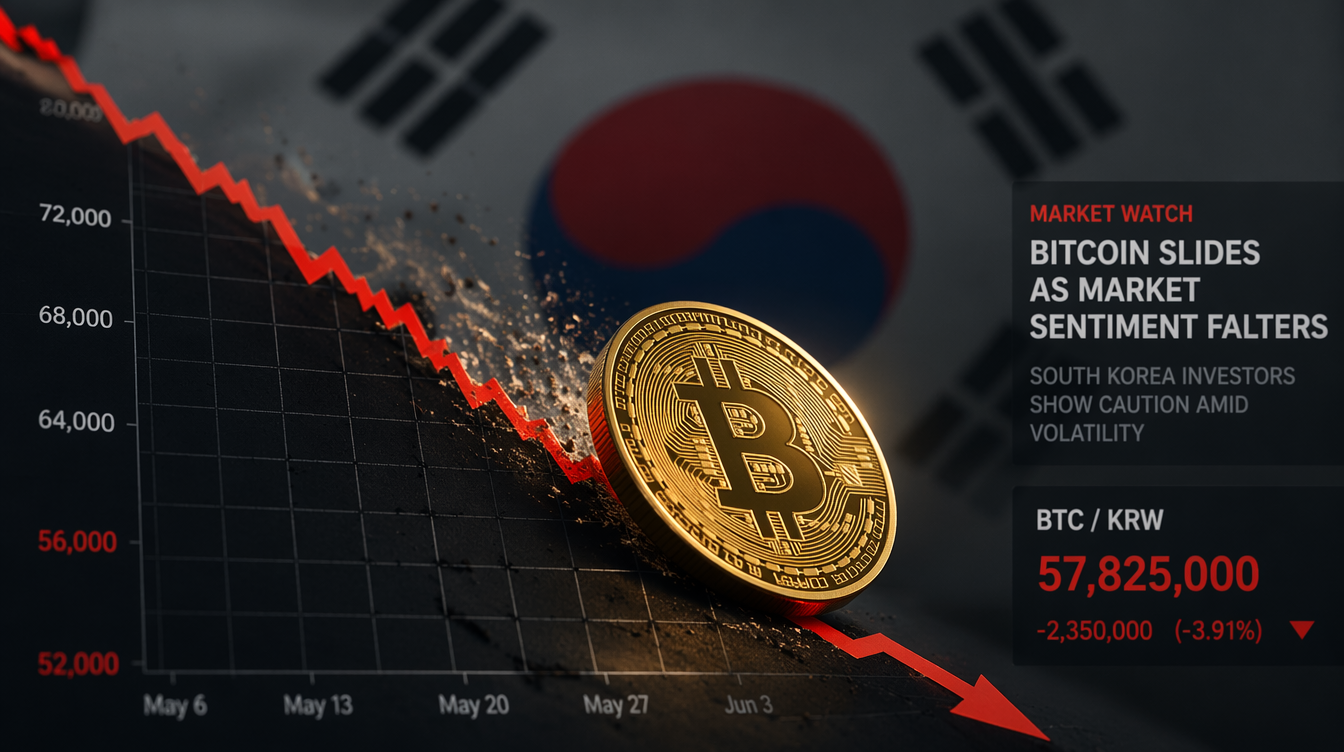
The Korean won strengthened to around 1,480 per dollar following the decision, extending gains from approximately 1,560 two weeks earlier. Bitcoin showed little movement against the currency, with BTC/KRW holding above KRW 94.96 million on Upbit.
South Korea remains one of the world’s most active crypto markets, supported by a large retail trading base known for high speculative activity.
ZachXBT Criticizes Current Hardware Wallet Solutions
Crypto investigator ZachXBT questioned the reliability of existing hardware wallets, arguing that they are not suitable for securing large crypto holdings or handling high-value transactions.
He claimed current devices fail to provide sufficient security and usability, and suggested that a dedicated smartphone used solely as a signing device could offer better control.
ZachXBT singled out Ledger for criticism, citing frequent Ledger Live updates that redesign interfaces and applications while sometimes disrupting core features.
The comments sparked debate throughout the crypto community, with users discussing their own experiences with hardware wallet security and usability challenges.