Bitcoin and the S&P 500 have historically delivered positive returns in the year following U.S. midterm elections, raising expectations that both markets could advance after the November 3 vote. However, Bitcoin’s past rallies may be linked more closely to its four-year halving cycle than to election outcomes.
Since Bitcoin’s launch in 2009, the cryptocurrency has experienced four U.S. midterm elections. Excluding the 2010 election, when the digital asset market was still in its infancy, Bitcoin posted an average gain of 53.7% over the 12 months following the other three elections, according to CoinDesk’s analysis.
The figures compare Bitcoin’s daily closing price at 00:00 UTC on Election Day with its closing price on the corresponding date one year later.
Bitcoin recorded a remarkable 1,579% increase in the year following the 2010 midterms. However, the market was extremely small at the time, making that return less meaningful as a comparison with today’s cryptocurrency market.
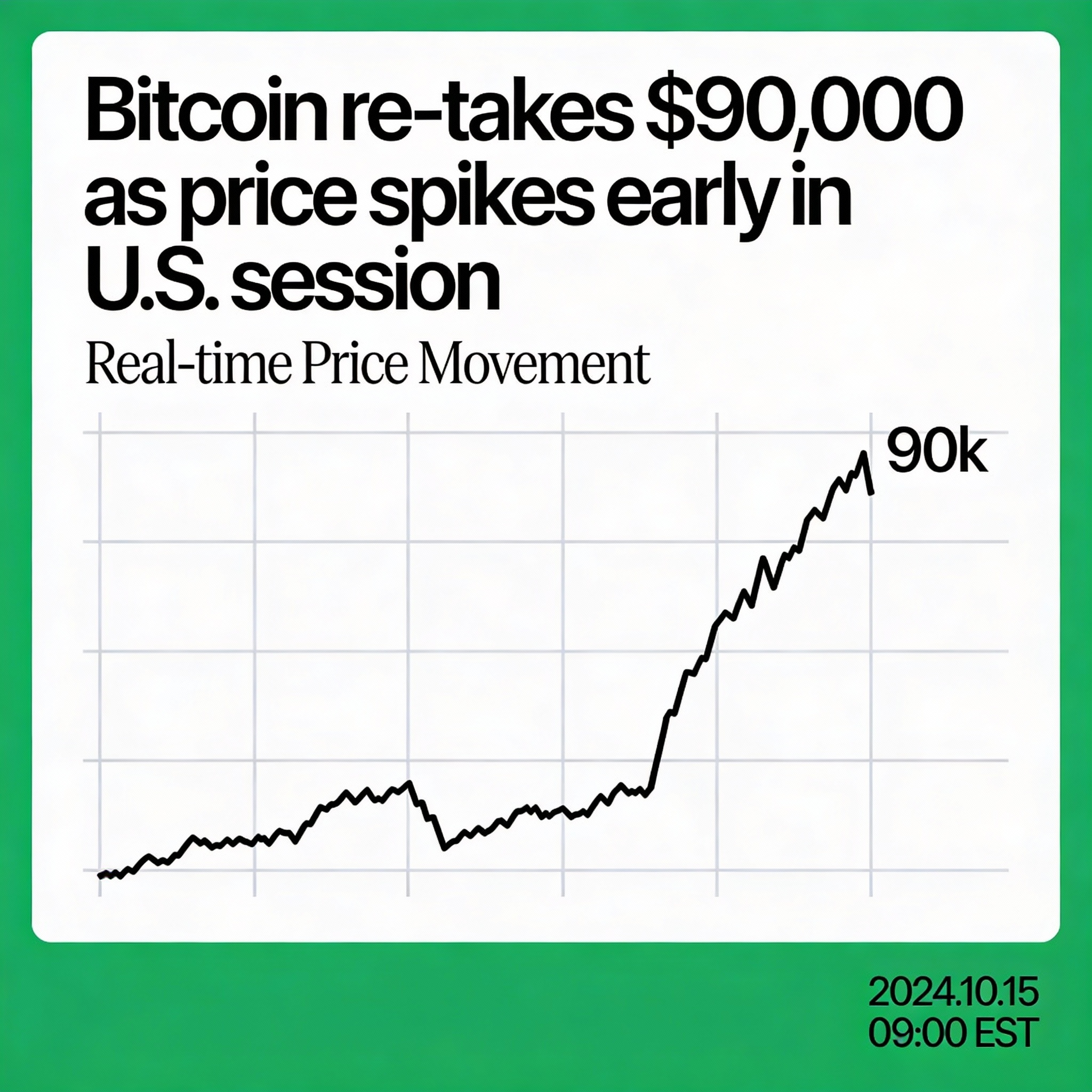
If the historical trend holds, Bitcoin’s recent movement around $80,000 could be followed by another advance after the November elections. BTC has already climbed more than 35% since dropping below $60,000 in June. Some analysts believe the market may be entering a fresh bullish phase, potentially offering investors an opportunity to build long-term positions.
Bitcoin’s halving cycle may be behind its recovery pattern
Despite the apparent relationship between midterm elections and Bitcoin gains, the available data is too limited to establish that elections directly influence its price. The cryptocurrency’s four-year market cycle may provide a more plausible explanation for previous post-election rallies.
Bitcoin’s cycle is closely tied to its mining reward halving, a feature built into its protocol that cuts the amount of new BTC awarded to miners for each block by 50% approximately every four years.
Following each of Bitcoin’s four completed halvings, the cryptocurrency experienced a significant rally, reached a peak around 12 to 18 months later and then entered a bear market.
These downturns occurred during midterm election years in 2014, 2018 and 2022, as well as the current year, 2026. As a result, earlier post-election recoveries may have reflected the start of new market cycles rather than a direct reaction to U.S. politics.
S&P 500 trends also favor the year after midterms
The S&P 500 has a much longer performance history, and its returns also suggest that the year following midterm elections has generally been favorable for investors.
Hartford Funds data shows that the index has delivered an average return of 15.17% during the 12 months after U.S. midterms since 1950. In comparison, the average return across other years was 7.30%.
This historical pattern indicates that U.S. stocks have tended to perform better during post-election periods. A stronger equity market could provide additional support for Bitcoin and other risk-sensitive investments, although the two markets do not necessarily move in tandem.
How the 2026 elections could affect financial markets
The November 2026 elections could reshape President Donald Trump’s ability to advance his agenda during the final two years of his current term.
If Democrats gain control of one or both chambers of Congress, disagreements over the growing federal debt could become more pronounced. The unresolved debt-limit issue could complicate negotiations, while Trump’s proposal for $350 billion in mandatory defense funding could face obstacles, according to Brookings.
Democratic lawmakers could also use congressional oversight and legislative measures to challenge funding for further military escalation in the Middle East.
Crypto policy may become another point of contention. Democratic committee chairs could investigate potential conflicts of interest involving Trump’s personal cryptocurrency profits and his family’s business activities. Lawmakers have already sent oversight letters concerning the president’s crypto-related interests.
Trump’s memecoin, launched in January 2025, has also attracted criticism following substantial losses among retail investors.
Nevertheless, the Supreme Court’s decision in Trump v. Slaughter left much of the financial regulatory system under presidential control. This could restrict Congress’s ability to block the administration from continuing to promote cryptocurrency adoption.
Markets have largely anticipated a divided federal government, with Democrats expected to regain control of at least one chamber of Congress.
Historical data therefore offers a potentially bullish signal for Bitcoin and the S&P 500 after the midterms. Still, the actual market outcome will depend on political developments, economic conditions and Bitcoin’s own market cycle, rather than historical election patterns alone.