The U.S. AI infrastructure sector is facing renewed pressure as Democrats’ victory in both chambers of Congress raises the possibility of tougher regulations on data center construction. Against this backdrop, Elon Musk and investor Chamath Palihapitiya have turned their attention toward the growing space economy as a potential alternative for future infrastructure investments.
Concerns intensified following Democrat Gina Hinojosa’s projected victory in Texas, CNBC reported. Hinojosa has advocated a temporary suspension of AI data center construction, a position that could affect a major growth market. Texas accounts for approximately 27% of planned data center power capacity across the United States, according to Wells Fargo estimates.
The political uncertainty weighed on AI infrastructure stocks ahead of Wednesday’s opening bell. CoreWeave shares declined around 3.3%, Applied Digital slipped 3%, and IREN lost approximately 4.3%.
Several major companies in the sector have already suffered significant corrections. CoreWeave (CRWV), Cipher Digital (CIFR), IREN (IREN) and Nebius (NBIS) are trading roughly 50% to 60% below their respective peaks. Mounting concerns about aggressive spending, increasing debt and uncertain investment returns have contributed to the declines.
Meanwhile, the broader market began recovering from its earlier weakness. Invesco QQQ technology futures rose 0.3% in premarket trading, while Bitcoin reclaimed the $78,000 level, advancing more than 1% over the previous 24 hours.
Musk and Palihapitiya Highlight Space-Based Data Center Opportunities
With the regulatory outlook for U.S. AI infrastructure becoming less certain, Elon Musk and Chamath Palihapitiya have highlighted the potential of space-related investments through posts and discussions on X.
The prospect of stricter rules governing data center construction could challenge an industry that expanded rapidly under Republican policies favoring deregulation and economic growth.
Both Musk and Palihapitiya have previously expressed support for Republicans and President Donald Trump.
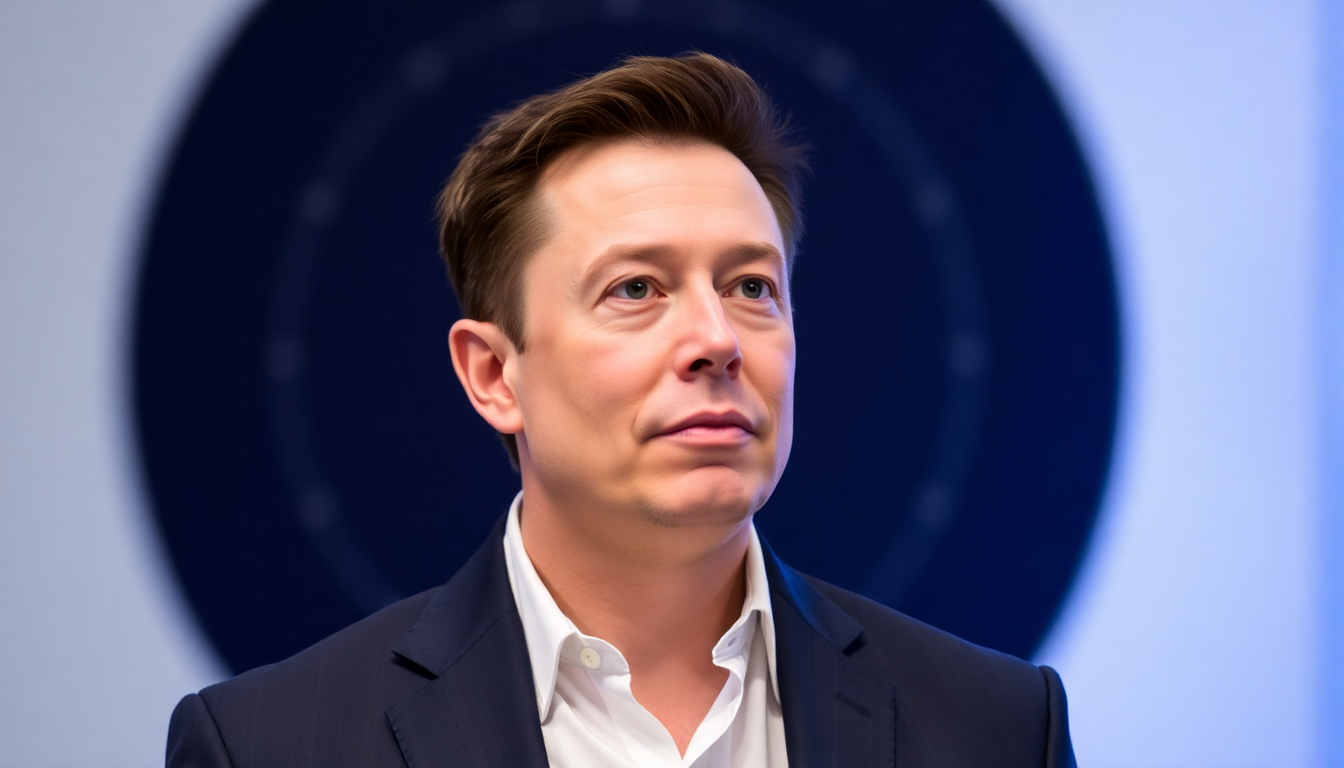
Reacting to the election results, Musk suggested that establishing data centers in orbit could become an increasingly attractive option.
“Data centers in space looking pretty appealing right now,” Musk wrote on X.
Palihapitiya’s latest research presented a broader investment case for the space sector. His figures show that private investment in space hardware climbed to approximately $17 billion in 2025, compared with just $500 million in 2012.
Despite the growing interest in space infrastructure, SpaceX (SPCX) also experienced market weakness. The company, which completed its IPO in June, saw its shares fall approximately 4% in Wednesday’s premarket session.