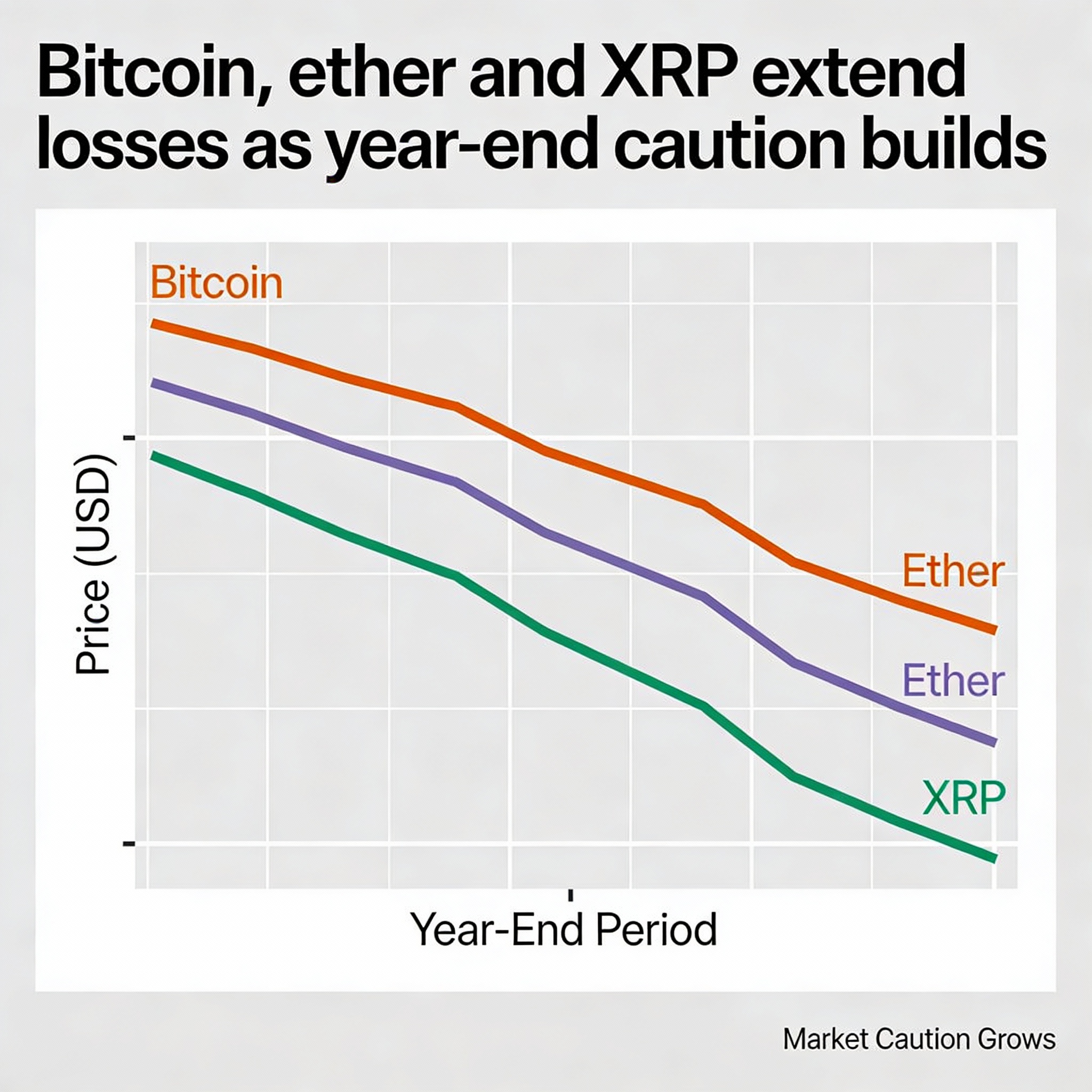
Bitcoin is attempting to climb back toward $64,000 as derivatives metrics hint at the possibility of a short squeeze, after the cryptocurrency dipped to nearly $63,000 in the wake of U.S. and Israeli strikes on Iran.
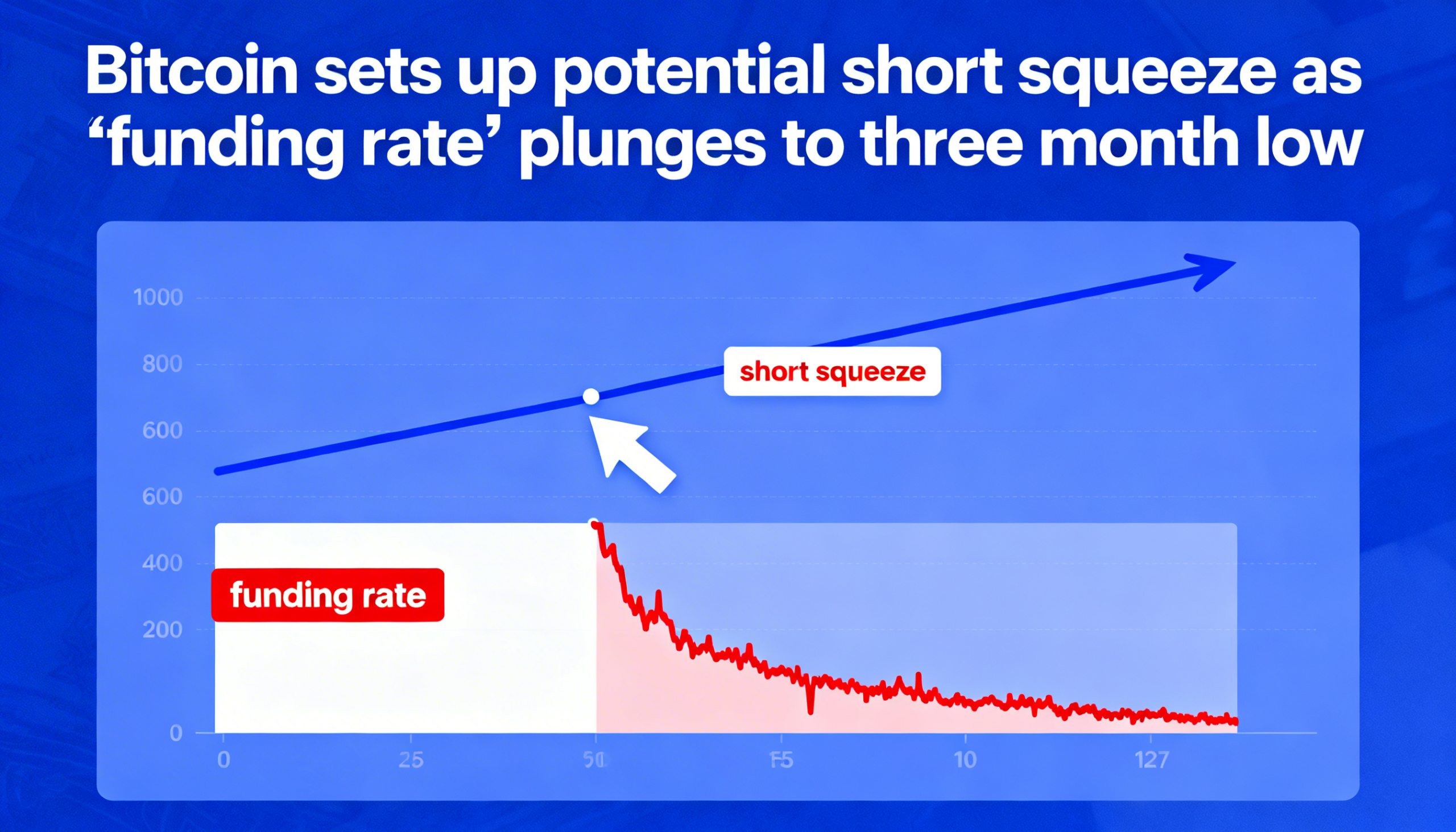
Data from CoinGlass show perpetual futures funding rates sliding to around -6%, the second-most negative reading in the past three months. The last comparable drop occurred on Feb. 6, when bitcoin established a local bottom near $60,000.
Funding rates are periodic payments exchanged between traders in perpetual futures markets. When the rate is positive, long-position holders pay shorts. When it turns negative, short sellers compensate longs. A deeply negative reading typically signals that traders are aggressively positioned for downside, paying a premium to maintain bearish bets.
At the same time, coin-margined open interest increased from 668,000 BTC to 687,000 BTC over the past 24 hours. Measuring open interest in BTC terms removes distortions caused by price fluctuations. Rising open interest alongside sharply negative funding suggests expanding participation, with positioning skewed toward further declines.
Liquidations have also accelerated. More than $500 million in crypto positions were wiped out over the last day, according to CoinGlass data. Long positions accounted for over $420 million of that total, underscoring the scale of forced selling as prices moved lower.
The combination of negative funding, growing open interest and heavy long liquidations points to crowded bearish positioning and elevated derivatives activity — conditions that can intensify volatility and potentially set the stage for a squeeze higher if momentum shifts