Risk Assets Bounce Back as Oil Surge Hits Fed Rate-Cut Bets
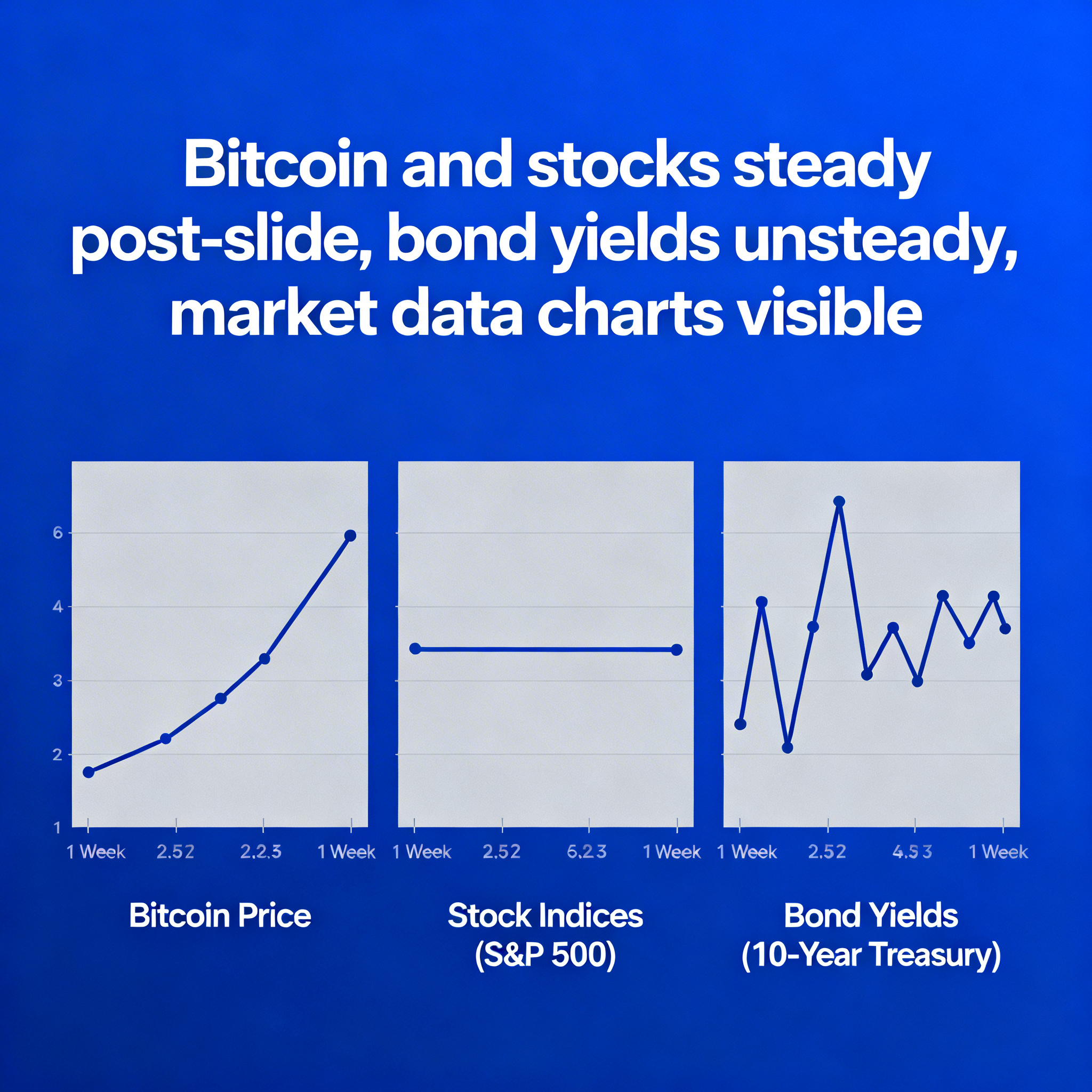
Bitcoin (BTC $67,928.90) and global equities stabilized after an early-week selloff triggered by a spike in oil prices amid military tensions involving the U.S., Israel, and Iran. Bond markets, however, remain wary, with rising yields signaling inflation concerns and reducing expectations for Federal Reserve rate cuts.
BTC traded above $70,000 on Friday, up nearly 10% for the week, briefly reaching $74,000 midweek after dipping to around $65,000 over the weekend. Equity futures mirrored the rebound, with S&P 500 contracts recovering from a multi-week low of 6,718 points on Tuesday to roughly 6,840 points.
The initial risk-off move followed reports that Iran blocked tankers transiting the Strait of Hormuz, a critical global oil chokepoint. Markets steadied after the U.S. offered naval escorts and political risk insurance for shipping.
Bond Yields Rise, Fed Rate-Cut Bets Fade
The 10-year U.S. Treasury yield climbed from 3.93% to 4.15% over four days, while the two-year yield jumped from 3.37% to nearly 3.60%, reflecting tighter monetary policy expectations. CME Fed funds futures now price less than a 50% chance of two 25-basis-point rate cuts this year, down from nearly 80% pre-conflict.
“The rates market shows the tension between a resilient economy and an energy-driven inflation shock,” said Bryan Tan, trader at Wintermute. “The Warsh nomination adds another layer of hawkish uncertainty.”
Analysts warn that oil-driven inflation typically unfolds gradually. Jack Prandelli noted, “After geopolitical shocks, oil often climbs 20–30% within ~60 days, with the real impact showing in supply flows and inventories.”
Strong U.S. economic data has also contributed to rising yields. The ISM services index hit 56.1 in February, and ADP private payrolls rose 63,000, the highest since July 2025. Investors now await Friday’s nonfarm payrolls and wage data, which could further influence Fed expectations and market volatility.