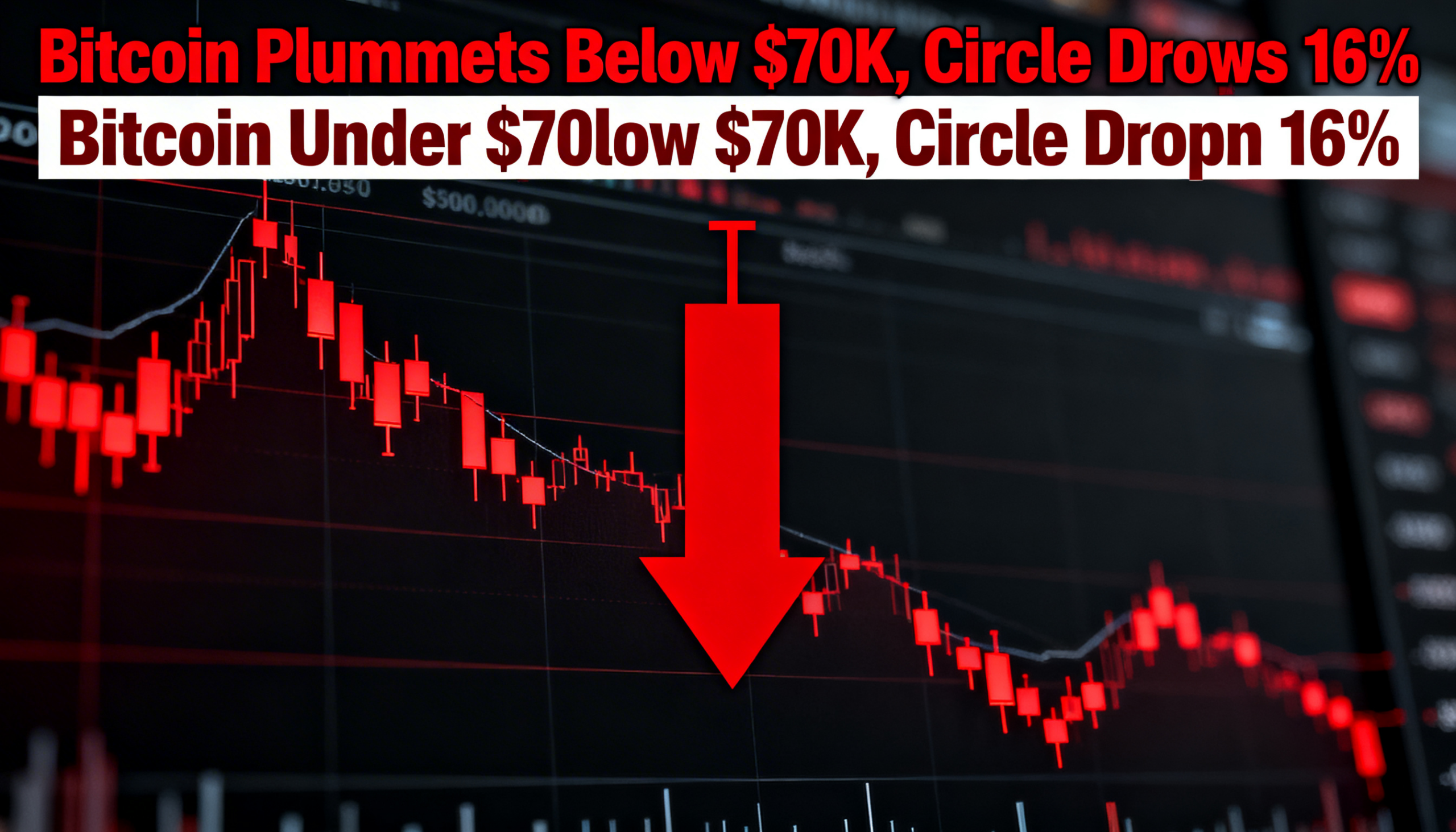
Bitcoin edged lower on Tuesday as weakness in equities and a rapid shift in interest rate expectations weighed on broader risk sentiment.
After briefly approaching $71,000 earlier in the session, bitcoin (BTC) slipped back toward $69,000, trading around $69,600 in early U.S. hours. The broader crypto market followed, with ether (ETH), solana (SOL) and XRP each declining between 2% and 3% over the past 24 hours.
The move continues a recent short-term trend, with bitcoin typically posting modest gains on Mondays before giving some of those back on Tuesdays, according to Velo data.
Equity markets also turned lower, led by losses in the technology sector. The iShares Expanded Tech-Software Sector ETF (IGV) dropped about 4%, extending a decline that has closely mirrored crypto’s trajectory since October. Digital assets and software stocks have increasingly moved in tandem, and Tuesday’s pullback reinforced that correlation.
Major indexes were also under pressure. The S&P 500 and Nasdaq fell 0.5% and 0.8%, respectively, erasing much of Monday’s gains linked to developments around U.S.-Iran tensions. Meanwhile, macro conditions pointed to a more cautious backdrop, with global bond yields continuing to rise, the U.S. dollar index holding above 99, and oil prices climbing another 2%.
Crypto-related equities experienced sharper losses. Circle (CRCL), issuer of the USDC stablecoin, dropped 16% following a strong rally that had seen shares more than double over the past month. Coinbase (COIN) declined 8%. The sell-off followed reports that the latest version of the Clarity Act may restrict rewards on stablecoin balances, potentially limiting yield opportunities. Analysts say this could weaken a key part of the bullish case for USDC by making it harder to evolve beyond a payments-focused product.
At the same time, Tether, the issuer of USDT and a major competitor to Circle, announced it has engaged a Big Four accounting firm to conduct a full audit of its reserves, a move aimed at improving transparency and investor confidence.
Underlying the broader market pressure is a sharp reversal in interest rate expectations. In a matter of weeks, markets have shifted from anticipating multiple rate cuts in 2026 to pricing in the possibility of rate hikes.
CME FedWatch data now shows no expectation of rate cuts at the Federal Reserve’s April or June meetings, with roughly a 15% chance of a rate increase instead. The June meeting is expected to be led by Kevin Warsh, President Donald Trump’s nominee to succeed Jerome Powell as Fed chair, signaling a potential shift in monetary policy direction.