Crypto and equity markets pulled back Wednesday after President Donald Trump’s national address undercut expectations of a near-term de-escalation in the Iran conflict. Oil prices surged in response, climbing more than 5% to trade above $106 per barrel.
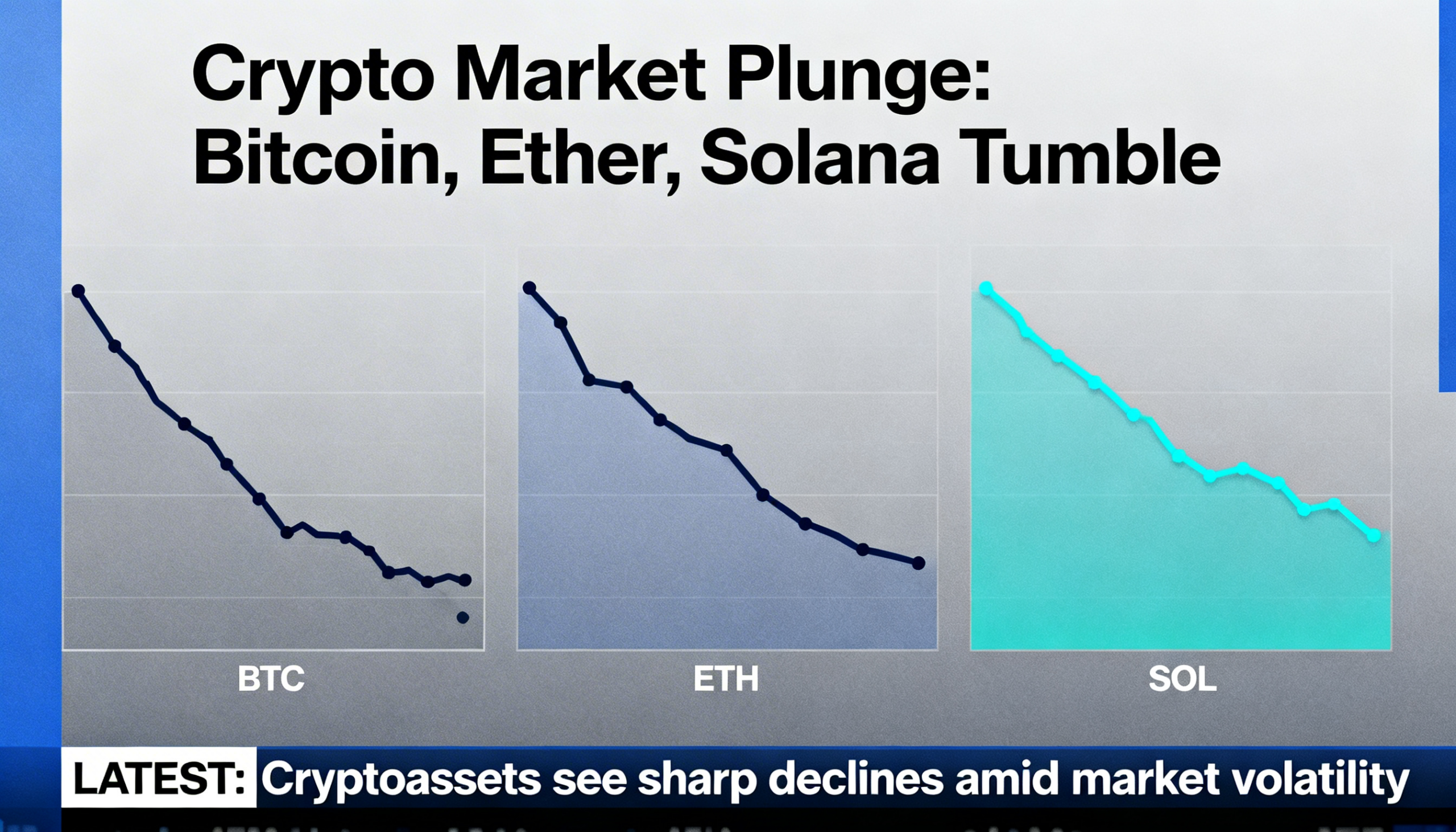
Bitcoin slipped 2.2% to $66,609, erasing the prior day’s gains as Trump warned the U.S. would strike Iran “extremely hard” over the coming two to three weeks. The tone contrasted with earlier remarks that had fueled optimism about a potential end to hostilities.
Losses were broad across major tokens. Ether fell 2.2% to $2,056, BNB dropped 3.9% to $591, XRP declined 2.5% to $1.31, while Solana led the downturn with a 5.2% slide, extending its weekly losses to 13%.
The move reversed a strong rally on Tuesday, when risk assets surged on hopes the conflict could soon wind down. Asian equities had gained as much as 4%, and S&P 500 futures moved higher, marking the most constructive sentiment since the conflict began five weeks ago.
That optimism faded quickly following Trump’s nearly 20-minute speech, which offered no clear policy shift, operational roadmap, or indication of a ceasefire. His comments on the Strait of Hormuz—saying it would reopen “naturally” once tensions ease—provided little clarity without a defined timeline.
Markets reacted swiftly. Brent crude rose above $106, Asian stocks fell 2.1%, and U.S. and European equity futures declined more than 1.2%. The dollar strengthened, while Treasuries weakened amid renewed inflation concerns.
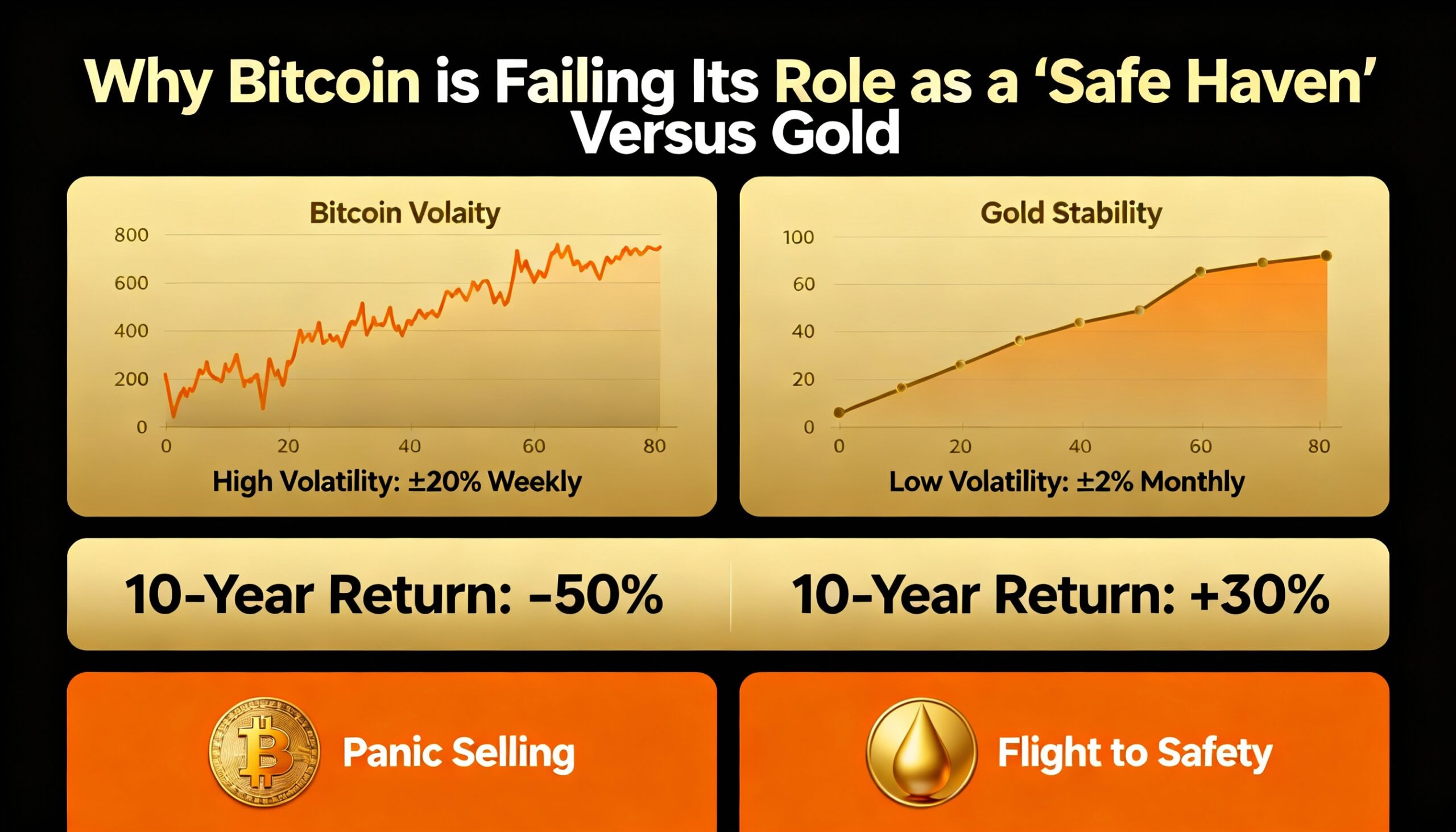
In crypto, the broader trend remains rangebound. Bitcoin has spent the past five weeks oscillating between roughly $60,000 and $73,000, reacting sharply to geopolitical headlines but failing to establish a sustained direction.
Sentiment remains fragile. The Fear and Greed Index is stuck in “extreme fear,” hovering between 8 and 14 over the past month.
There are still pockets of support. April has historically been one of bitcoin’s strongest months, with gains in 10 of the past 15 years and an average return of around 20%. The asset also recently rebounded from key support near $60,000 and is attempting to reclaim its 50-day moving average.
Even so, seasonal trends are being overshadowed by geopolitical uncertainty. The recurring pattern—rallies on optimism followed by reversals on escalation—suggests volatility will persist until there is meaningful progress toward ending the conflict.