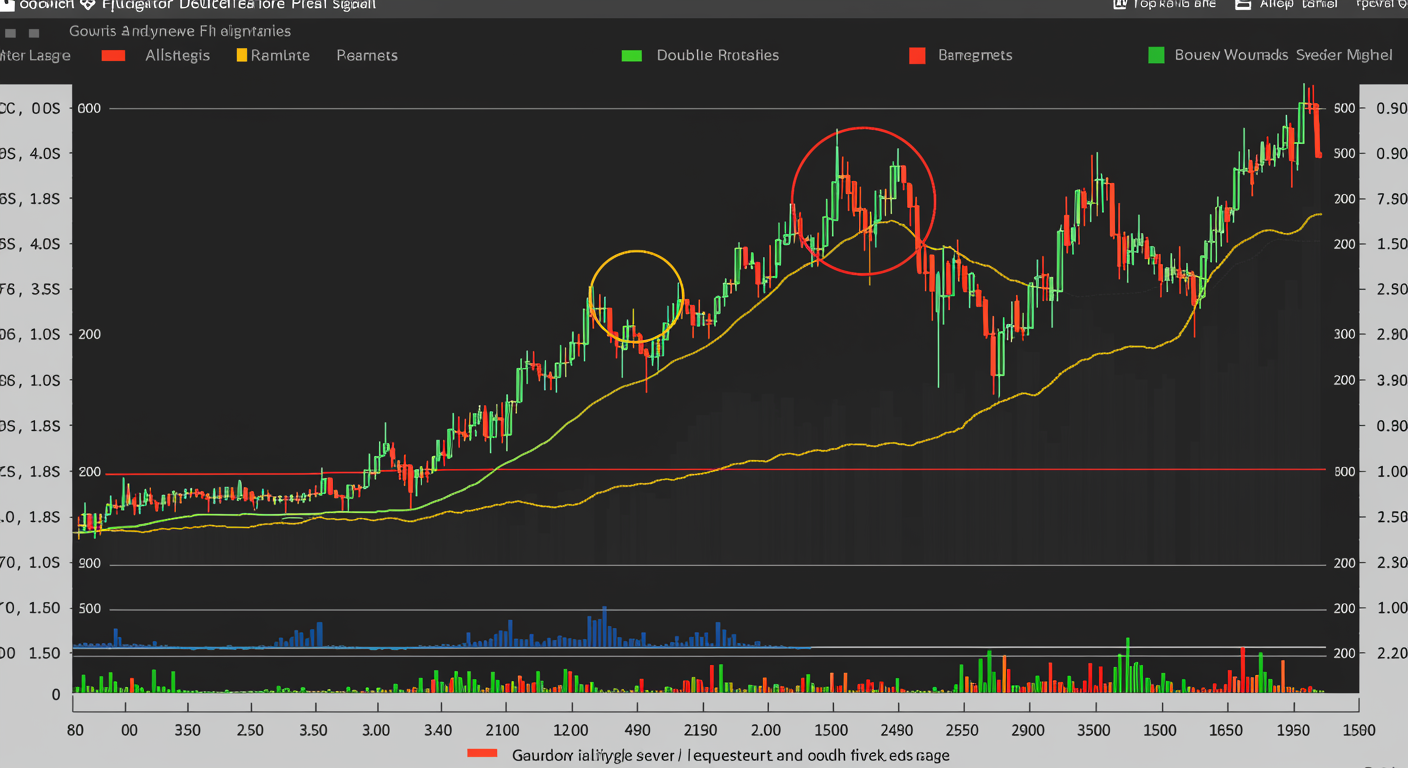
Bitcoin is showing a familiar and potentially troubling pattern, with recent price action closely mirroring the structure seen between November and January—a period that ultimately led to a sharp decline.
Since early February, bitcoin has been moving within a narrow, upward-sloping range, a setup often described by technical analysts as a counter-trend bounce—a temporary recovery that occurs within a broader downtrend rather than signaling a true reversal.
A look back at the November–January phase reveals a similar formation. After dropping from $100,000, bitcoin traded sideways with a slight upward bias, giving the impression of stabilization. However, the move lacked strong momentum and eventually broke down, with price slipping below support and plunging from roughly $90,000 to near $60,000 by early February.
The current structure echoes that earlier setup. Following its February lows, bitcoin has again formed a tight channel with a gradual upward slope. The rally has been slow and uneven, lacking the kind of strength typically associated with a sustained bullish reversal.
From a technical perspective, this type of price behavior can signal weakening buying pressure. Rather than a decisive recovery, the market appears to be drifting higher, suggesting that sellers may still have the upper hand.
Although chart patterns are not definitive, they offer insight into market sentiment. In this case, the data suggests that dip buyers are not showing strong conviction, raising the risk of another downside move.
A key level to watch is the lower boundary of the current channel, near $65,800. A break below this level could indicate that bearish momentum is returning and potentially trigger further losses.
Conversely, a move above the upper trendline would weaken the bearish case, signaling that the downtrend may be losing strength and giving bulls a chance to reassert control.
For now, bitcoin remains at a pivotal juncture, with its next breakout or breakdown likely to shape the near-term trend.