Professional investors slightly reduced exposure during bitcoin’s latest downturn, but the broader institutional response has remained measured, according to crypto asset manager CoinShares.
In a report released Tuesday, the firm said the first stage of Bitcoin’s recent drawdown has not sparked widespread panic among institutional participants. While some professional allocators adjusted their positions, most maintained a significant portion of their holdings, suggesting confidence in the asset’s longer-term outlook.
Advisors modestly trimmed their allocations, while hedge funds pulled back more noticeably as leveraged positions across the market were unwound and investors explored opportunities in other asset classes. Even so, overall institutional exposure remained relatively stable compared with levels seen last year.
At the same time, longer-term investors continued to quietly accumulate bitcoin. Endowments, pension funds and sovereign investors have been steadily building positions, according to analyst Matt Kimmell, who noted that these groups tend to maintain a longer investment horizon than more active market participants.
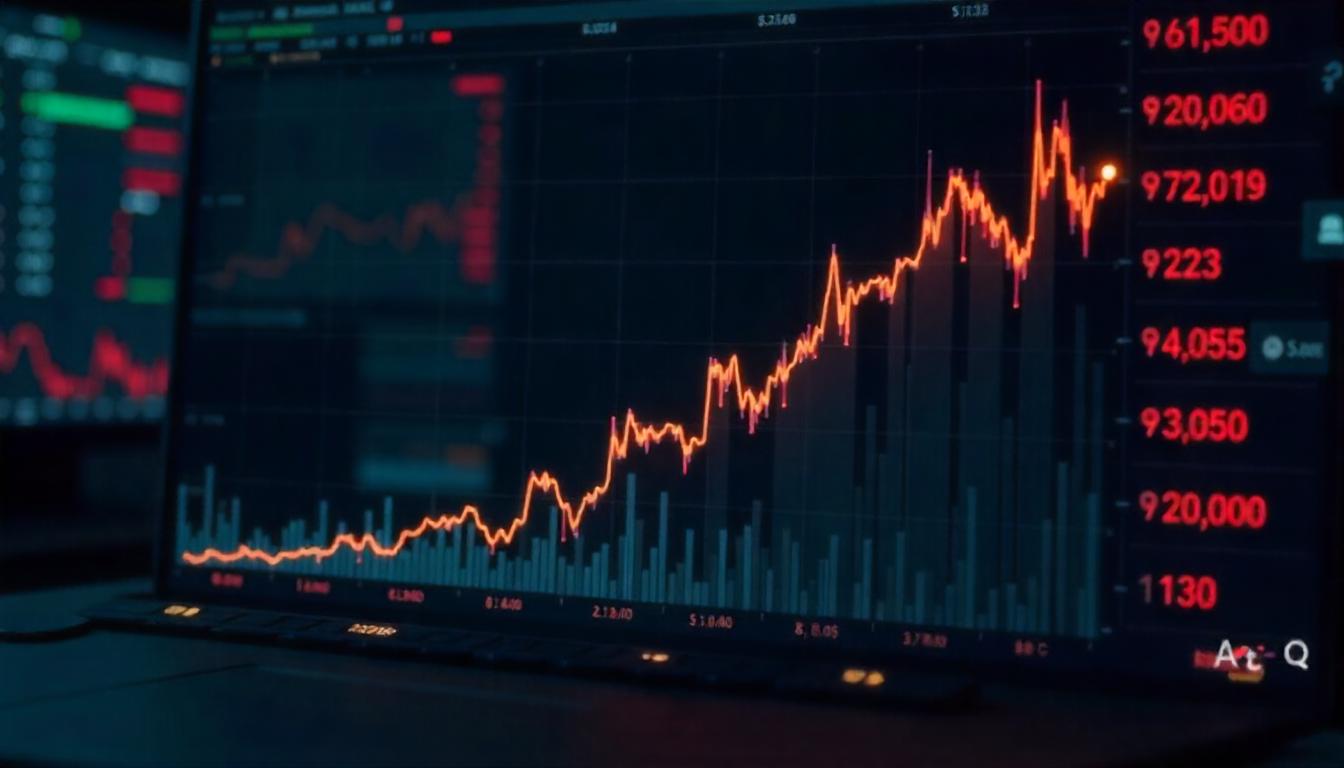
Bitcoin has struggled to regain strong upward momentum since reaching a record high near $125,000 in early October. The world’s largest cryptocurrency was trading around $72,000 at the time of writing, still well below its peak but significantly above the recent lows seen during the correction.
Several factors have contributed to the subdued performance in crypto markets over recent months. Higher interest rates and a stronger U.S. dollar have reduced appetite for risk assets, while earlier leveraged positions have been unwound. At the same time, profit-taking by long-term bitcoin holders and uneven inflows into spot exchange-traded funds have limited the market’s ability to stage a sustained rally.
Despite bitcoin declining roughly 23% during the downturn, global flows into spot bitcoin ETFs have remained positive. According to Kimmell, this indicates that the sell-off was driven more by existing holders locking in profits than by institutional investors withdrawing capital from the market.
Historically, downturns in the crypto sector tend to shift supply from short-term traders to long-term holders. The arrival of spot ETFs now offers analysts a clearer way to observe whether institutional capital follows a similar pattern.
So far, the data appears to support that trend. Even with a quarterly drawdown of about 25%, the report found little evidence of widespread institutional capitulation. Much of the decline in assets under management reflected falling prices rather than significant investor outflows.
CoinShares cautioned, however, that the dataset remains limited. Upcoming regulatory filings could provide deeper insight into institutional behavior during sharper market moves, including bitcoin’s recent slide toward $60,000 and a single-day drop of about 17%.
In recent days, bitcoin and the broader crypto market have started to recover, rebounding after several weeks of volatile trading. Analysts attribute the bounce to improving risk sentiment across global markets, steady demand for bitcoin ETFs and short covering following the recent sell-off, which helped push prices higher and lifted major altcoins alongside bitcoin.