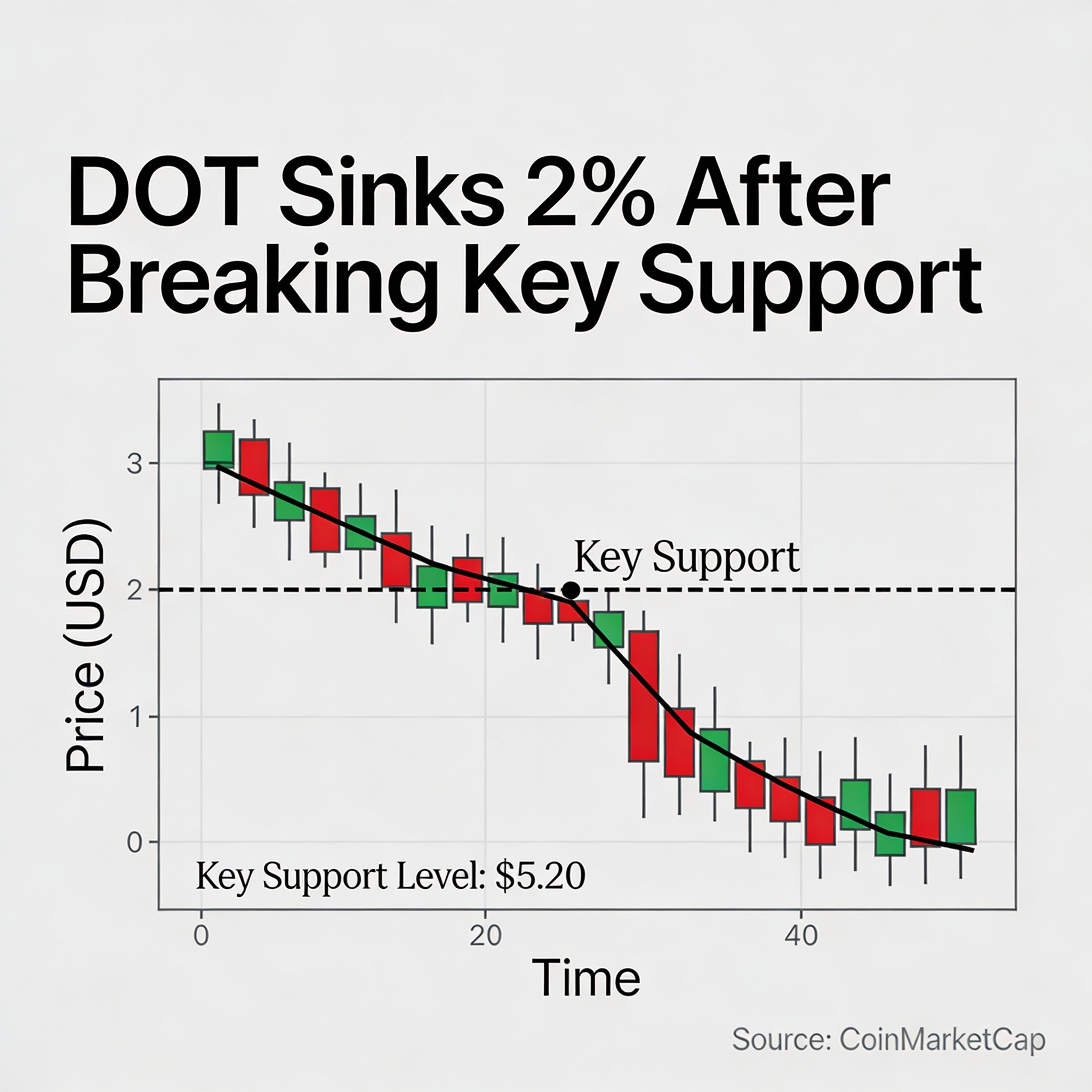
Digital asset treasuries, altcoin ETFs, and bitcoin’s historically strong year-end seasonality were expected to supercharge prices in 2025. Instead, the crypto market has suffered its worst drawdown since the 2022 crypto winter.
Heading into Q4, bitcoin rode a wave of optimism: strong ETF inflows, digital asset treasuries (DATs) promising leveraged bets on the next rally, and analysts highlighting the final three months of the year as historically the strongest for crypto. Add expectations of looser U.S. monetary policy and a friendlier political backdrop, and many investors were forecasting fresh record highs.
Reality diverged sharply. A $19 billion liquidation cascade in October drained liquidity, spot altcoin ETFs failed to absorb selling pressure, and many treasury-heavy crypto stocks shifted from buyers to potential forced sellers. Bitcoin is down 23% since early October, lagging equities and precious metals.
DATs: from flywheel to tailspin
The frenzy around digital asset treasuries, modeled after Michael Saylor’s MSTR strategy, initially created excitement. But after a brief spring rally, enthusiasm waned. When crypto prices fell in October, DATs accelerated selling. Share prices dropped below net asset value, limiting their ability to raise funds. Some treasuries, instead of buying crypto, began using dollars to repurchase shares. High-profile examples include KindlyMD (NAKA), whose bitcoin holdings now exceed twice its enterprise value. Analysts warn other DATs could follow, potentially dumping assets into an already fragile market.
Spot altcoin ETFs fail to deliver
The debut of U.S. spot altcoin ETFs brought initial inflows — Solana ETFs gathered $900 million and XRP vehicles surpassed $1 billion in just over a month. Yet token prices fell sharply: SOL down 35% and XRP nearly 20%. ETFs for smaller altcoins like Hedera (HBAR), DOGE, and LTC saw negligible demand amid declining risk appetite.
Year-end bitcoin seasonality disappoints
Historically, bitcoin’s fourth quarter has been its strongest. Since 2013, the average Q4 return was 77%, with positive returns in eight of the past twelve years. Exceptions — 2014, 2018, 2019, and 2022 — were deep bear markets. 2025 is now joining that list, with BTC down 23% since October, marking its worst last-quarter performance in seven years if current levels hold.
The October 10 liquidation cascade sent BTC from $122,500 to $107,000 in hours, with altcoins seeing larger declines. The episode highlighted that despite ETFs and institutionalization, crypto remains highly speculative. Liquidity has yet to recover, and investor confidence has waned. Open interest has fallen from $30 billion to $28 billion, suggesting recent price gains reflect short-covering rather than new buying.
Bitcoin and broader crypto have underperformed equities and gold since the October sell-off: the Nasdaq is up 5.6%, gold 6.2%, while BTC is down 21%. This underscores that 2025 catalysts fell short and 2026 lacks compelling drivers.
Early-year optimism around regulatory clarity, spot ETF inflows, and potential U.S. bitcoin strategies has faded. Even the Federal Reserve’s September, October, and December rate cuts failed to boost bitcoin, which lost 24% since September.
DAT risks loom large
Many DATs invested heavily at market tops; several now trade below mNAV, raising the risk of forced liquidations into illiquid markets. Strategy (MSTR) CEO Phong Le noted the company could sell BTC if mNAV drops below 1.0, though large-scale purchases continue. CoinShares has called the DAT bubble “already burst” in many ways.
Silver lining for buyers
Historically, sell-offs from treasury-heavy firms can create buying opportunities. Similar patterns were seen in the 2022 bear market following the collapse of Celsius, Three Arrows Capital, and FTX, suggesting cautious investors may find entry points as DATs unwind.