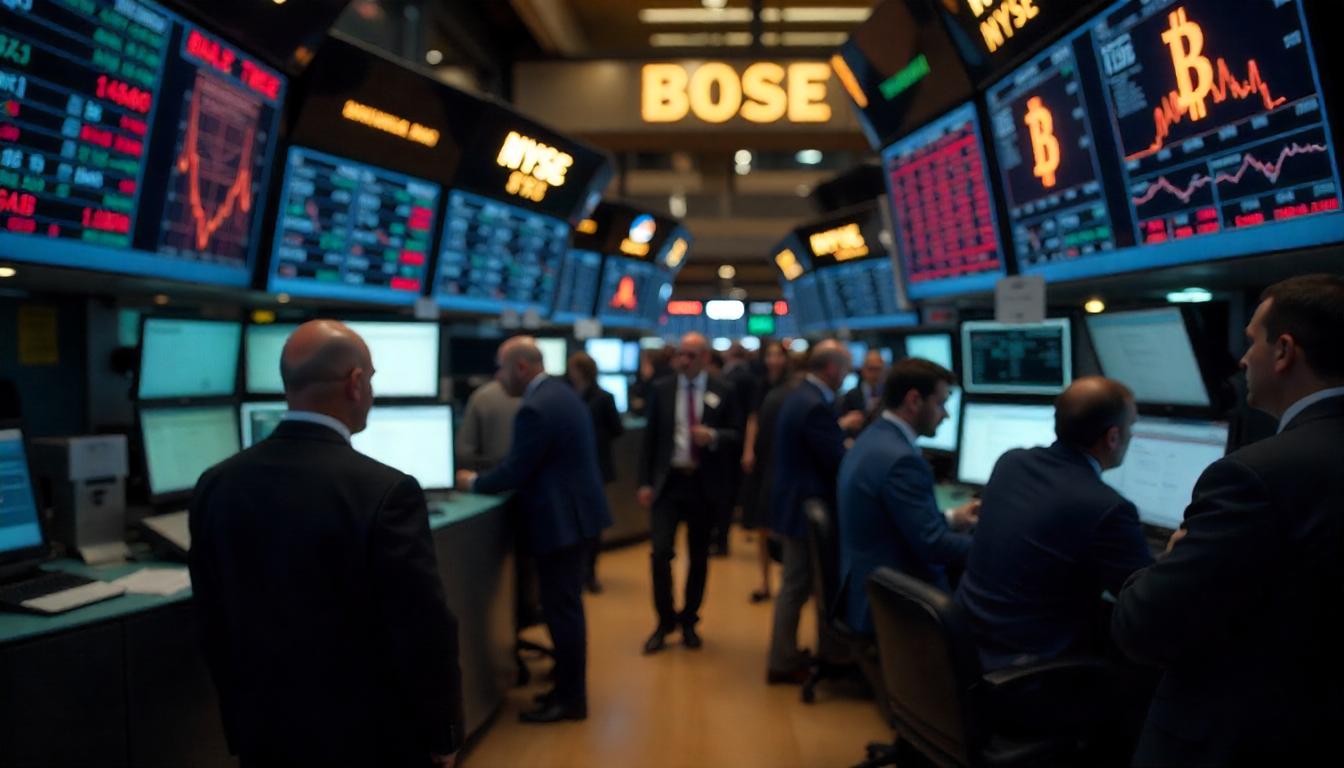
Ripple’s latest survey of more than 1,000 finance leaders worldwide highlights a decisive shift: digital assets are moving from experimentation to essential infrastructure in modern finance.
Institutions across banking, asset management, fintech, and corporate sectors are increasingly integrating digital assets into core functions such as payments, liquidity management, and risk control. The report suggests the industry now views adoption as a competitive requirement rather than a discretionary move.
Around 70% of respondents said financial firms need to provide digital asset solutions to remain competitive, signaling that the transition toward blockchain-based finance is already well underway.
Stablecoins—digital tokens typically pegged to fiat currencies like the U.S. dollar—emerged as the most compelling application. Roughly 74% of participants said stablecoins can improve cash flow efficiency and free up working capital, reinforcing their growing role as treasury tools beyond simple payment use cases.
Fintech firms are at the forefront of adoption, with more already deploying digital assets in treasury and payment operations compared to traditional institutions. About 31% use stablecoins for customer collections, while 29% accept them directly. Many rely on external custodians and infrastructure providers, though 47% are exploring building their own systems.
Banks and asset managers, meanwhile, are increasingly focused on tokenization initiatives. Among those pursuing this path, 89% prioritize secure custody solutions, while banks emphasize token management (82%) and asset managers focus more on distribution (80%).
Security remains a central concern, with 97% of respondents highlighting the importance of certifications such as ISO and SOC 2, along with strong operational support and industry expertise.
The overarching message is clear: digital assets are becoming a strategic necessity, and the decisions institutions make today around infrastructure and partnerships are likely to determine their competitive standing in the future.