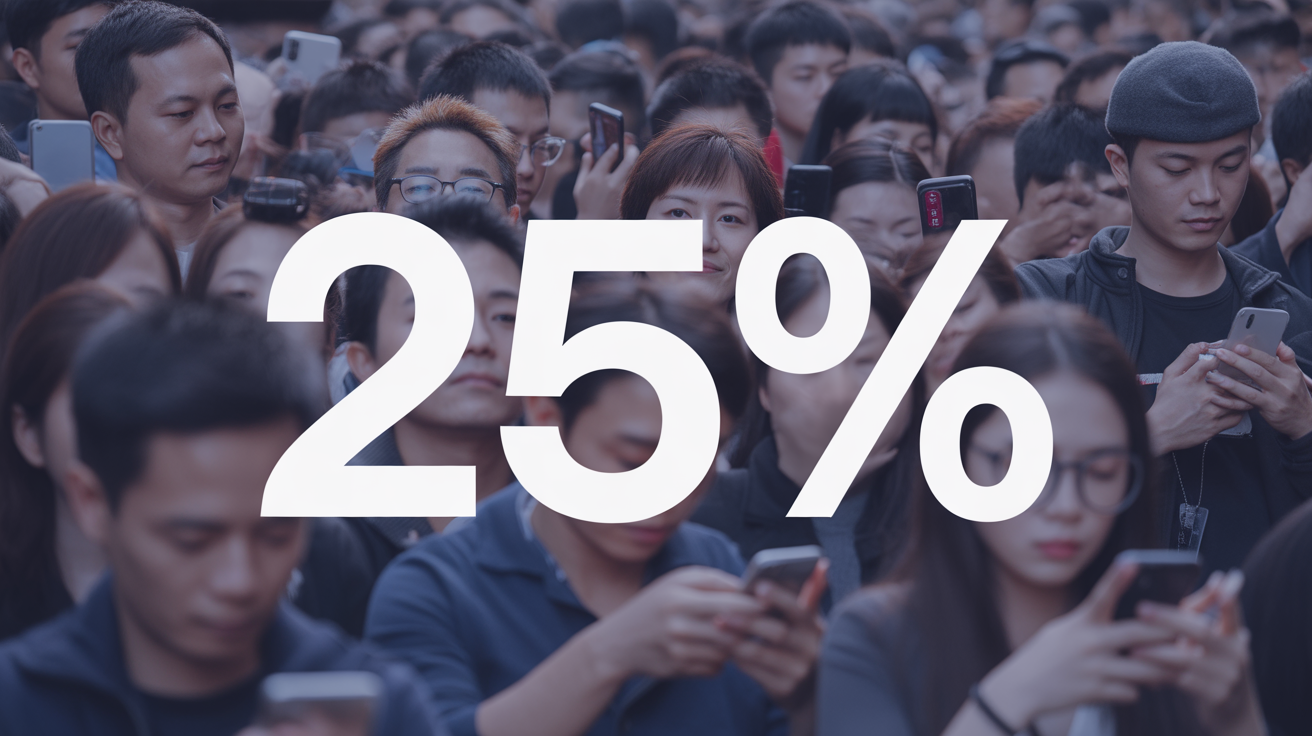
Nearly 25% of APAC Adults With Internet Access Could Own Crypto, Report Finds
A new report by CoinDesk and Protocol Theory suggests that nearly a quarter of adults with internet access in the Asia Pacific region may own cryptocurrency, though adoption is still constrained by usability and accessibility challenges.
The study surveyed 4,020 adults across 10 countries—including India, Thailand, the Philippines, South Korea, Hong Kong, Singapore, China, Australia, Japan, and the UAE—and extrapolated the results to the broader APAC population. Limited access to traditional financial services remains a key driver of crypto adoption, with stablecoins held by about 18% of adults in emerging markets.
The report emphasized that future growth will depend on how easily digital assets can be integrated into daily life. “Participation is increasingly shaped by usability, integration, and inclusion rather than speculation,” it noted. “Stablecoins, remittances, and tokenized assets are forming practical foundations for a cross-border digital economy, supported by enabling regulatory frameworks.”
Survey findings indicate that roughly half of adults familiar with cryptocurrency plan to use it within the next year, despite only modest adoption over the past 12 months. Respondents were aged 18–64 and had prior awareness of crypto.
While traditional financial services such as digital banking, remittances, and bill payments remain relatively simple, the complexity of wallets, exchanges, and token transfers continues to slow adoption.
Regulation is playing an increasingly important role in building trust. Over 70% of adults in emerging markets—including the UAE, India, China, the Philippines, and Thailand—consider regulations important, compared with around 66% in Hong Kong, Australia, and Singapore, and less than 50% in Japan.
“In emerging economies, regulation bridges institutional gaps and signals legitimacy,” the report said. “In mature markets, it primarily functions to manage risk rather than drive adoption.”