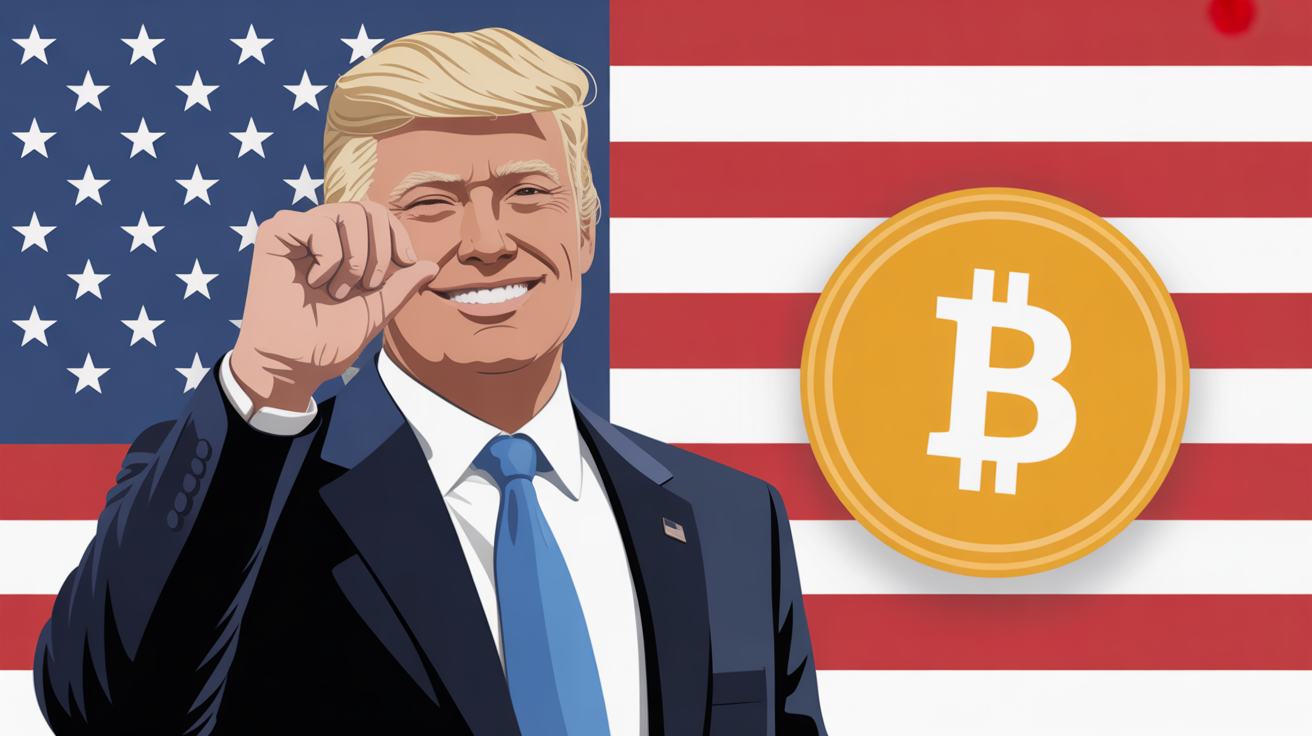
Crypto Markets Edge Higher as Trump Promises ‘At Least’ $2,000 Tariff Dividend
Bitcoin climbs above $105K as investors weigh potential fiscal stimulus and funding uncertainty
Cryptocurrency prices ticked higher on Monday after U.S. President Donald Trump announced plans to distribute a “tariff dividend” of at least $2,000 to most Americans, sparking optimism over potential boosts to consumer liquidity and risk appetite.
In a post on Truth Social, Trump claimed the U.S. has generated “trillions of dollars” from tariffs and said those funds would be used both to reduce the nation’s $37 trillion debt and to finance direct payments.
“A dividend of at least $2,000 a person (not including high-income people!) will be paid to everyone,” Trump said.
The announcement lifted major cryptocurrencies, with Bitcoin (BTC) gaining 1.93% over the past 24 hours to trade above $105,000, according to CoinDesk data. Ether (ETH) rose 4.75% to $3,526, while Solana (SOL) advanced 2.49% to $165. The CoinDesk 20 (CD20) index increased by 1.5%, trimming part of its 15% weekly decline.
Bitcoin remains down 5.7% for the week and ether is off 7.5%, but traders appear to be positioning for a potential rebound amid speculation that any new stimulus could channel fresh liquidity into digital assets.
Congressional Hurdles Loom
Despite the market’s upbeat reaction, economists and policy analysts cautioned that Trump’s proposal faces significant logistical and fiscal challenges. The president cannot unilaterally authorize direct payments, as such spending must be approved by Congress.
“Any allocation of tariff revenue to fund household payments requires legislative approval,” said Andy Constan, CEO and CIO of Damped Spring Advisors, on X.
Additionally, the revenue from new tariffs appears far short of what would be required to fund a nationwide $2,000 payout. Erica York, vice president of Federal Tax Policy at the Tax Foundation, estimated the total cost could approach $300 billion if 150 million adults qualify — or higher if dependents are included.
“The problem is that new tariffs have raised only about $120 billion so far,” York noted.
After factoring in broader economic effects, such as reduced income and payroll tax receipts from tariff-related costs, York estimated that net tariff revenue falls to roughly $90 billion, leaving a sizable funding gap.
Outlook
Trump’s tariff dividend announcement has reenergized a market that had been under pressure for most of the week, hinting at renewed speculative momentum. Still, the proposal’s implementation remains uncertain, dependent on congressional approval and sufficient tariff receipts.
For now, traders appear willing to ride the rebound — but with questions lingering over the feasibility of Trump’s plan, the rally may hinge more on sentiment than on fiscal reality.