Cardano’s plan to secure nearly $3.6 million from its community treasury for the 2027 conference season is encountering strong opposition from ADA holders. Onchain voting results indicate that opponents control more than five times the voting stake backing the proposal. Meanwhile, a separate request for developer tools funding, submitted on the same day, has received little pushback.
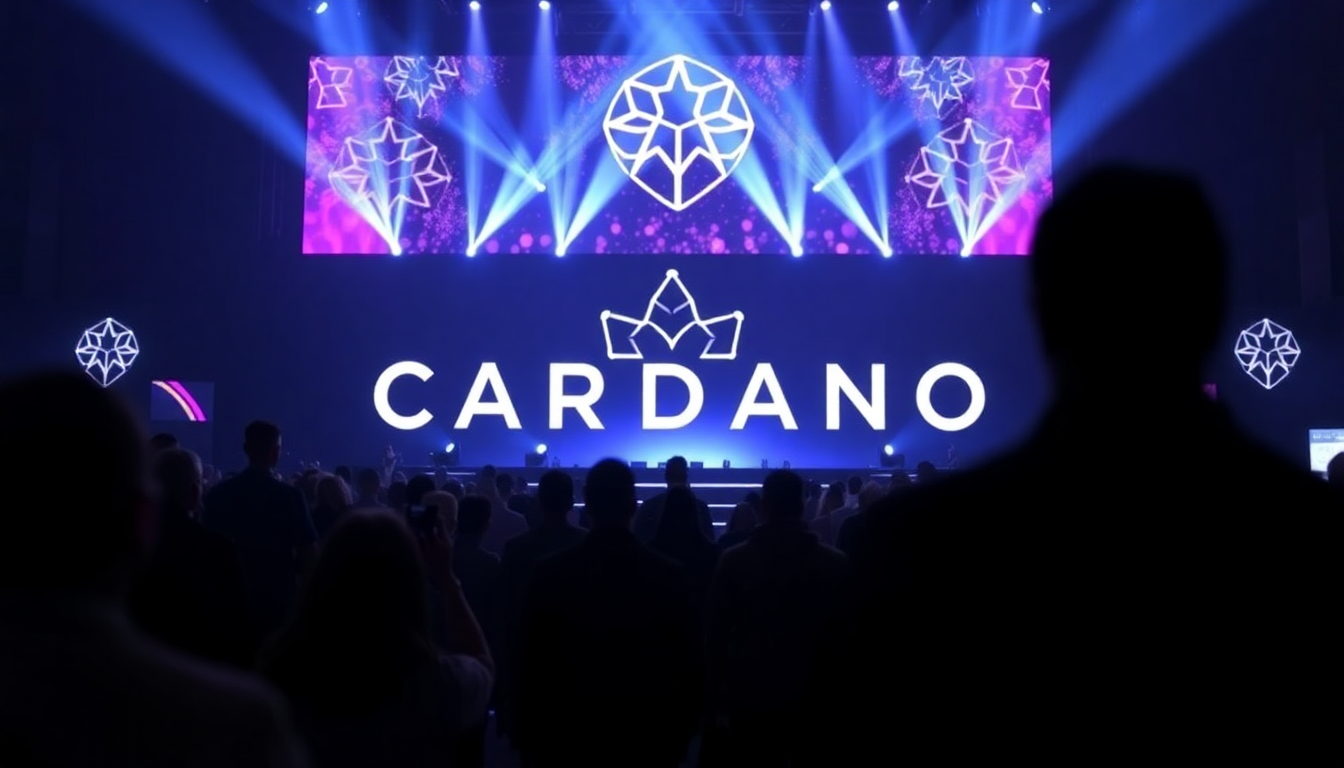
The Cardano Foundation submitted its funding application on Nov. 16, requesting approximately 25 million ADA to support its global events program in 2027. The Switzerland-based organization works to encourage development and broader adoption of the Cardano blockchain.
Voting data recorded as of Monday morning in Asia showed that representatives controlling roughly 741.7 million ADA had rejected the request, compared with 140.8 million ADA voting in favor. The voting period remains active.
Under the proposal, titled “Cardano Global Events 2027,” the Foundation plans to use the funds for sponsorships and exhibition spaces at 12 conferences, smaller networking events, four hackathons and travel assistance for Cardano ecosystem projects. It has stated that the budget excludes staff costs and does not include any profit for the organization.
The proposed spending plan is valued at approximately $5 million, assuming ADA trades at $0.20. The Foundation says it would adjust its activities if the token’s price falls and the available treasury allocation cannot cover the original schedule.
Cardano’s treasury is a shared reserve controlled through its governance system. Spending proposals require community approval, with ADA holders able to transfer their voting authority to delegated representatives, known as DReps.
CoinDesk has approached the Foundation for comment on the voting results, concerns about the measurable impact of previous conferences and the possibility of submitting a revised budget.
Delegates Demand Proof of Results
Much of the opposition is being driven by YUTA, a delegate controlling approximately 482.5 million ADA. Its voting stake represents around 65% of all ADA currently voting against the proposal.
YUTA wants the Foundation to demonstrate how its earlier conference investments benefited the Cardano network. The delegate questioned whether those expenditures generated more transactions, increased network fees, attracted developers who continued working on the blockchain or resulted in meaningful customer relationships and commercial partnerships.
SASA_nagamaru, another delegate voting against the request, also challenged the effectiveness of conference participation. The delegate argued that exchanging contact details, discussing potential collaborations and increasing wallet registrations do not necessarily translate into lasting adoption.
In its voting comments, the delegate called for measurable evidence linking previous event spending to actual network usage and real-world adoption. It also suggested using those findings to determine future funding priorities.
Other representatives believe the Foundation should take greater financial responsibility for its promotional activities.
InputEndorsers argued that attending industry conferences and promoting Cardano are already central responsibilities of the organization. The delegate suggested that the Foundation should pay at least the estimated $2 million sponsorship bill itself or explain why it cannot cover those expenses. It also recommended an independent assessment of the results from previous events.
Funding Structure Raises Additional Concerns
Beyond the overall budget, some delegates have questioned how the money would be distributed and monitored.
BKIND opposed transferring the full annual allocation upfront, arguing that performance assessments and financial checks would happen only after the money had been spent.
DeepStatecraft offered a more flexible position, indicating support for a smaller funding request released in phases. However, the delegate wants spending to remain within an agreed limit and depend on specific performance targets, including evidence that people reached through conferences eventually become active Cardano users.
The objections were published on DRepTalk, a forum where Cardano governance representatives discuss treasury proposals.
The Foundation has defended the initiative by arguing that joint conference participation helps smaller projects gain exposure to industry audiences without bearing the full cost of attending independently.
It also pointed to the results of its previous events program, claiming that it exceeded its targets by reaching more than 1,110 developers and showcasing 79 projects.
However, securing treasury support for major events has previously proved difficult. Cardano Summit 2026 was canceled after its funding request failed to receive enough votes. A separate, smaller proposal supporting the blockchain’s presence at TOKEN2049 Singapore managed to secure approval.
The latest proposal has until Dec. 20 to obtain the necessary community support. If it fails to meet the approval requirements before that deadline, the funding request will expire.