Admiral Samuel Paparo, who leads U.S. Indo-Pacific Command, told Congress this week that the military is running a live Bitcoin node as part of cybersecurity testing, while increasingly viewing the network as a strategic asset in its rivalry with China.
The four-star Navy admiral made the disclosure during a House Armed Services Committee hearing on Wednesday, following similar remarks to the Senate a day earlier, where he described Bitcoin as having “incredible potential” for both national security and U.S. power projection.
Paparo’s testimony marks the first time an active U.S. combatant commander has publicly confirmed direct participation in the Bitcoin network.
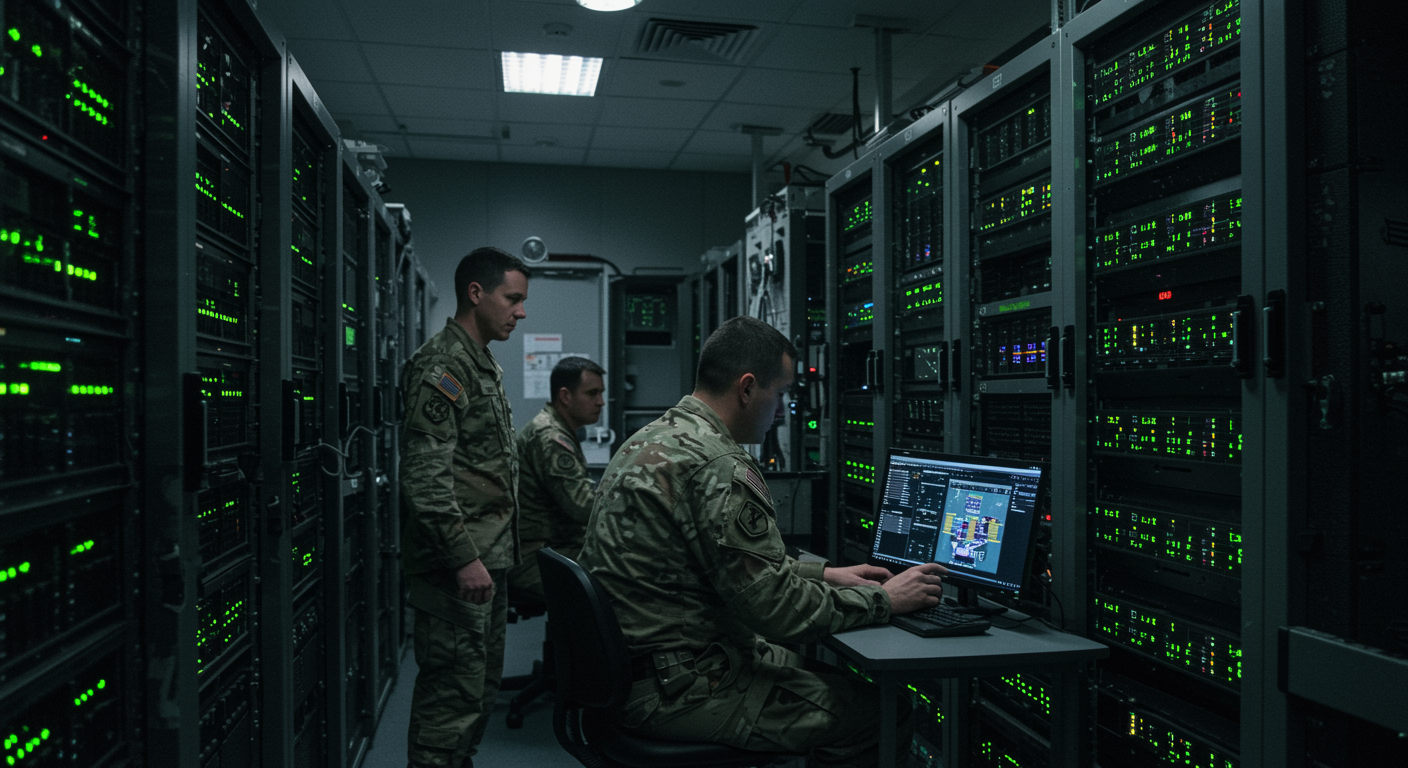
“We currently operate a node on the Bitcoin network,” Paparo said in response to questions from Representative Lance Gooden. “We’re not mining—our focus is on monitoring activity and conducting operational tests to better secure and defend networks using the Bitcoin protocol.”
A Bitcoin node is a computer that stores the full blockchain, validates transactions, and helps enforce the system’s rules by sharing data across its decentralized peer-to-peer network. Unlike mining, it does not produce rewards or require specialized hardware.
By running a node, participants can independently verify the network’s state without relying on third parties. As of early 2026, an estimated 15,000 to 20,000 publicly reachable nodes exist, though the true number is likely higher due to privately operated systems behind firewalls.
While a single node has no impact on Bitcoin’s decentralization, the involvement of a major U.S. military command is notable given the network’s longstanding positioning as resistant to control by powerful institutions.
INDOPACOM oversees U.S. military operations across the Indo-Pacific region, a focal point in strategic tensions with China. Its engagement with Bitcoin highlights the growing intersection between decentralized technologies and geopolitical competition.