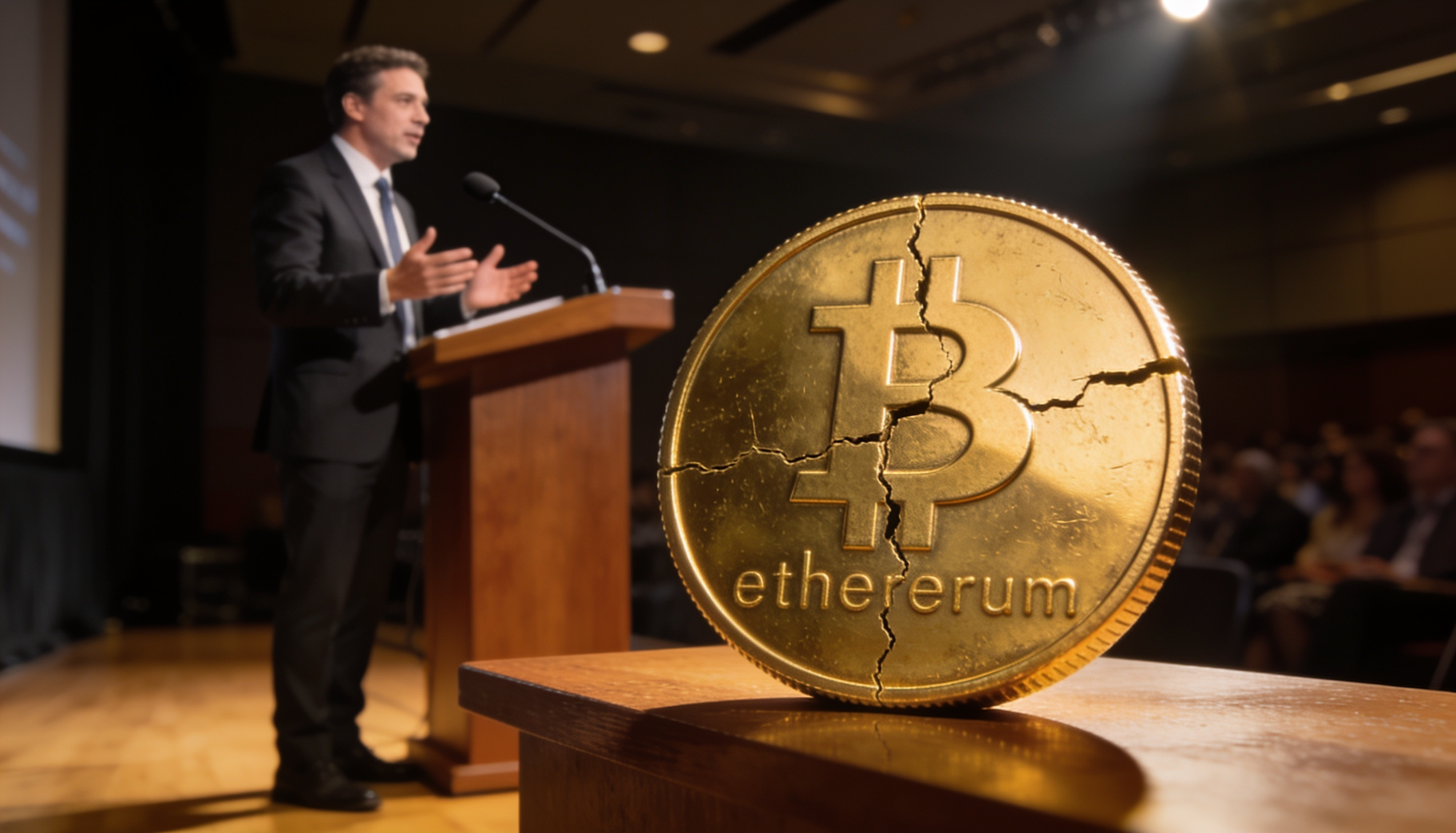
The Bank for International Settlements (BIS) has examined stablecoins and artificial intelligence trends in its latest annual report, offering a skeptical assessment of how fiat-pegged tokens function in practice.
While the crypto industry promotes stablecoins as digital money for payments and settlement, the BIS argues they behave more like exchange-traded funds (ETFs) or other investment vehicles rather than true money.
The report defines money as something universally accepted “with no questions asked,” whether in cash or bank deposits. Stablecoins, it argues, fall short of this standard.
According to the BIS, tokenized fiat assets often trade slightly above or below their peg, similar to ETFs that fluctuate around net asset value. Redemption is also not always frictionless, meaning users may face delays or costs when converting tokens back into fiat currency.
“Redemption frictions are common, indicating that current stablecoin designs resemble exchange-traded fund (ETF) shares rather than means of payment,” the report said.
The BIS also highlighted key structural differences with traditional banking. Unlike bank deposits, which ultimately settle on central bank balance sheets, stablecoins do not offer direct claims on central bank money and cannot guarantee parity across issuers and blockchains under all conditions.
Instead, their stability depends on confidence in issuers’ reserves and redemption systems rather than an explicit sovereign backstop.
The report also criticized the “cash-in-advance” model used by stablecoin issuers, where tokens are minted only after users deposit funds. While this ensures full backing, it prevents the flexible money creation seen in commercial banking through credit expansion.
FX risks and dollarization
The BIS further warned that stablecoins may be reinforcing dollarization rather than competing with fiat currencies. It pointed to rising inflows from non-dollar currencies into USD-pegged tokens, which can weaken local currencies and add pressure to foreign exchange markets.
This pattern resembles traditional deposit dollarization, where households shift savings into foreign currency during inflationary or unstable macroeconomic conditions. The BIS noted that once established, such behavior can persist for long periods.
Stablecoins may accelerate this trend due to their speed and ease of access. The report also flagged frictions in arbitrage between crypto and traditional FX markets, which could increase costs in FX swap markets.
While some jurisdictions have imposed restrictions on stablecoin use, the BIS cautioned that enforcement is likely to remain imperfect, given the ease of peer-to-peer transfers and self-custodied wallets.
As a result, traditional capital controls that work in the banking system may be far less effective in a borderless, token-based financial environment.