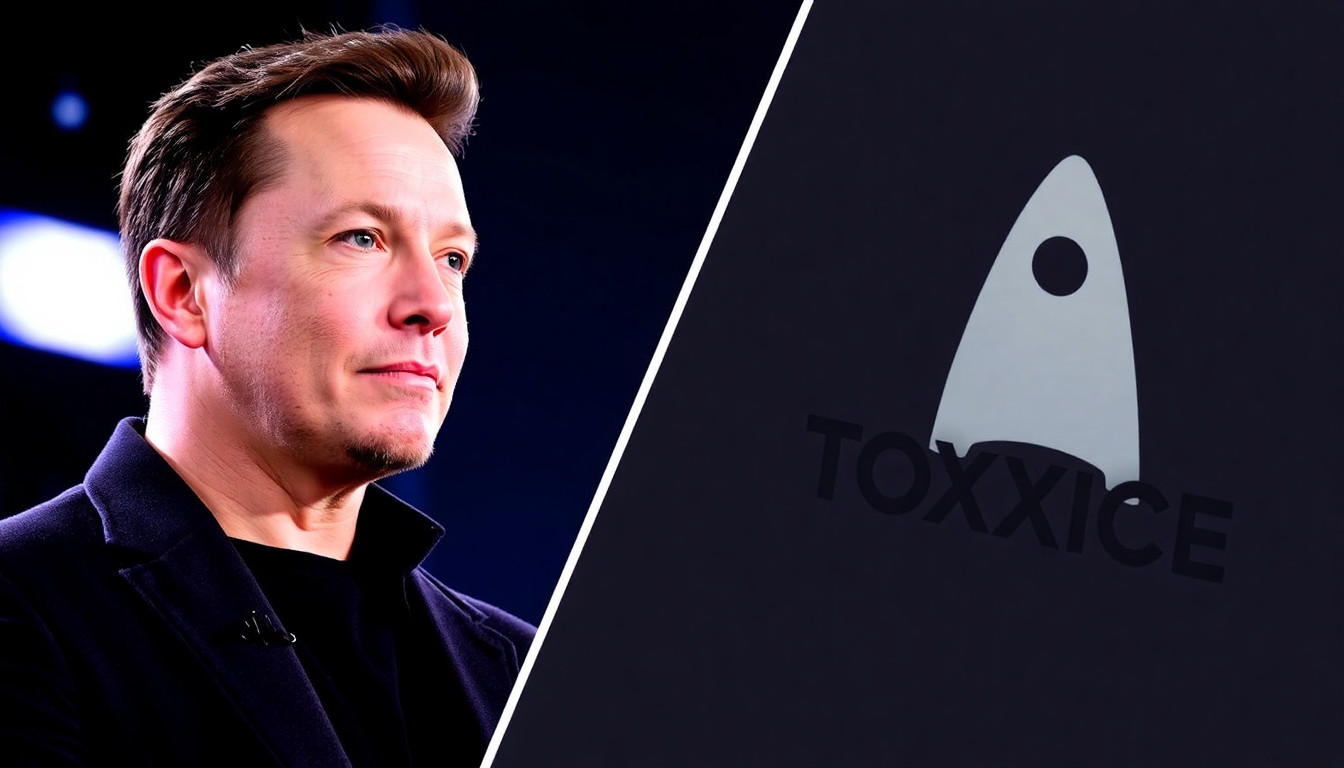
Elon Musk’s Tesla and SpaceX have joined the growing group of companies opposing the OKX-ICE tokenized stock initiative, pushing the total number of objections to 67. The latest companies added to the list include Palantir, S&P Global, KLA, Super Micro Computer, and Meta. This means 56 of the 62 companies initially selected for the project have rejected the proposed listing of their shares on the platform.
The development follows Musk’s recent interaction with a separate blockchain project supported by Intercontinental Exchange (ICE). On October 29, Musk responded “Interesting” to investor Stanley Druckenmiller’s announcement that he had invested in Trade[XYZ], which is collaborating with ICE to bring Hyperliquid-based perpetual futures trading to the US market.
Tesla and SpaceX Increase Pressure on OKX-ICE Tokenized Stock Proposal
The rising number of corporate objections is creating another challenge for the proposed OKX-ICE tokenized stock platform. The project is being developed through a partnership between cryptocurrency exchange OKX and Intercontinental Exchange, the company behind the New York Stock Exchange.
The initiative intends to introduce blockchain-based versions of traditional US stocks, giving investors the ability to trade around the clock using stablecoins such as USDC. However, more publicly traded companies are now using their regulatory rights to prevent independent platforms from offering tokenized versions of their shares.
Tesla and SpaceX were named in the November 2 notice published by OKX-ICE, alongside Amazon, Netflix, Lam Research, and SoFi Technologies. Subsequent updates brought the total number of objections to 67.
The original proposal covered 62 companies across 63 planned stock tickers. With 56 of those companies now filing objections, the project faces growing resistance from the businesses whose shares it intends to represent.
Under the SEC’s temporary Innovation Exemption, trading platforms must notify companies before offering tokenized versions of their securities issued by third parties. Companies can submit objections within 30 days, potentially preventing the platform from listing their corresponding tokenized shares.
However, these objections do not necessarily indicate that companies oppose blockchain-based securities altogether. They can still develop their own tokenization services or work with other platforms to introduce similar products.
The OKX-ICE platform plans to use permissioned liquidity pools on OKX’s X Layer blockchain, with Uniswap v4 technology supporting trading operations. Investors would also have to pass identity verification and sanctions screening before accessing the service.
The proposal aims to combine blockchain settlement with continuous market access. However, the growing number of objections raises questions about how many major US companies will ultimately be available through the platform.
Musk’s Hyperliquid Response Adds Another Dimension
The opposition from Tesla and SpaceX presents an interesting contrast with Musk’s recent engagement with another ICE-supported blockchain initiative.
On October 29, billionaire investor Stanley Druckenmiller announced that he had invested in Trade[XYZ] and planned to use its products following the company’s partnership with ICE.
Musk responded to the announcement on X with the brief comment “Interesting.”
The separate partnership focuses on introducing perpetual futures trading in the United States through Hyperliquid’s blockchain infrastructure. Under the proposed arrangement, ICE will provide the regulated exchange and clearing framework, while Trade[XYZ] will develop the trading markets using Hyperliquid technology.
The initiative is expected to support perpetual contracts linked to several asset classes, including cryptocurrencies, stocks, commodities, and foreign exchange, with trading available around the clock.
ICE is also making a strategic investment in Trade[XYZ], strengthening its involvement in the expanding blockchain-based financial markets industry.
The contrasting developments highlight the challenges facing tokenized financial products. While Tesla and SpaceX are among the companies blocking third-party tokenized versions of their shares on OKX-ICE, Musk’s reaction to the separate Hyperliquid partnership has renewed attention on ICE’s wider ambitions in blockchain-powered trading.