Bitcoin rallies toward $64K as AI-driven market optimism and weaker dollar boost momentum
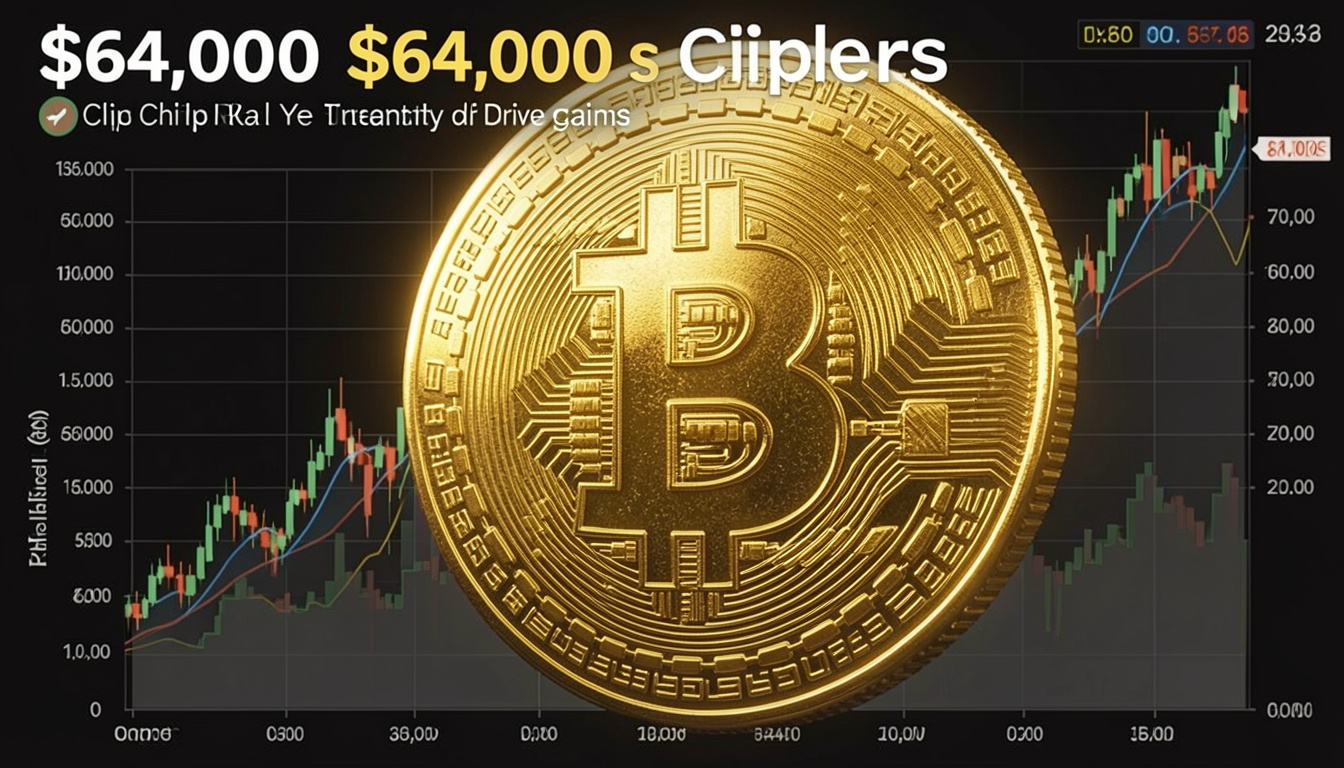
Bitcoin delivered its strongest performance of the week on Friday, recovering from a volatile period that included an oil market shock, rising bond market concerns, and renewed tensions between the U.S. and Iran.
The world’s largest cryptocurrency climbed 3.5% to nearly $64,000, rebounding after falling on concerns that U.S. military action against Iran could intensify. BTC briefly touched a low near $61,850 before buyers stepped in, with about $28 billion worth of bitcoin traded over the last 24 hours. According to CoinDesk data, bitcoin ended the week up 4.2%.
The broader crypto market also saw gains. Ether advanced 2.6% to $1,760, bringing its weekly increase to 4%. Solana rose 2.6% to $78 but remained down 2.1% for the week, making it the only major cryptocurrency still in negative territory. XRP gained 2.2%, TRON increased 1.2% and recorded the strongest weekly gain among major tokens at 4.7%. Hyperliquid’s HYPE climbed 1.8% to $68, while Dogecoin added 2.6% but remained slightly lower over the seven-day period.
The rapid turnaround was largely influenced by derivatives markets. Traders reduced exposure after geopolitical headlines triggered selling, then quickly rebuilt positions, causing prices to rebound faster than underlying spot demand alone would suggest.
MEXC Research chief analyst Shawn Young said markets can experience accelerated moves when liquidations begin driving price action. He is monitoring whether bitcoin can sustain its recovery within the $60,000–$63,000 trading range.
The recovery also followed a rebound in Asian equities, with investors returning to semiconductor stocks amid renewed confidence in artificial intelligence demand. The MSCI Asia Pacific index gained 1.4%, trimming its weekly decline to less than 1%.
South Korea’s Kospi index jumped 4% as AI-related companies attracted fresh buying interest. Memory chip manufacturer SK Hynix was among the notable gainers after pricing a $26.5 billion American depositary share offering, one of the largest equity deals of the year.
Currency markets provided additional support. The Japanese yen strengthened 0.6%, while long-term Japanese government bond yields declined after Finance Minister Satsuki Katayama encouraged pension funds to increase domestic asset allocations. Meanwhile, the U.S. dollar extended its decline and headed toward a second consecutive weekly loss.
Bitcoin’s rebound was notable because it was not fueled by major crypto-specific developments. There were no significant ETF inflows, major protocol upgrades, or exchange-related events during the week. Instead, BTC absorbed several macro challenges, including oil volatility, bond market weakness, changing Federal Reserve expectations, and renewed U.S.-Iran conflict concerns.
The weakening dollar has become a key factor for investors to watch. Bitcoin’s gains came partly as the currency it is priced against lost strength. If dollar weakness continues and enthusiasm around AI infrastructure remains intact, crypto markets may increasingly follow semiconductor and broader technology trends rather than developments directly tied to blockchain networks.