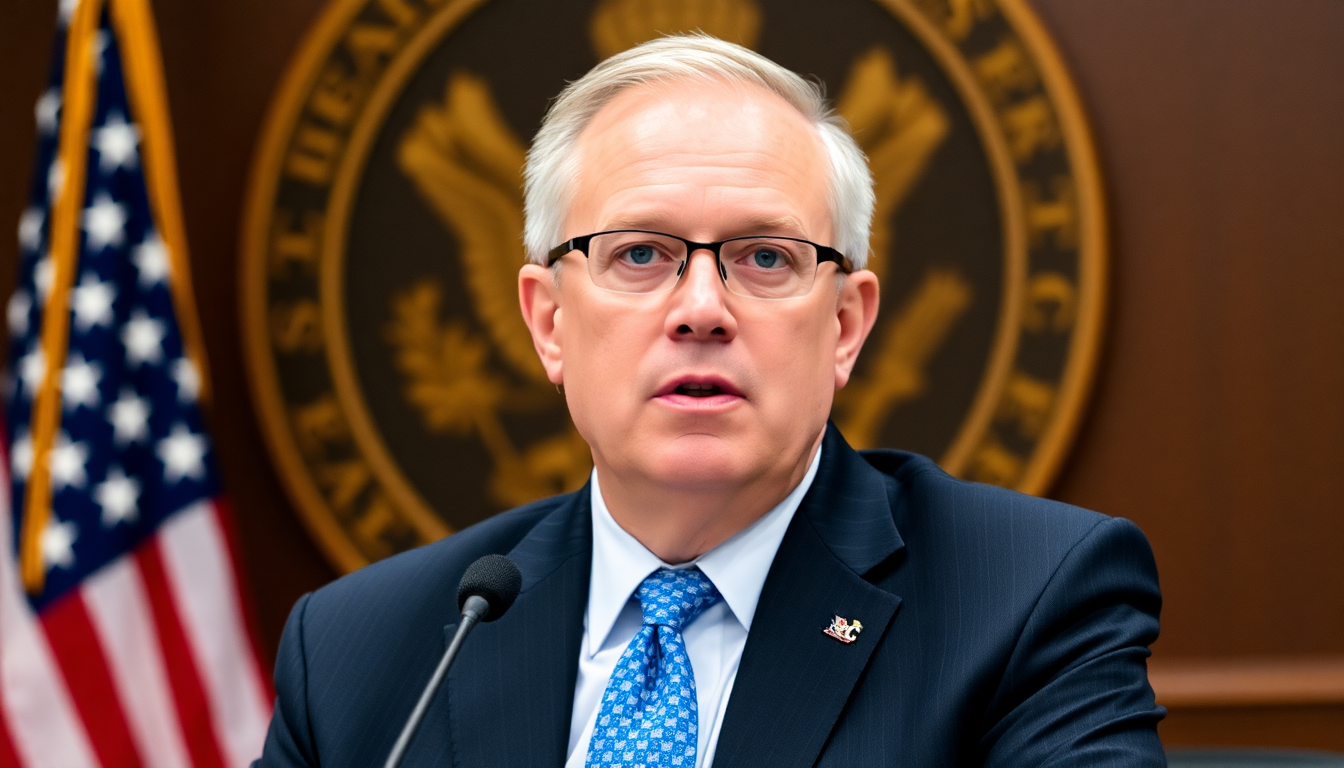
- CFTC Chairman Mike Selig said the agency is ready to develop its own crypto regulations if Congress cannot get the Digital Asset Market Clarity Act across the finish line.
- During the inaugural meeting of the CFTC’s Innovation Advisory Committee, Selig said agency officials have already started examining how existing powers could be used to establish a regulatory framework for digital asset markets.
- If the Clarity Act fails in the Senate, the CFTC could create a crypto market classification modeled on its existing designated contract market, or DCM, structure.
- Selig said he has directed CFTC staff to begin working on rules that would establish a formal market framework for crypto assets using the agency’s current authority. He said the regulator could move quickly if lawmakers fail to act.
- The CFTC is also looking at ways to work with developers and create rules that would allow blockchain protocols to operate within U.S. law while giving developers more durable regulatory protections.
- Selig criticized Democrats for what he described as obstruction of the Clarity Act and said the CFTC would pursue President Donald Trump’s objective of creating a long-lasting regulatory structure for digital assets.
- The CFTC’s preparations come as the SEC advances its own crypto rulemaking. The Securities and Exchange Commission this week unveiled Regulation Crypto Assets, a proposal aimed at easing regulatory requirements for crypto startups and fundraising.
- The SEC and CFTC have previously worked together on a framework for determining how different digital assets should be classified and regulated, although that framework has not been formalized into binding rules.
- SEC Chairman Paul Atkins said Wednesday at a White House event with Trump that congressional approval of the Clarity Act remains the top priority. Atkins has repeatedly said new legislation is needed to provide lasting certainty for the crypto industry.
- Selig similarly described the Clarity Act as the preferred route, saying congressional legislation would be the most reliable way to prevent future regulators from adopting aggressive enforcement policies toward crypto businesses.
- Former SEC Chairman Gary Gensler was a recurring topic during the committee meeting, reflecting the industry’s continued criticism of his approach to crypto regulation.
- Ripple CEO Brad Garlinghouse said Ripple was among the companies caught up in the SEC’s enforcement strategy under the previous administration. He said the change in leadership has produced a noticeably different regulatory environment.
- Garlinghouse added that regulatory pressure had encouraged Ripple to expand its operations outside the U.S. He argued that blockchain technology could improve the speed, efficiency and accessibility of financial transactions, but clear rules are needed to realize those benefits.
Senate Holds Clarity Act’s Fate
- The Clarity Act remains dependent on the Senate, where its prospects have weakened as lawmakers struggle to resolve disagreements over the bill. The chamber has about three weeks remaining to make another attempt at securing the 60 votes needed to advance it.
- Both parties have raised concerns about the legislation, with a proposed ethics provision from Sens. Ruben Gallego and Thom Tillis among the major unresolved issues. Lawmakers are still waiting to see whether the White House will support the revised provision.
CFTC Moves on Prediction Markets
- The committee also discussed artificial intelligence and prediction markets during Thursday’s meeting.
- Selig has emerged as a key figure in the CFTC’s legal fight over prediction market regulation, challenging state authorities and arguing that federal law gives the agency exclusive jurisdiction over the sector.
- The CFTC has already begun developing rules for prediction markets and is preparing additional proposals.
- Selig said future measures will update corporate and listing requirements for DCMs offering event contracts while adding consumer protection standards.