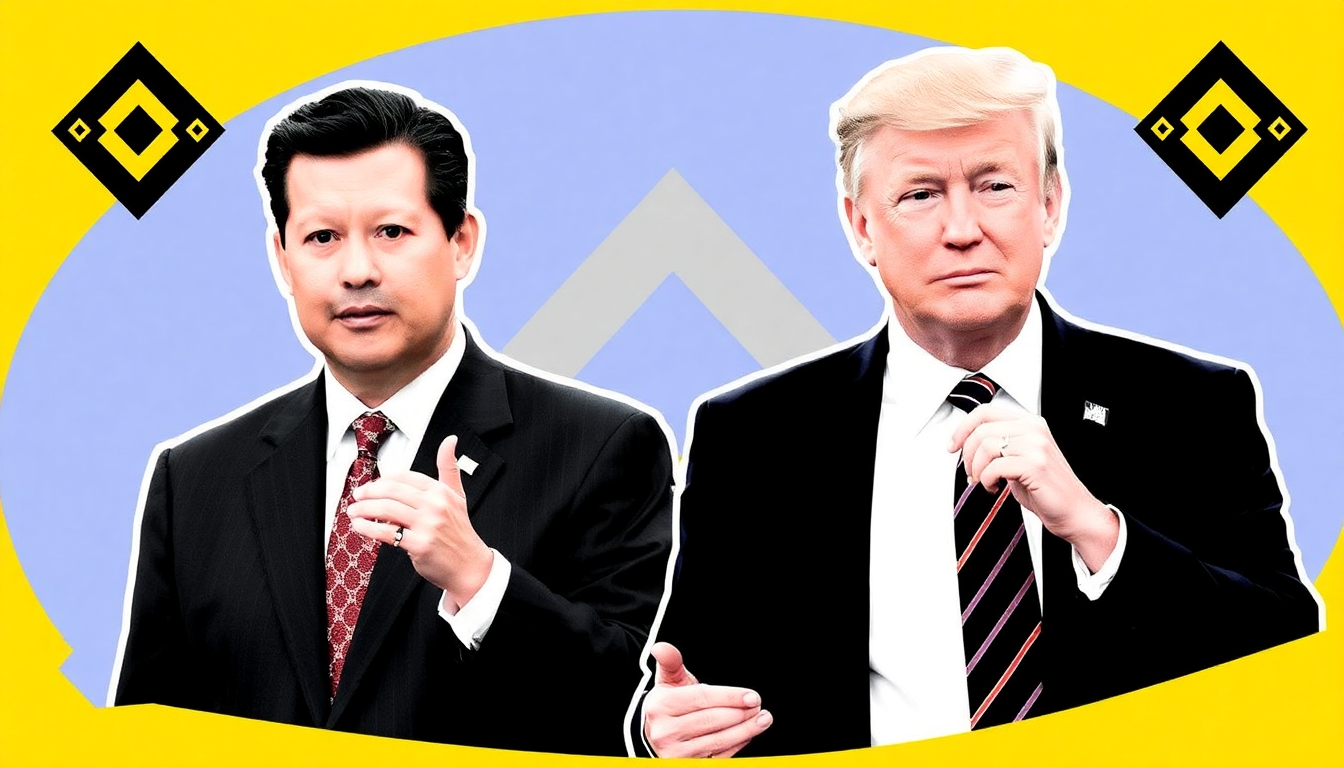
Democrats are expanding their scrutiny of Changpeng Zhao’s presidential pardon as Binance faces mounting questions following a reported $6.34 billion security breach. The renewed investigation has put the exchange’s former chief executive back under the political spotlight. Although Zhao insists he no longer runs Binance, he continues to publicly support the company and respond to developments affecting its operations.
The October 29 security incident exposed weaknesses in Binance’s internal wallet-signing infrastructure, enabling unauthorized transfers across several blockchain networks. The exchange has committed to covering the financial damage, while CZ has defended its response and attempted to restore user confidence.
Zhao’s departure from the CEO role in 2023 has done little to distance him from Binance. He remains closely associated with the exchange and continues to comment on important developments, raising further questions about his influence over the company.
Democrats Intensify Questions Over CZ’s Presidential Pardon
Democratic lawmakers are examining whether political ties, financial arrangements, or lobbying efforts influenced President Donald Trump’s October 2025 decision to pardon Zhao.
The investigation took shape in May when lawmakers sent requests for information to 17 recipients of presidential clemency, including the former Binance chief. They sought details about the pardon applications and whether lobbyists, intermediaries, or political allies helped secure the decisions. The inquiry later expanded to federal agencies responsible for processing clemency requests.
Binance’s recent security breach brought the matter back into focus. On October 30, Maxine Waters, the ranking Democrat on the House Financial Services Committee, questioned Binance’s reported relationship with the Trump family’s World Liberty Financial. She also highlighted the SEC’s decision to drop its legal action against Binance and CZ, alongside Trump’s pardon.
Zhao pleaded guilty in 2023 to failing to maintain an effective anti-money-laundering program at Binance. He subsequently left his CEO position, completed a four-month prison sentence, and received a presidential pardon in October 2025.
The congressional inquiry seeks to determine whether political or financial relationships influenced the clemency decision. Binance’s latest security crisis has added another issue to the debate, bringing the exchange’s internal controls and accountability under greater scrutiny.
$6.34B Binance Hack Renews Debate Over CZ’s Role
Binance’s November 3 update placed the total value of assets affected by the October 29 breach at approximately $6.34 billion. The attacker reportedly accessed an internal wallet-signing service and executed unauthorized transactions outside the exchange’s standard withdrawal procedures.
The compromised assets moved through multiple blockchain networks, including XRP, Solana, Optimism, Bitcoin, and Ethereum. Binance reported that around $2.85 billion had been frozen or intercepted, while approximately 98% of the affected token assets had been replenished by October 31.
The breach targeted Binance’s internal wallet infrastructure rather than the consensus layer of BNB Chain. The exchange reported no attack on BNB Chain’s consensus mechanism, distinguishing the incident from a direct blockchain-level exploit.
CZ has remained vocal as Binance manages the fallout. When Elon Musk appeared to mock the security incident online, Zhao pushed back and asked him to stop trolling. He also referenced Binance’s investment in SpaceX, which he said was worth more than $1 billion.
Binance co-CEO Yi He later stated that the exchange could absorb the financial losses through its existing revenue without selling its SpaceX investment. Zhao subsequently clarified that his comments were not an indication of an upcoming sale.
Binance says it has sufficient financial reserves to cover the damage and is strengthening the affected security systems. The investigation remains active, with independent cybersecurity reviews also expected.
The response highlights Zhao’s continued visibility and influence within Binance’s public narrative despite his departure from the CEO position. He continues to defend the exchange, communicate with its community, and address developments involving its finances and operations.
As Democrats pursue further answers about the circumstances behind CZ’s pardon, Binance is attempting to rebuild trust after the massive security breach. The overlapping developments have intensified political and industry scrutiny of Zhao’s connections, his continuing relationship with the exchange, and Binance’s responsibility for safeguarding customer assets.