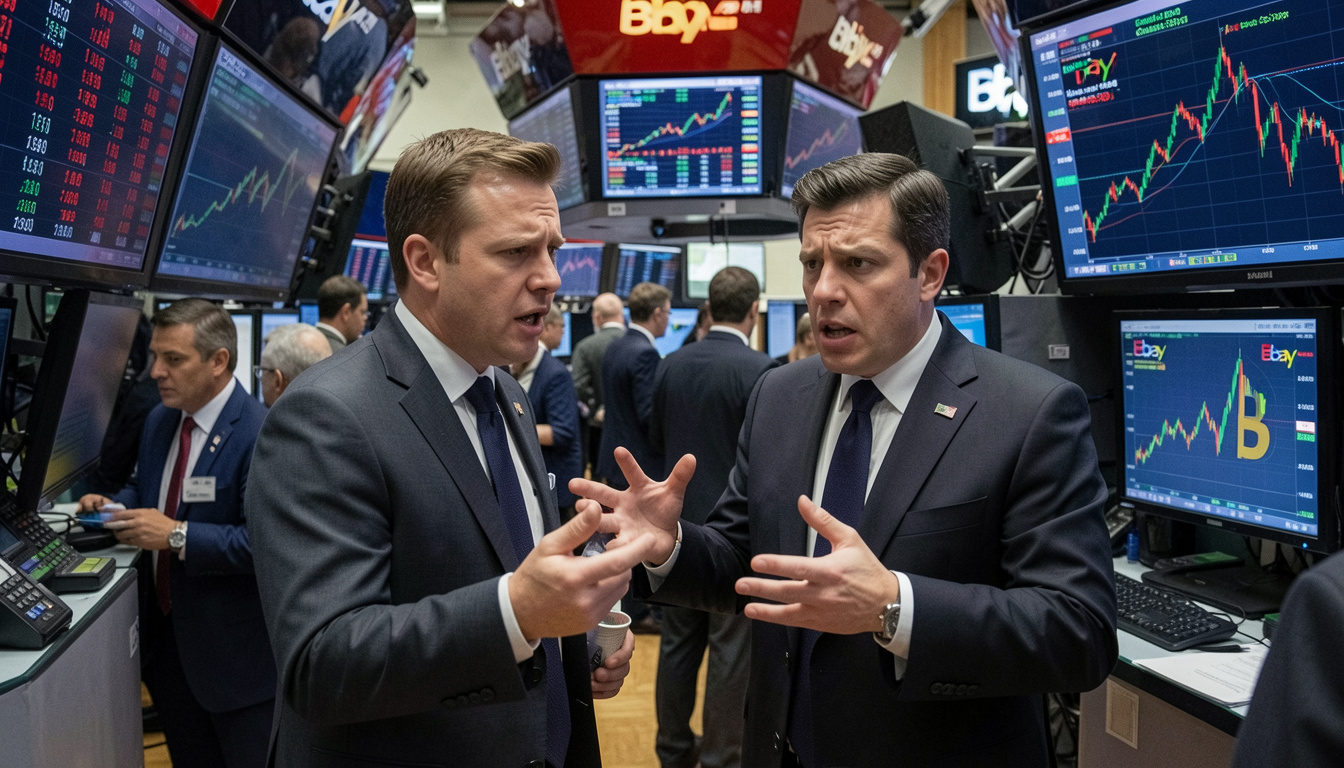
eBay has rejected GameStop’s $56 billion takeover proposal, with the online marketplace’s board dismissing the bid as “neither credible nor attractive,” leaving the video game retailer to weigh its next move—whether to walk away, sweeten the offer, or appeal directly to shareholders.
The all-but-expected rejection came Tuesday, with the board raising concerns over the deal’s financing and arguing that eBay is better positioned to execute under its current strategy. Market pricing had already signaled skepticism, with eBay shares trading well below GameStop’s $125-per-share offer since the bid emerged, suggesting investors doubted the likelihood of completion.
GameStop’s proposal includes a mix of cash and stock, backed by roughly $9.4 billion in cash and liquid assets, alongside as much as $20 billion in debt financing from TD Bank. However, that funding hinges on the combined entity maintaining an investment-grade credit rating—a condition that could prove difficult to meet. Moody’s has already warned the transaction would be credit negative for eBay, and any attempt to increase the bid or pursue a hostile takeover could further strain the financing structure.
GameStop CEO Ryan Cohen has previously described the eBay acquisition as “far more compelling than bitcoin,” raising questions about whether the company’s bitcoin holdings could be tapped if additional liquidity is needed. While a sale of those assets would not fully fund the deal, it represents one of the few flexible levers available to support the bid.
Investor sentiment remains cautious. eBay shares slipped about 1% to around $107 in premarket trading Tuesday, still well below the proposed offer price, while GameStop shares dropped roughly 4%.
The proposed deal has also faced criticism from within GameStop’s own investor base. Michael Burry, known for his role in The Big Short, exited his position following the announcement and warned that acquiring eBay could burden the company with excessive debt and dilute existing shareholders.