- Ethereum developers are narrowing the list of changes being considered for Hegotá, the network’s next major upgrade, with one proposal aimed at giving privacy-focused applications more native support.
- The upgrade could make it easier to build private transaction systems on Ethereum without depending as heavily on third-party services.
- Ethereum addresses, balances and transaction histories remain publicly visible, allowing anyone to track activity on the network. While this transparency is useful, it can create privacy challenges for companies handling payroll or treasury funds and for users who prefer to keep their financial activity private.
- Most privacy tools currently operate through applications built on top of Ethereum. The new proposals would bring some of the functionality those applications require directly into the network.
- A key proposal is Frame Transactions, or EIP-8141. The change would allow accounts to specify their own rules for transaction authorization, execution and fee payment rather than requiring every transaction to follow the same process.
- This could enable wallets to let another party cover transaction fees, combine multiple actions into a single transaction or use different cryptographic authorization methods without requiring users to switch accounts.
- Ethereum Foundation researcher Toni Wahrstätter, a co-author of EIP-8141, discussed the proposal as developers began reducing the scope of the Hegotá upgrade.
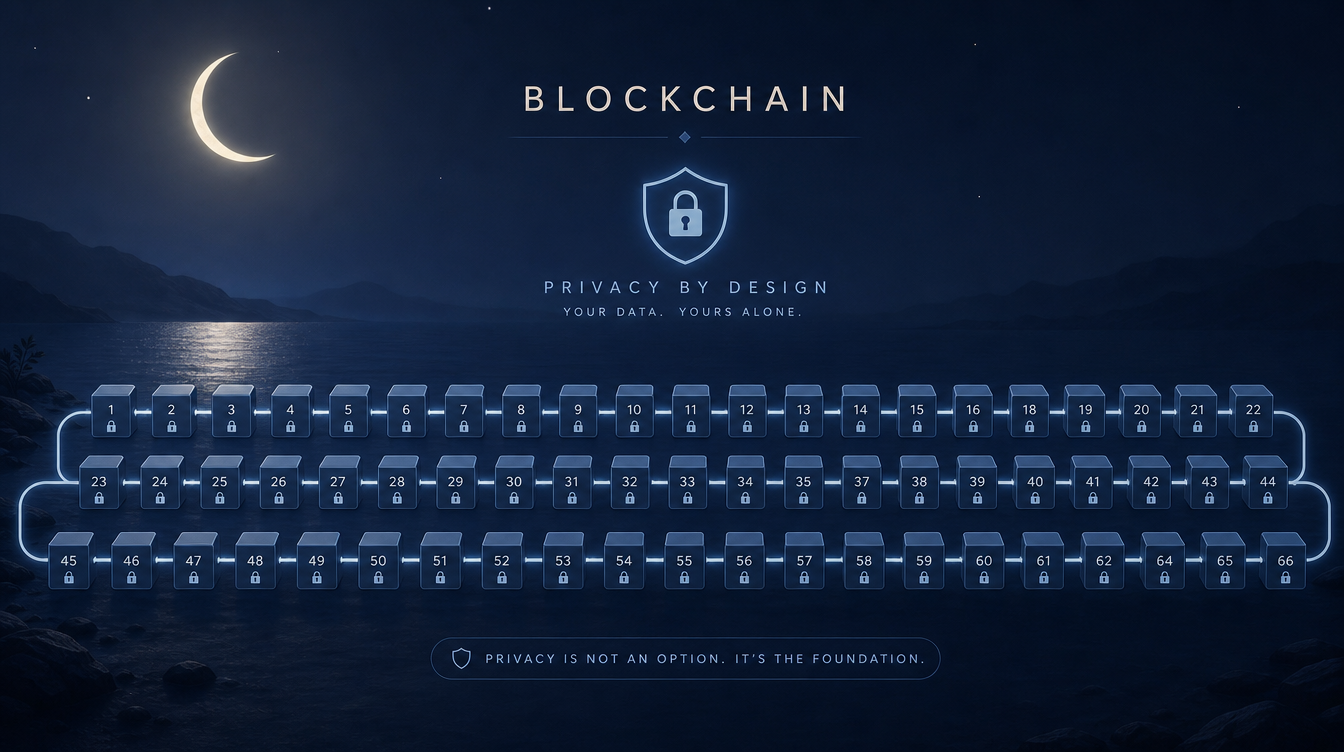
- Developers currently have 66 proposals under review. Over the next several core developer meetings, they will decide which changes can realistically be implemented, tested on development networks and potentially deployed in 2027.
- Ethereum privacy applications already use cryptographic techniques to conceal transaction details, but these systems often require additional infrastructure to submit transactions to the blockchain. Some rely on relayers, which act as intermediaries by sending transactions on behalf of users.
- Frame Transactions is one of the proposals being evaluated for Hegotá, which is expected to come after this year’s Glamsterdam upgrade and is targeted for release in 2027.
- Two related proposals are designed to address transaction-processing issues that could arise when multiple private transactions originate from the same account. EIP-8250, or Keyed Nonces, would give transactions separate counters instead of forcing them into one sequential queue, meaning a delayed transaction would not necessarily block others.
- EIP-8272 would allow a transaction to verify itself using a recent cryptographic record, avoiding dependence on information that could change while the transaction is waiting to be processed.
- Together, these proposals could reduce the amount of external infrastructure required by privacy applications operating on Ethereum.
- However, Hegotá would not make Ethereum itself private. Transactions between conventional Ethereum addresses would continue to be publicly visible. The changes would instead give privacy applications more built-in tools and reduce their reliance on external systems.
- Frame Transactions remains under consideration and has not received final approval. Its inclusion in Hegotá is therefore not guaranteed.
- The only proposal approved so far focuses on censorship resistance. Known as FOCIL, the change would allow a group of network participants to create a list of transactions that must be included in a block, limiting the ability of an individual block builder to exclude transactions.
- Other proposals target faster block production, changes to validator rewards and upgrades designed to prepare Ethereum for cryptography capable of resisting future quantum-computing threats.
- The deadline for submitting proposals ended Aug. 6, with developers now expected to finalize the Hegotá package during the next several core developer meetings.
Ethereum Upgrade Targets 66 Changes, Including Key Privacy Improvement