The Federal Reserve raised its benchmark interest rate by 25 basis points to 3.75%–4.00%, but Grayscale Research expects the move to have little immediate impact on Bitcoin or the broader crypto market. The firm is instead focused on whether the increase remains a one-off adjustment or develops into a wider tightening cycle.
Grayscale sees the latest hike as a mid-cycle policy adjustment rather than a major change in the Fed’s broader approach. The firm argues that the market response will depend not only on the size of the increase but also on the pace and duration of any subsequent rate moves.
The firm compared the current environment with the Fed’s rate-hiking campaign from March 2022 through July 2023. During that period, the federal funds rate increased by 550 basis points as policymakers worked to bring inflation lower. Grayscale believes the prolonged tightening cycle contributed to pressure on Bitcoin and other digital assets during the previous bear market.
The latest hike is far smaller, and Grayscale expects one or two additional increases in 2026. The firm is therefore watching whether future moves remain limited rather than focusing solely on the direction of interest rates. A few incremental hikes could have a different effect on capital allocation than an extended tightening campaign.
Zach Pandl, Grayscale’s head of research, described the latest move as a mid-cycle adjustment rather than a cyclical shift in monetary policy. Grayscale also believes one or two further hikes expected in 2026 would be unlikely to significantly change capital allocation.
The firm’s assessment is that the latest 25-basis-point increase, even with a potential second hike this year, should not cause major changes in digital-asset markets. Grayscale’s view reflects an assessment of the likely policy trajectory and market response, rather than a guarantee about Bitcoin’s future price.
Grayscale cites March 1997 as another example of a limited rate adjustment. The Greenspan-era Federal Reserve made what the firm considers a comparable one-time hike, while the Nasdaq bull market continued. The example supports Grayscale’s distinction between an isolated rate move and a prolonged effort to tighten financial conditions.
Still, the 1997 comparison does not suggest that Bitcoin is protected from higher interest rates. Instead, it illustrates the difference between a single increase and a sustained series of hikes. If the Fed moves into a longer tightening cycle, the 2022–2023 period could provide a closer comparison.
Bitcoin and other major cryptocurrencies experienced a relatively modest immediate response following the Fed’s decision, according to contemporaneous reports. The limited reaction is consistent with Grayscale’s view that the latest rate increase was not a major disruption for crypto markets, although future policy signals could have a greater effect.
How Higher Rates Can Affect Bitcoin
Grayscale does not argue that rising rates have no impact on crypto. Instead, it says the effects vary across different parts of the digital-asset industry. The firm points to stablecoin issuers such as Circle and Tether, which can benefit from higher revenues when cash interest rates rise.
Higher yields on tokenized bonds and money-market funds could also encourage more capital to move onto blockchain networks, according to Grayscale. The firm emphasizes that crypto is made up of different assets and businesses, meaning changes in interest rates can produce different outcomes across the sector.
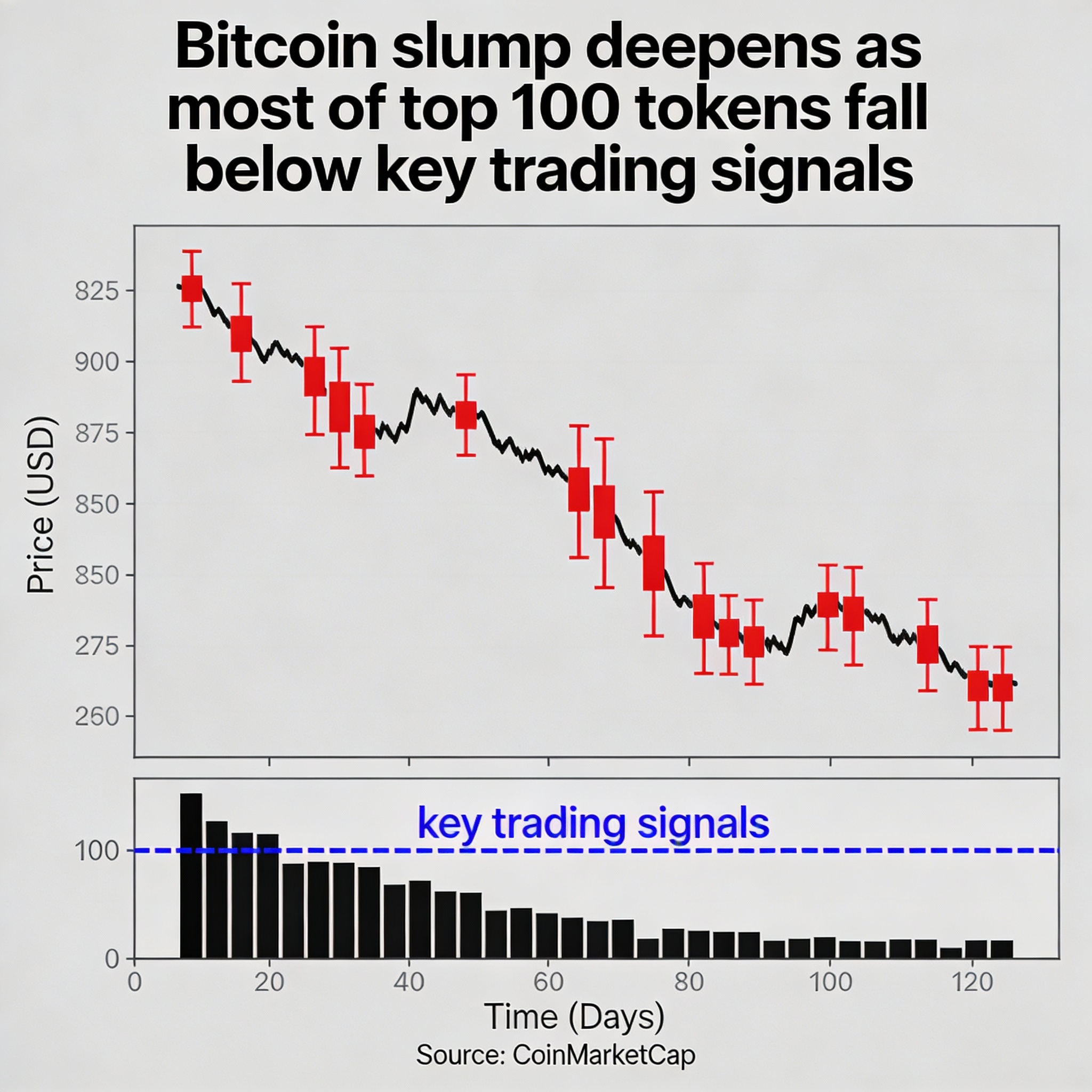
Bitcoin’s recent price action remains another factor to watch. BTC has struggled to maintain its upward momentum, increasing the possibility of further selling if major support levels break.
The 1997 comparison should also be viewed with caution because Bitcoin’s market structure and investor base differ considerably from those of traditional financial markets at that time.
For now, Bitcoin’s ability to defend key support zones will remain important for market stability. A move above recent resistance could alter the current bearish setup, while another breakdown could increase concerns about renewed market weakness.