Bitcoin’s Sharpe ratio has fallen to a level that has historically aligned with cycle bottoms since 2015, though past trends indicate this typically signals a period of consolidation rather than an immediate rebound.
At the same time, all seven “Magnificent 7” stocks are trading lower on Wednesday, with the MAGS ETF down roughly 9% from its May peak.
Two main headwinds are driving the decline. First, investors are rotating out of Big Tech into stronger-performing areas such as memory and semiconductor stocks. Second, the aggressive spending required to build out AI infrastructure is weighing on valuations. These companies are funding expansion through cash flow, debt, and equity issuance, prompting a key question from markets: when will these investments translate into earnings? Until meaningful returns from AI emerge, pressure is likely to persist.
Seasonality also plays a role. Mid-June has often been a weak period for Bitcoin, frequently marking local bottoms. The asset is currently trading near $65,000, not far above its recent dip below $60,000 earlier this month.
Looking at prior years highlights this pattern:
- June 2021: Bitcoin dropped करीब 50% amid China’s mining crackdown.
- June 2022: Prices fell to around $17,000 following the collapse of major crypto firms.
- June 2023: Bitcoin traded below $25,000 after a pullback from spring highs.
- June 2024: The asset consolidated near $65,000.
- June 2025: Bitcoin hovered around $100,000 before rallying to new highs in July.
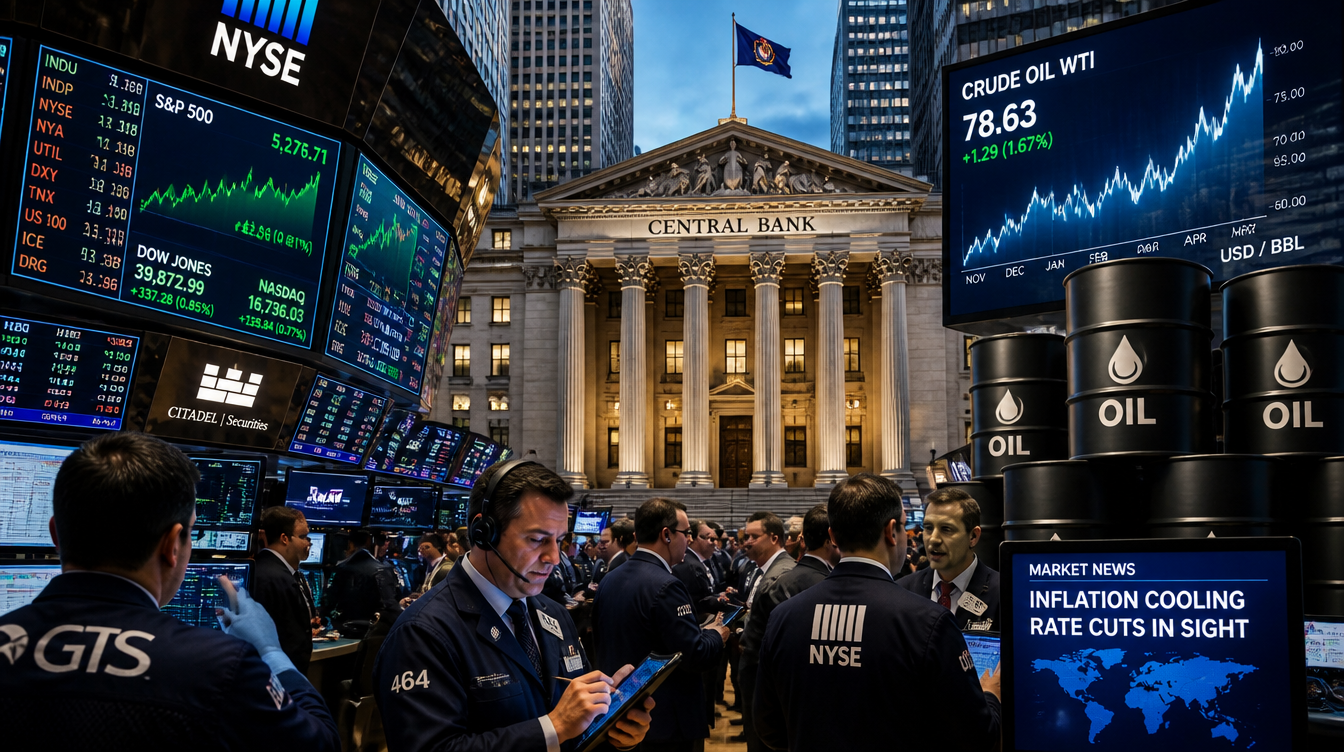
Markets remain cautious ahead of the Federal Reserve’s policy decision, with rates widely expected to stay unchanged. Risk assets are mixed—equities are slightly higher, gold is flat, Bitcoin has dipped below $65,000, and the U.S. dollar is holding just under the 100 level.
Oil prices have eased back toward $76 per barrel as geopolitical tensions subside, returning to pre-conflict levels and potentially reducing inflationary pressure.
Despite near-term uncertainty, some investors remain optimistic. SkyBridge CEO Anthony Scaramucci views the current lack of enthusiasm as a bullish signal, suggesting Bitcoin could begin a new uptrend in late 2026. Weak sentiment, low RSI levels, and thin liquidity could amplify gains if demand returns.
On-chain indicators also suggest a potential turning point. The RHODL Ratio is rolling over from elevated levels, a pattern seen at prior cycle bottoms, indicating long-term holders are regaining control and capital rotation may be underway.
Meanwhile, crypto markets have softened slightly ahead of the Fed decision, with Bitcoin slipping modestly during European trading hours—likely reflecting consolidation after recent gains rather than a broader reversal.
Traditional markets, however, are showing strength, with stock futures and bonds moving higher.
The Federal Reserve is expected to hold rates in the 3.50%–3.75% range, shifting attention to its economic projections and policy outlook. A dovish tone could support crypto markets, while a more hawkish stance may extend the pullback.
Bitcoin ETFs are beginning to stabilize after weeks of outflows, with modest inflows returning and BlackRock’s IBIT leading demand.
Additionally, Binance order book data shows a growing imbalance favoring buyers, indicating strengthening demand beneath the surface.
Overall, while multiple on-chain metrics point to a potential bottom forming, historical patterns suggest Bitcoin may need time to build a base before any sustained rally takes hold.