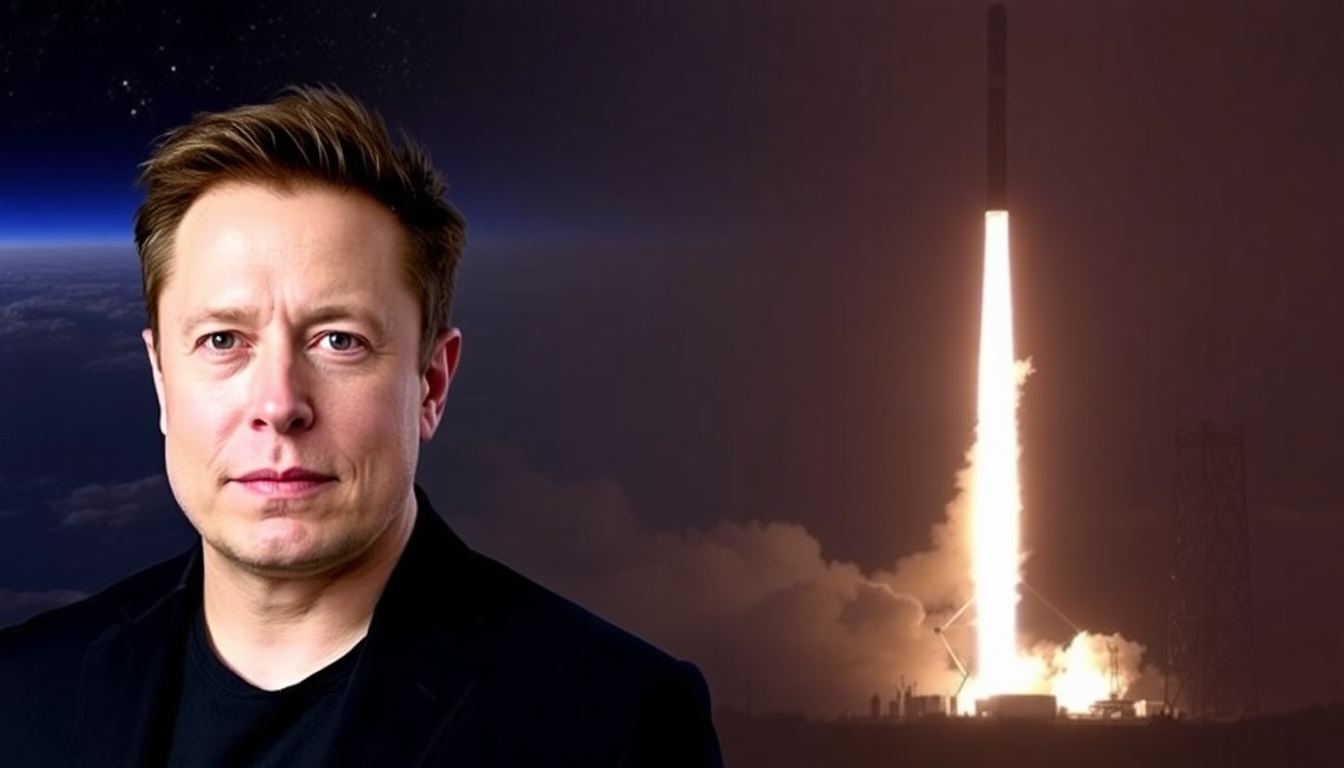
SpaceX has raised $40 billion through debt financing to purchase AI processors, as Elon Musk cautions that a major shakeout could force hundreds of smaller AI cloud providers to merge or exit the market.
The Nasdaq-listed company, trading under the ticker SPCX at $146.59 in the supplied market data, secured the funding to acquire graphics processing units (GPUs), which are essential for running artificial intelligence models and workloads.
Musk revealed the financing on X while warning about mounting pressure on neoclouds, companies that primarily operate data centers and lease AI computing power to customers. His remarks could heighten concerns about the profitability of the AI infrastructure boom, adding to uncertainty across equity markets and cryptocurrencies.
The $40 billion financing consists largely of callable debt, giving SpaceX the option to repay it early. The funds may help finance GPU shipments expected in the first half of 2027, although Musk did not explicitly confirm this use. Reuters previously reported that SpaceX was negotiating with banks and asset managers to secure $40 billion for Nvidia chips.
Starlink and Rocket Launches Strengthen SpaceX’s Credit Position
Musk said SpaceX’s strong credit standing and established revenue from Starlink internet services and rocket launches helped the company obtain the financing.
These businesses provide income independent of AI data centers, giving SpaceX a more diversified financial base than providers whose earnings depend heavily on renting out computing capacity.
Musk said debt financing has become increasingly difficult to obtain for companies that lack meaningful revenue outside the AI data center sector. He indicated that lenders have largely withdrawn access to debt markets for businesses without substantial independent income.
He also forecast that more than 200 neocloud providers could consolidate, leaving only a small group of companies operating in the sector.
Neocloud Companies Face Rising Financial Risks
The deal illustrates the enormous investment required to compete in AI computing. Building large-scale GPU clusters can cost tens of billions of dollars, making access to financing a critical advantage. Companies with diversified revenue and solid credit ratings are better positioned to fund expansion, while AI-dependent operators face tougher borrowing conditions.
Venture capitalist Chamath Palihapitiya had previously criticized the funding and management structures of many neocloud businesses. He said major cloud providers, including Amazon, Microsoft and Google, were taking a cautious approach to agreements and often prioritizing computing resources for their own needs.
Palihapitiya also warned that delays in data center construction could leave GPUs and unfinished projects underused. If those facilities fail to generate enough revenue, companies could struggle to meet financing obligations in 2027.
AI Spending Concerns Weigh on Market Sentiment
Investors are increasingly questioning whether the massive capital flowing into artificial intelligence will generate sufficient returns. These doubts have weighed on AI-related stocks and contributed to broader market volatility.
Nasdaq futures were near 29,080 at the time of writing, well below levels above 30,000 recorded earlier in the month.
SpaceX’s $40 billion borrowing highlights the growing gap between AI companies with reliable revenue streams and smaller providers that depend heavily on data center demand. As lenders become more selective, financially weaker neocloud businesses may face mounting pressure to consolidate or scale back their ambitions.