SpaceX has proposed a massive $24 billion AI infrastructure project in Texas, combining a high-performance supercomputer facility with a dedicated natural gas power plant. The investment would be approximately 17 times greater than the value of the company’s existing Bitcoin holdings.
The Elon Musk-led company, which maintains a significant BTC treasury and completed its public listing in June, is looking to develop an integrated computing and energy facility at Starbase, Texas.
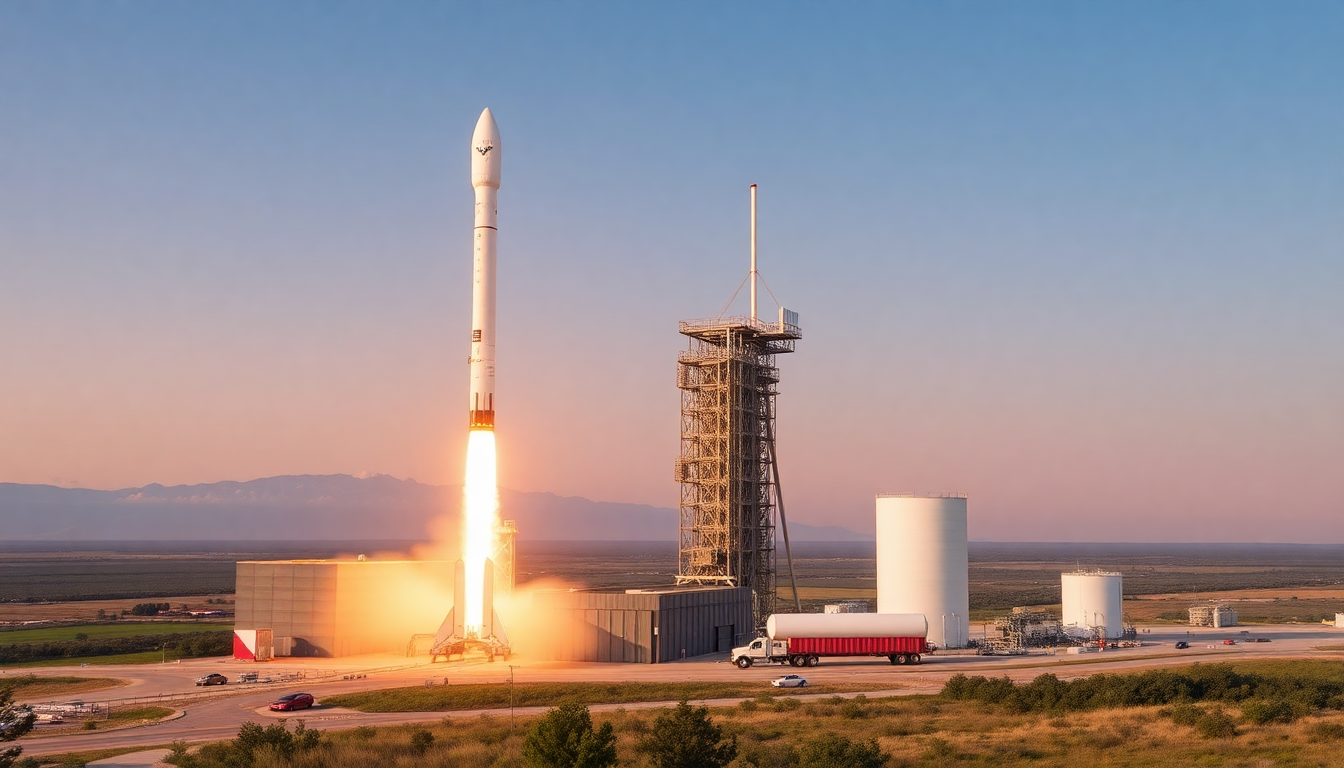
The proposed site is located in Cameron County, where SpaceX operates its main rocket manufacturing complex and launch facilities. According to a municipal notice, the development would consist of a natural gas-powered electricity plant and a data center referred to as a “super-compute facility.”
The project’s $24 billion estimated cost stands out when compared with SpaceX’s cryptocurrency investments. Bitcointreasuries.net reported that the company held 18,712 BTC, valued at approximately $1.39 billion at the time of writing. Consequently, the planned AI development carries a price tag nearly 17 times larger than its Bitcoin portfolio.
SpaceX reportedly intends to install 35 gas turbines capable of producing 748 megawatts of electricity. The arrangement would allow the company to generate power specifically for its computing operations instead of depending entirely on conventional electricity networks used by most AI data centers.
The City of Starbase notice confirms that SpaceX intends to develop, own and operate both the natural gas power station and the supercomputing complex.
This strategy mirrors a growing trend among technology companies seeking greater control over their energy requirements. Anthropic, for example, recently agreed to purchase 1.7 gigawatts of gas-fired generation equipment in a deal valued at $3.4 billion. One gigawatt equals 1,000 megawatts.
Although the city notice outlines the proposed facilities, it does not disclose SpaceX’s specific reasons for choosing an independent power generation system.
The project also illustrates how the rapid expansion of artificial intelligence is reshaping energy demand.
The Global Commodity Trader Index, a benchmark representing institutional commodity trading firms, described the development in a post on X, stating that the AI boom is increasingly becoming a natural gas story.
According to the organization, technology companies are moving away from relying exclusively on utility providers and are instead securing their own electricity generation capacity, equipment and fuel supplies. This shift could generate substantial long-term demand for gas producers, turbine manufacturers and pipeline operators.
SpaceX Strengthens Its Position in the AI Industry
SpaceX’s latest infrastructure proposal follows its recent expansion into artificial intelligence.
In February, Elon Musk merged xAI with SpaceX through a stock-based transaction that valued the combined business at approximately $1.25 trillion.
The Texas supercomputer proposal represents another significant development in SpaceX’s strategy to expand its AI capabilities while securing the electricity needed to support increasingly demanding computing operations.
Texas Tax Incentives and Regulatory Hurdles
SpaceX is also requesting property tax concessions from the City of Starbase to support its proposed $24 billion development.
The requested incentives would reduce the company’s property tax obligations and provide access to the Cameron County Enterprise Zone program. Starbase’s city commission is scheduled to hold a public hearing on the proposal on December 9.
However, the project faces an uncertain regulatory environment as Texas officials reconsider the rapid growth of large-scale AI data centers.
Democrat Gina Hinojosa defeated Republican incumbent Greg Abbott in the November 3 gubernatorial election. Her campaign included criticism of the state’s expanding AI infrastructure, with concerns that electricity-intensive facilities were placing additional pressure on local resources.
Abbott had previously announced a temporary suspension on August 3, preventing additional data center developments from advancing through the state’s grid connection process while regulators conducted an assessment.
The statewide review examines electricity generation at individual facilities and evaluates the potential consequences for local water supplies and surrounding communities, regardless of how those facilities obtain their power.
SpaceX’s decision to establish its own natural gas-powered electricity supply could therefore become an important consideration in the approval process. Whether the independent power arrangement will help the company navigate Texas’ regulatory restrictions remains unclear.