Yapı Kredi, a major private banking institution in Türkiye, has partnered with Ripple to strengthen its digital asset infrastructure through the adoption of Ripple Custody. The development comes as XRP trading activity against the Turkish lira continues to weaken, with Binance’s monthly trading volume heading toward a 70% annual decline.
Through the agreement, Yapı Kredi will use Ripple’s custody technology to secure and manage cryptocurrencies for its trading platform, Yapı Kredi Kripto. The bank plans to operate the infrastructure on its own premises, maintaining direct control over its digital asset custody operations.
Ripple described Türkiye as the largest retail cryptocurrency market across the Middle East and Africa, highlighting XRP’s position among the most widely held digital assets in the country.
However, the latest institutional development has not coincided with stronger XRP trading activity. Binance data indicate that XRP/TRY trading volume could reach approximately $136 million in November, significantly below the $475 million recorded during November 2025.
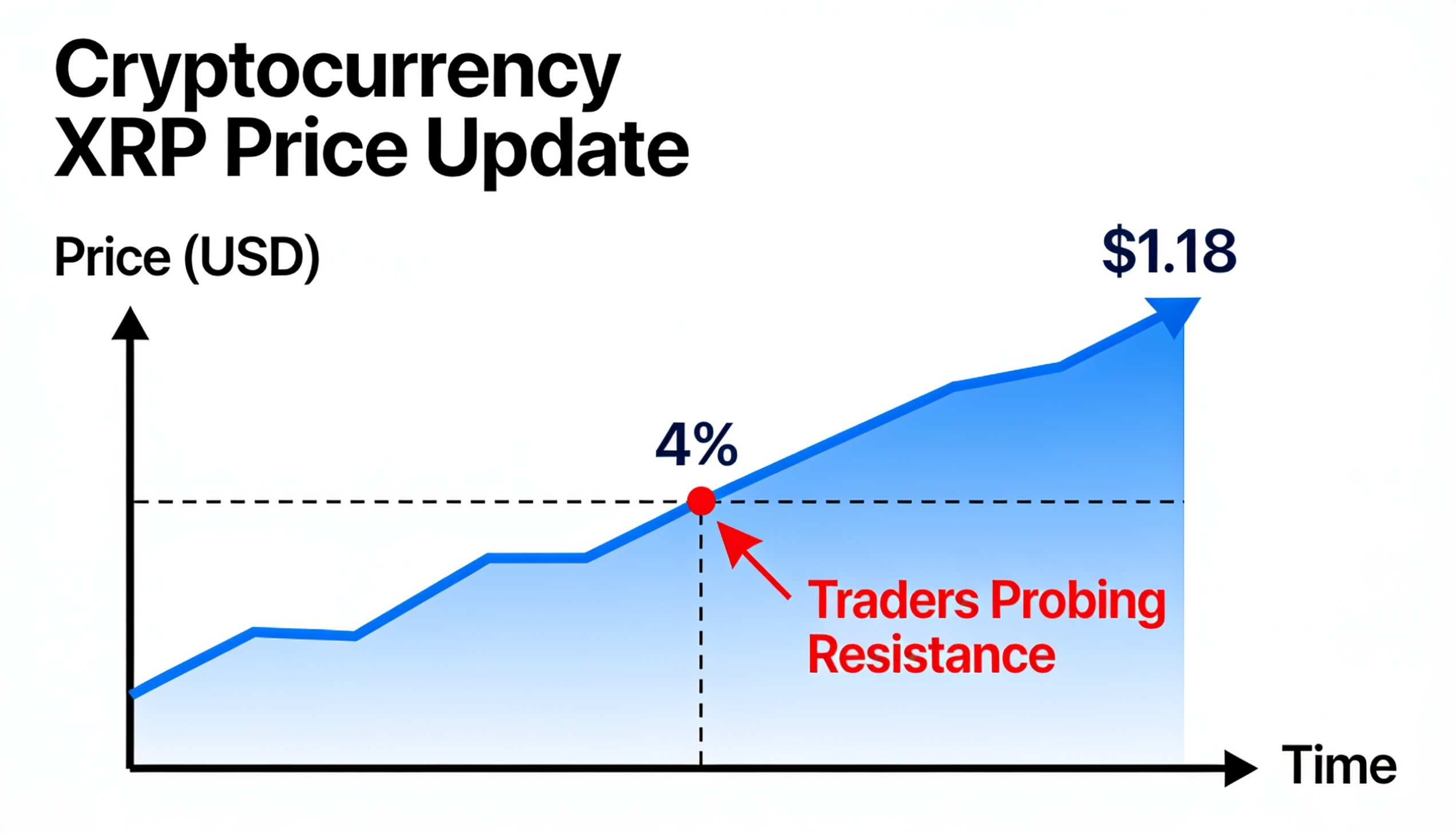
XRP has also faced considerable selling pressure in the broader market. The cryptocurrency is trading near $0.92, representing a decline of approximately 58% over the past year.
The contrasting developments raise questions about whether Ripple’s expanding banking relationships can eventually translate into stronger demand for XRP.
Yapı Kredi Integrates Ripple’s Digital Asset Custody Technology
The agreement will allow Yapı Kredi to use Ripple Custody for storing and managing digital assets associated with Yapı Kredi Kripto.
Several elements define the partnership:
- Digital asset protection: Ripple’s technology will support the storage and management of cryptocurrencies held through Yapı Kredi’s trading platform.
- Internal infrastructure: The custody solution will be installed within the bank’s own facilities, allowing it to oversee operations directly.
- Regulatory framework: Türkiye’s Capital Markets Board (CMB) established regulations for cryptocurrency service providers in 2024. Yapı Kredi obtained approval to operate as a crypto custodian in 2026.
The regulatory environment has increased the importance of licensed custody providers. Under Türkiye’s requirements, cryptocurrency trading platforms must keep at least 95% of customer assets with authorized custodians, positioning regulated banks as important participants in the sector.
Ripple further claimed that its custody infrastructure powers every leading Turkish bank that has received a cryptocurrency custody license to date.
Reece Merrick, Ripple’s managing director for the Middle East and Africa, said the company’s technology provides financial institutions with the security and operational control necessary to introduce digital asset services.
XRP/TRY Trading Activity Falls Sharply on Binance
While Ripple continues expanding its institutional presence in Türkiye, XRP’s trading performance suggests that retail market interest has weakened.
Monthly Binance data for XRP trading against the Turkish lira reveal a substantial reduction in activity over the past year.
- November 2025: Trading volume reached approximately $475 million.
- November 2026: Volume stood at $113 million through November 25, with a projected monthly total of around $136 million.
- Previous highs: Trading activity reached approximately $461 million in February and $375 million in September before declining.
Based on these figures, November’s projected volume represents a roughly 70% decrease compared with the same month last year.
XRP has also lost some of its prominence among Turkish lira trading pairs. Over the past 30 days, it accounted for approximately 1.7% of Binance’s TRY-denominated volume, placing it 11th among traded cryptocurrencies. In dollar-pegged stablecoin pairs, however, XRP represented 3.3% of volume and ranked fifth.
Data from local exchange BtcTurk showed a similar trend, with XRP ranking 11th in lira-denominated trading on Tuesday. This indicates that traders may be directing more capital toward smaller cryptocurrency projects.
The Turkish lira’s depreciation has offered some relief to domestic XRP investors. Over the past year, XRP has declined approximately 50% against the lira, compared with a 58% drop against the US dollar. The difference is partly attributable to the lira losing around 16% of its value against the dollar.
XRP Price Outlook: $1 Remains the Main Hurdle
XRP continues trading below its major moving averages, reflecting the weakness in its broader technical structure.
At approximately $0.9209, the token remains beneath its 50-day exponential moving average (EMA) of $1.14 and its 200-day EMA of $1.30.
The immediate technical outlook revolves around the following price levels:
Resistance to watch
- $1.00: This psychological level previously served as support until mid-August but has since become a barrier for buyers. XRP failed to reclaim it during attempts on November 18 and November 23.
- $1.048: The next resistance area, which previously triggered multiple price rebounds between late June and early August.
Support to watch
- $0.91: Buyers have defended this area for four consecutive daily sessions since Sunday, making it an important short-term support zone.
- $0.86: A breakdown below $0.91 could expose XRP to another decline toward Saturday’s low.
Overall, the Yapı Kredi partnership represents another important step in Ripple’s institutional expansion across Türkiye. However, the growth of its custody business does not automatically create additional demand for XRP, as banks can use Ripple’s infrastructure without relying on the token’s market price.
For XRP traders, the immediate focus remains on whether the cryptocurrency can regain the $1.00 level. A sustained move above this resistance could improve the technical outlook, while continued rejection may leave the token vulnerable to further weakness.