Diversification into artificial intelligence (AI) and high-performance computing (HPC) infrastructure emerged as the key differentiator for bitcoin miners in 2025, driving sharp stock outperformance while pure-play mining companies lagged.
As the year draws to a close, bitcoin (BTC) is down roughly 7% year-to-date, underperforming traditional risk assets such as gold, the S&P 500 and major technology stocks, all of which have continued to post record highs.
That divergence has translated directly into public mining equities, where returns have split sharply along diversification lines. Miners that aggressively pivoted toward AI and HPC infrastructure delivered outsized gains, while companies focused primarily on bitcoin production struggled to keep pace.
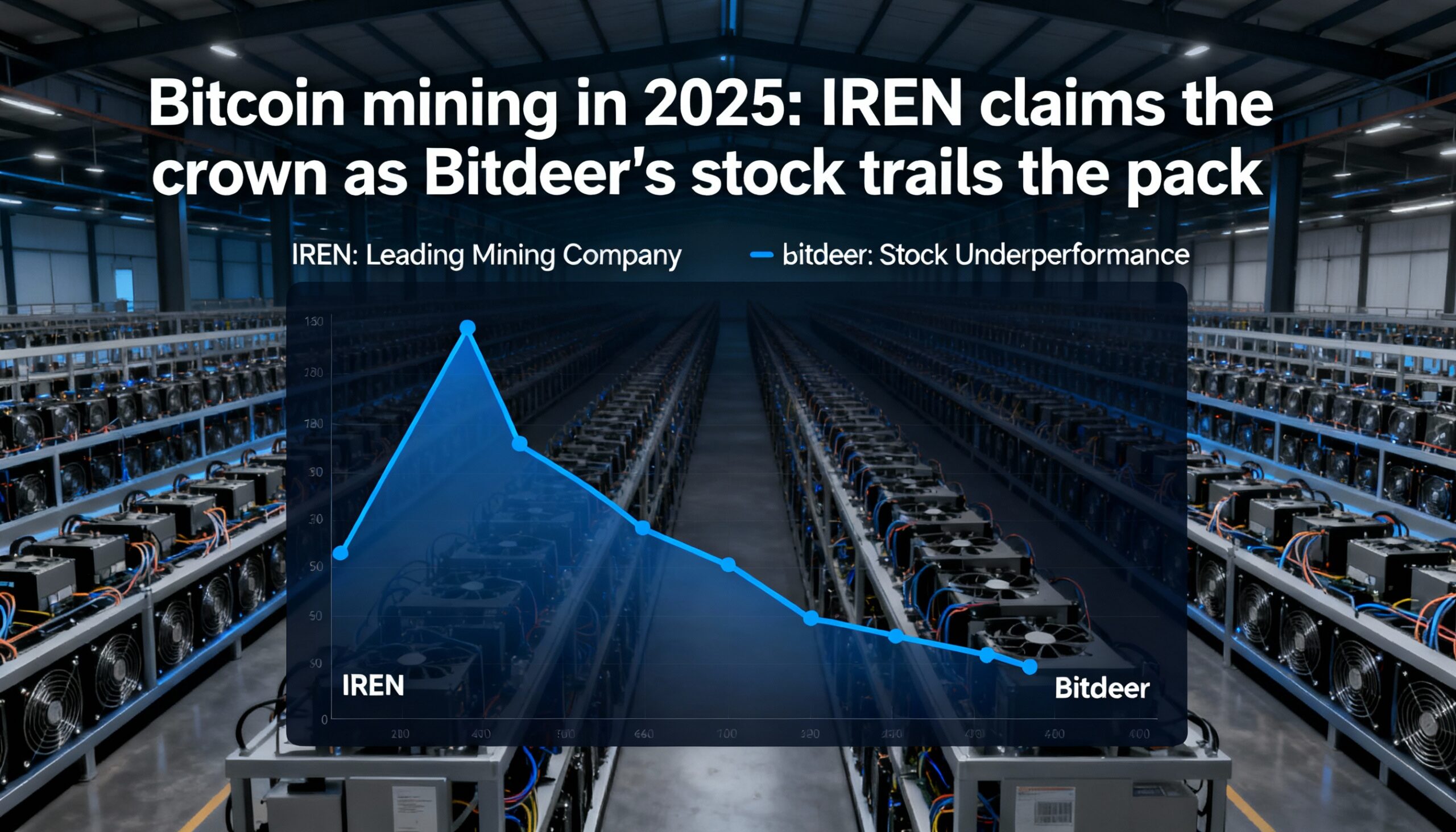
IREN (IREN) led the sector with a roughly 300% year-to-date gain, supported by large GPU cloud contracts and strategic backing from Microsoft. Cipher Mining (CIFR) followed, up about 230%, as it expanded AI hosting partnerships, notably with Fluidstack. Hut 8 (HUT) also posted strong gains of around 139%, bolstered by its recent announcement of a $7 billion, 15-year AI data center lease covering 245 megawatts at its River Bend facility in Louisiana.
By contrast, several of the largest bitcoin holders among publicly traded miners underperformed their AI-focused peers. Marathon Digital (MARA), the largest BTC holder in the group with 53,250 bitcoin, is down roughly 44% year-to-date. CleanSpark (CLSK), holding 13,011 BTC, and Riot Platforms (RIOT), with 19,324 BTC, recorded more modest gains of 16% and 32%, respectively, after delaying meaningful AI diversification until later in the year.
Core Scientific (CORZ) charted a different path after shareholders rejected a $9 billion all-stock acquisition proposal from CoreWeave in October. The company opted to remain independent, betting on higher standalone valuation amid growing AI demand, though its shares are up just 9% year-to-date.
Bitdeer Technologies (BTDR) stood out as the sector’s weakest performer, down roughly 50% on the year. Most of the decline followed its third-quarter earnings release, which revealed a larger-than-expected net loss and delays to its ASIC chip development, raising fresh concerns about the timing and execution of its AI expansion strategy.
Overall, 2025 reinforced a clear market signal: bitcoin miners that successfully repurposed infrastructure for AI data centers significantly outperformed those remaining largely exposed to bitcoin mining alone.