Bitcoin may be showing early signs of stabilization, but a key on-chain signal suggests the recovery is not yet decisive.
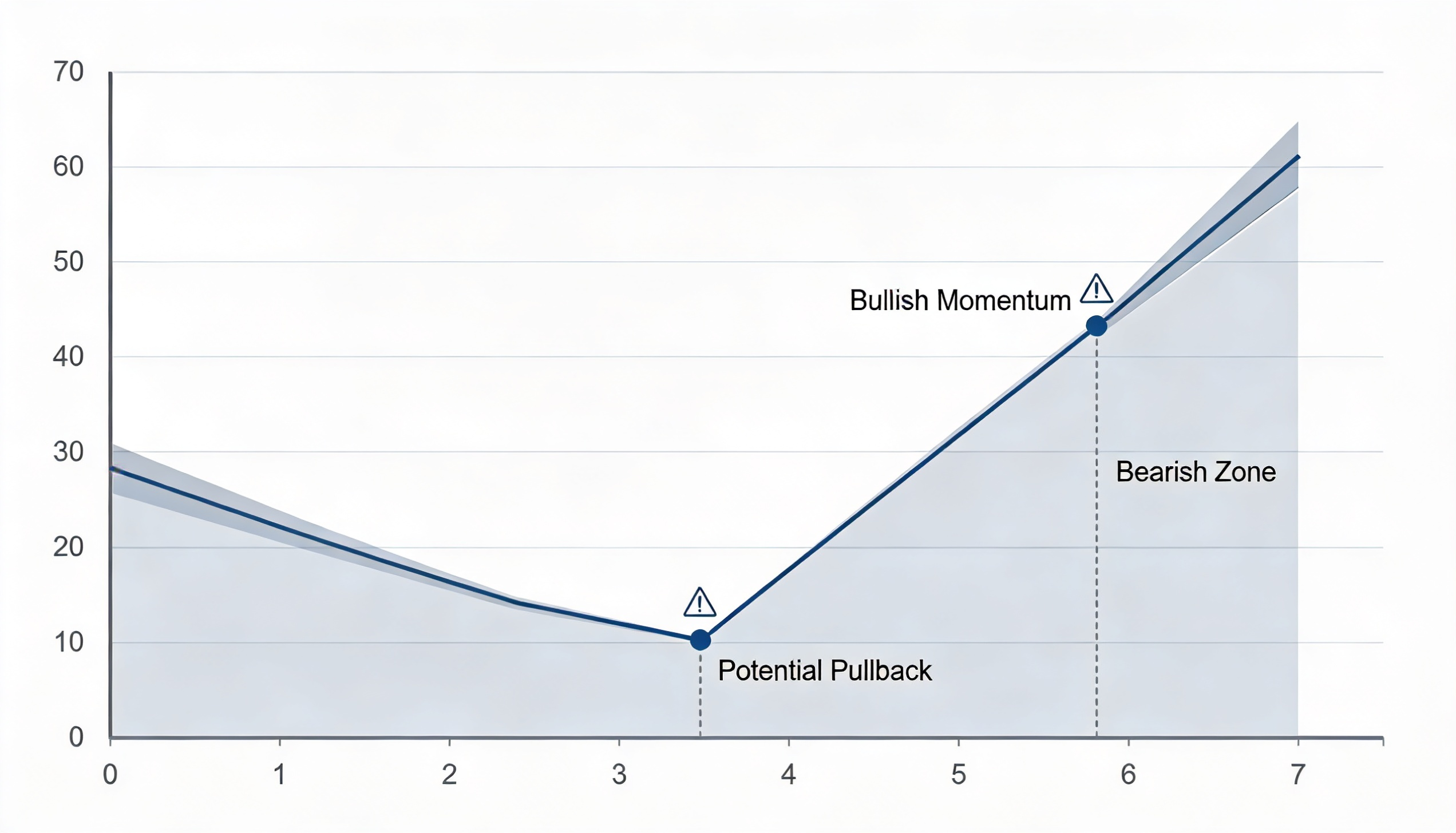
CryptoQuant’s Bitcoin Bull Score Index has climbed back to 50, marking its first return to neutral territory since the market topped above $126,000. The move signals improving conditions, but similar readings in the past have not always marked a durable bottom.
The index combines ten on-chain metrics—including network activity, investor profitability, and liquidity—to gauge overall market health. A reading of 50 indicates an even split between bullish and bearish signals. Levels below 40 typically reflect a structural bear market, while readings above 60 point to a strong uptrend.
After spending this cycle in bearish territory, the shift to neutral represents a meaningful change and aligns with bitcoin’s rebound from roughly $60,000 to the high-$70,000 range.
Still, history urges caution.
CryptoQuant analysts highlight March 2022 as a key precedent. At that time, the index also reached 50 following a recovery from around $35,000 to $48,000, prompting expectations that the bear market had ended after the late-2021 peak.
Instead, bitcoin reversed course and fell below $20,000 in the months that followed, extending the downturn despite the temporary improvement in on-chain data.
Julio Moreno, head of research at CryptoQuant, noted that the index briefly entered neutral territory during that period before the decline resumed—underscoring the risk of false signals during transitional phases.
While the latest reading reflects genuine strengthening in underlying metrics, derivatives positioning paints a more cautious picture.
According to QCP Capital, options markets continue to signal limited conviction. Short-term implied volatility remains subdued relative to realized volatility, skew is still tilted toward downside protection, and the term structure is only modestly upward sloping.
Together, these signals suggest the market may remain range-bound in the near term, with a sustained breakout likely dependent on stronger confirmation from both on-chain and derivatives indicators.