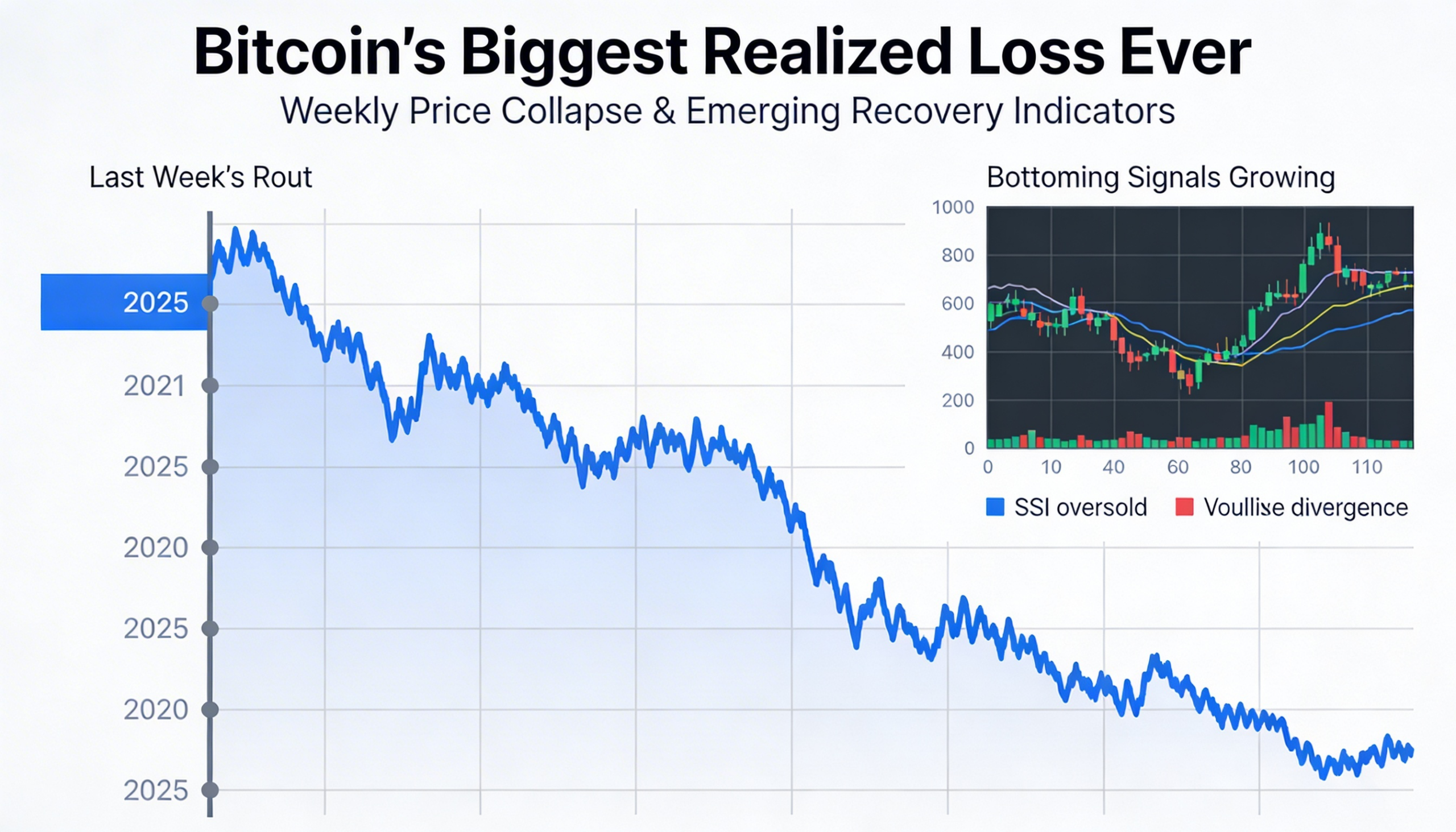
Bitcoin experienced a sharp weekend sell-off, dropping to $73,510 on Sunday, approximately 100 minutes after news of the Nvidia controversy became public. Low trading activity over the weekend may have worsened the decline, allowing selling pressure to push BTC lower within minutes.
Bitcoin’s price fell from $75,607 to $73,510 in just ten minutes during Sunday’s evening session, reaching its weakest level since August 21. The most aggressive selling occurred at 21:55 UTC (4:55 p.m. in New York), when BTC plunged 1.9% in a single minute on Binance.
The Nvidia controversy emerged as a potential explanation for the sudden market reaction. CNBC reported earlier that Sunday that Nvidia’s board had launched an independent investigation into CEO Jensen Huang’s alleged relationship with a woman suspected by U.S. intelligence agencies of providing information to Beijing. The allegations have not been independently established.
Huang reportedly addressed the relationship in an email to Nvidia employees.
The subsequent Bitcoin rebound has been relatively weak. BTC traded near $74,184 on Binance on Monday morning, remaining 2.2% below its level before the Nvidia report appeared. The latest decline also marked Bitcoin’s fifth consecutive losing week, with its weekly close at $74,851 against an opening price of $78,354.
This leaves traders questioning whether the Nvidia controversy triggered Bitcoin’s $2,000 plunge or whether limited weekend liquidity magnified an existing wave of selling.
Nvidia Controversy Emerged Nearly 100 Minutes Before Bitcoin’s Crash
Bitcoin’s initial reaction to the Nvidia report was relatively muted. CNBC published the story at 20:12 UTC on Sunday, equivalent to 3:12 p.m. Eastern time. BTC was trading around $75,880 on Binance when the report appeared.
For the next 90 minutes, the market remained largely stable. By 21:44 UTC, Bitcoin had declined to $75,607, just 0.4% below its price at the time of publication.
The situation changed rapidly afterward, with Ethereum experiencing a more pronounced sell-off. Between 21:50 and 21:55 UTC, ETH dropped from $2,213 to $2,060 on Binance, representing a 6.9% decline. Bitcoin also fell 2.4% during that five-minute period.
The simultaneous decline suggests that leveraged liquidations may have played an important role. When cryptocurrency prices fall below predetermined thresholds, exchanges automatically close leveraged positions to prevent further losses. These forced sales can intensify downward momentum, triggering additional liquidations and creating a cascading effect across the market.
However, the Nvidia controversy may have contributed to the negative sentiment. Nvidia is a major driver of the artificial intelligence sector, and Bitcoin has increasingly moved alongside AI-related stocks in recent weeks. Thursday’s semiconductor market sell-off had already pushed BTC below its 200-day moving average.
With traditional stock exchanges closed on Sunday, crypto markets offered investors an immediate opportunity to reduce their exposure following the Nvidia headlines.
Geopolitical uncertainty provided another source of pressure. U.S. Secretary of State Marco Rubio described Iran’s demands as “outrageous” and indicated that diplomatic discussions had failed to achieve meaningful progress.
Weak Weekend Trading Activity Accelerated Bitcoin’s Decline
Limited market liquidity appears to have magnified Bitcoin’s sudden price movement. Binance data from the previous year shows that average BTC trading volume reached approximately $24 million per weekend hour, compared with around $48 million during a typical weekday hour.
An examination of the same 12-month period identified 29 hourly trading sessions in which Bitcoin declined at least 2.5% from the opening price.
During Sunday’s sell-off, approximately $180 million worth of BTC changed hands within the affected hour. This was the second-lowest trading volume among the 29 identified declines and considerably below their median volume of $366 million.
The comparison highlights how relatively modest selling activity can produce significant price movements when liquidity is limited. At 21:55 UTC, Binance recorded approximately $75 million in Bitcoin trading volume within a single minute, roughly three times the amount normally exchanged during an entire weekend hour.
Nevertheless, weekend trading conditions do not necessarily increase the frequency of major Bitcoin crashes. Only six of the 29 significant hourly declines occurred on Saturdays or Sundays, slightly below weekends’ 29% share of all trading hours.
The main distinction is the market impact of each transaction. With fewer active buyers and sellers, a relatively small increase in selling pressure can cause a much larger price movement.
It is also worth noting that the figures exclude futures markets, meaning they do not capture all the forced liquidations that may have contributed to the decline.
Overall, the Nvidia controversy and geopolitical concerns likely encouraged investors to reduce risk, while weak weekend liquidity allowed the selling pressure to produce a much deeper Bitcoin correction.
Bitcoin Price Analysis: Can BTC Stay Above $73,510?
Bitcoin initially found buyers near $73,510, recovering to approximately $75,735 within two hours. However, the rebound failed to establish a stronger upward trend, and BTC subsequently slipped back toward $74,184.
The daily technical structure remains under pressure, with Bitcoin trading below all three of its daily exponential moving averages (EMAs). These indicators give greater weight to recent prices and help traders assess market direction. BTC also lost its 200-day EMA on Thursday, adding to concerns about its longer-term trend.
Resistance levels to watch:
- $75,735: Sunday’s rebound peak and immediate resistance.
- $76,490: The 200-day EMA, representing a major technical barrier.
- $77,607: The 100-day EMA and another potential resistance zone.
Key support levels:
- $73,510: Sunday’s lowest price and the first level buyers need to defend.
- $73,027: The August 21 low and the next important downside reference.
Bitcoin’s ability to reclaim $75,735 could provide an early indication of improving buying interest. A stronger move above the 200-day EMA at $76,490 would further improve the technical outlook. Conversely, losing the $73,510 support could expose BTC to another decline toward $73,027.