Bitcoin Faces Downside Risk as Treasury Liquidity Drain Looms, Fund Manager Warns
Bitcoin’s recent decline could accelerate as upcoming U.S. Treasury operations are set to withdraw significant liquidity from financial markets, according to Michael Kramer, founder and CEO of Mott Capital Management.
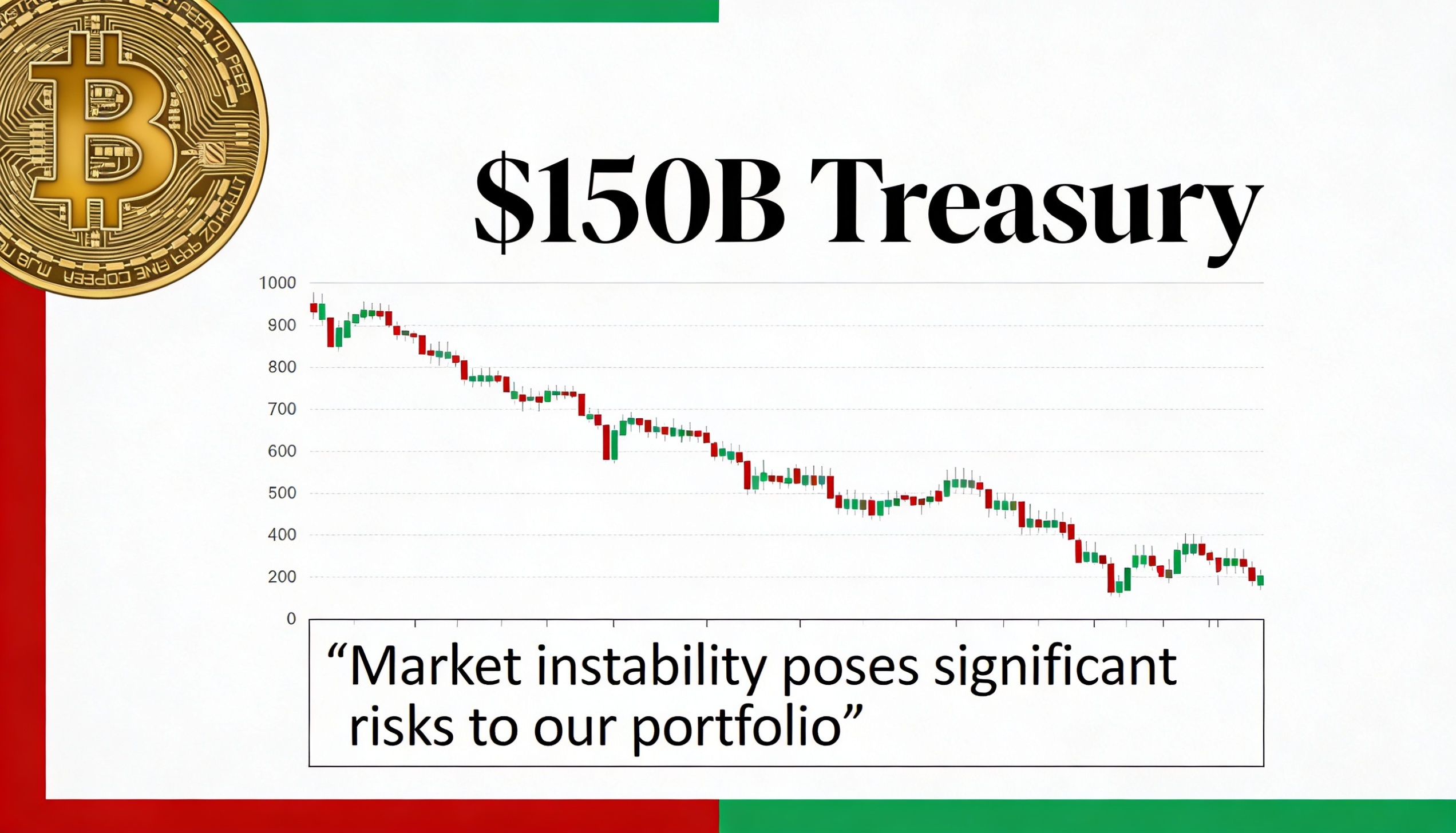
Kramer estimates that roughly $150 billion could be drained from the system between May 28 and June 5 as the Treasury ramps up debt issuance. He argues that Bitcoin often acts as a sensitive barometer of liquidity conditions, making it particularly vulnerable during periods of tightening cash flows.
“In my experience, Bitcoin tends to be a better liquidity indicator than most other instruments,” Kramer said in a recent market note. “If Treasury settlements pull liquidity from the system, then Bitcoin could be heading much lower.”
The mechanism behind this pressure is straightforward. When the U.S. Treasury issues bonds and bills, investors pay cash that is transferred into the Treasury’s account at the Federal Reserve. This process effectively removes liquidity from the broader financial system, reducing the pool of capital available for risk assets.
Such liquidity drains are not unusual, but their impact can be more pronounced during periods of heavy issuance. According to Kramer, the upcoming settlement window represents one of those moments where cash withdrawal could weigh on markets.
Risk assets, including cryptocurrencies, typically perform best when liquidity is abundant. When capital is pulled from the system, investors often adopt a more cautious stance, trimming exposure to volatile assets like Bitcoin.
Market action appears to be reflecting these dynamics. Bitcoin has fallen roughly 11% from its recent highs above $82,500 and was trading near $73,000 at the time of writing. Kramer also pointed to the break below the $75,000 support level as a signal that liquidity conditions may already be tightening.
While the outlook does not guarantee further downside, it highlights the growing influence of macroeconomic forces on crypto markets. Bitcoin, often viewed through a purely digital or decentralized lens, remains closely tied to broader financial conditions.
For investors, the takeaway is clear: macro liquidity trends, including government borrowing and cash management, can play a decisive role in shaping Bitcoin’s price trajectory, often overshadowing crypto-specific developments.