Bitcoin came under pressure as renewed U.S.-Iran tensions pushed crude oil prices higher, raising fresh concerns for global markets and keeping risk assets on the defensive.
BTC fell close to 1% during the latest session, trading around $79,700 after spending much of the weekend moving near the $80,000 level.
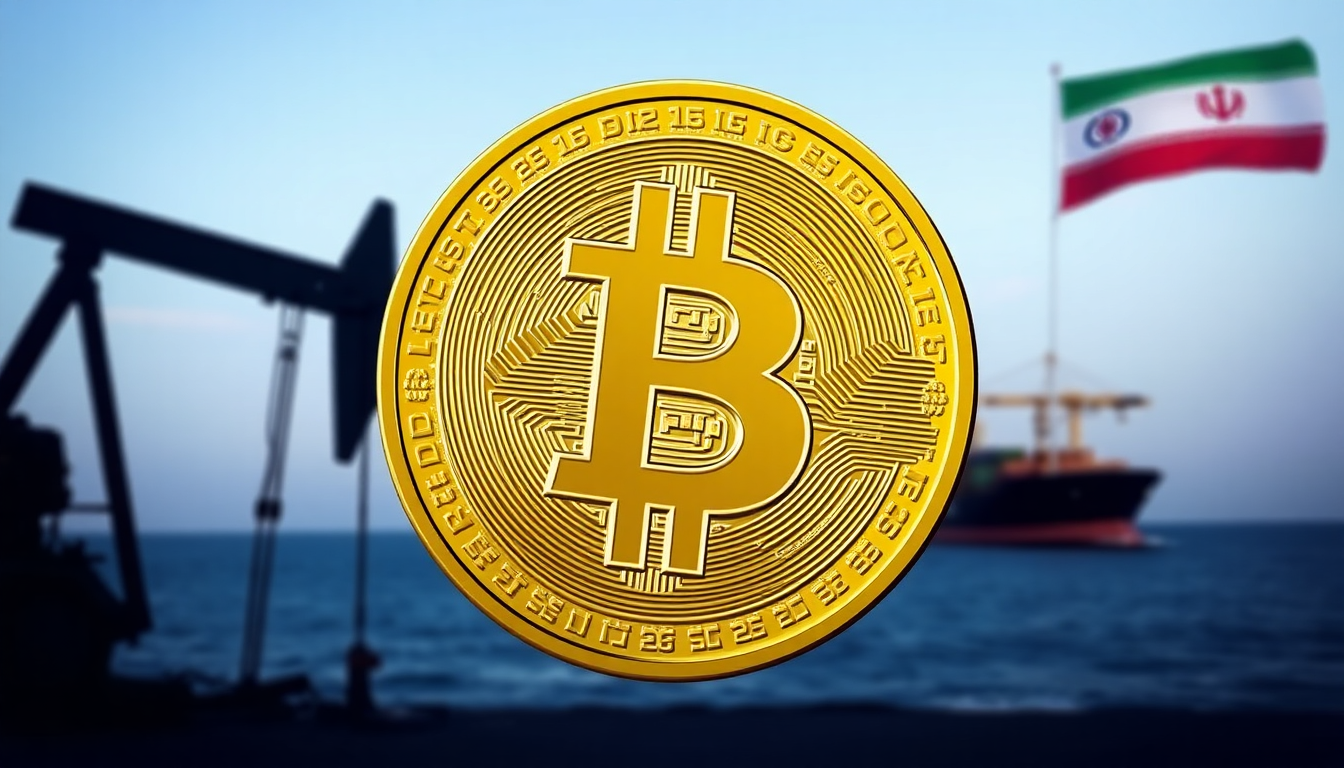
The decline followed U.S. military action against three Iranian oil tankers. U.S. Central Command said American forces targeted M/T Downy near Kharg Island, M/T Stark 1 near Jask and M/T Kylo in the Gulf of Oman.
Admiral Brad Cooper said the strikes were intended to impose a greater economic cost on Iran after attacks involving U.S. vessels.
Centcom also said U.S. forces had redirected 92 merchant ships, disabled three vessels and boarded two since the maritime operation resumed on July 14.
The developments helped lift oil prices by roughly 1% across both U.S. and European markets. West Texas Intermediate crude was trading near $92.72 a barrel and had gained more than 6% during the first seven days of September.
The sharp rebound in oil prices from around $70 in early July could create another inflationary challenge for the global economy. Higher energy costs can make it more difficult for central banks to lower borrowing costs, potentially reducing the liquidity support that has benefited risk assets such as Bitcoin.
Bitcoin was last trading near $79,700, down almost 1% from midnight UTC, according to CoinDesk.
The crypto market also faced another setback after the Liquid Network, a settlement layer used by crypto exchanges, was hit by an exploit estimated at about $320 million late Sunday.
Fed Uncertainty Adds to Bitcoin Pressure
Markets are also reassessing the Federal Reserve’s next policy move following stronger-than-expected U.S. employment data released Friday.
The August jobs report increased expectations for a possible rate hike, creating another potential headwind for Bitcoin. Higher interest rates generally reduce the appeal of speculative and liquidity-sensitive assets.
At the same time, President Donald Trump continued pushing the Fed to lower borrowing costs.
Trump wrote on Truth Social that the Fed Board should “get smart” and argued that a stronger economy should come with lower interest rates. He also called for the U.S. to have the lowest borrowing costs among major economies and urged the central bank to cut rates.
That puts Fed Chair Warsh in a difficult position as policymakers balance political pressure for easier monetary conditions against economic data showing continued labor-market strength.
For Bitcoin, the uncertainty surrounding the Fed’s policy direction could prove just as important as the possibility of an actual rate increase.
With oil prices rising, geopolitical risks intensifying and traders reassessing interest-rate expectations, the combination could further weaken investor appetite for Bitcoin and other risk-sensitive assets.