Bitcoin is maintaining its position as August’s top-performing major asset, showing limited reaction to renewed geopolitical tensions that have pushed crude prices higher.
Risk sentiment weakened after the U.S. launched an attack on an Iranian island in the Strait of Hormuz, prompting a retaliatory response from Iran. The strategically important waterway is a key route for global oil shipments and has faced disruptions since the conflict began around six months ago.
The latest escalation lifted oil markets. WTI crude futures rose nearly 2% to $85.10 a barrel, while Brent crude advanced 1.9% to $92.39, according to TradingView.
Meanwhile, traditional risk assets came under pressure. Gold declined 0.8% to $4,418 an ounce, and Nasdaq futures fell 0.5% as Asian equity markets also posted losses.
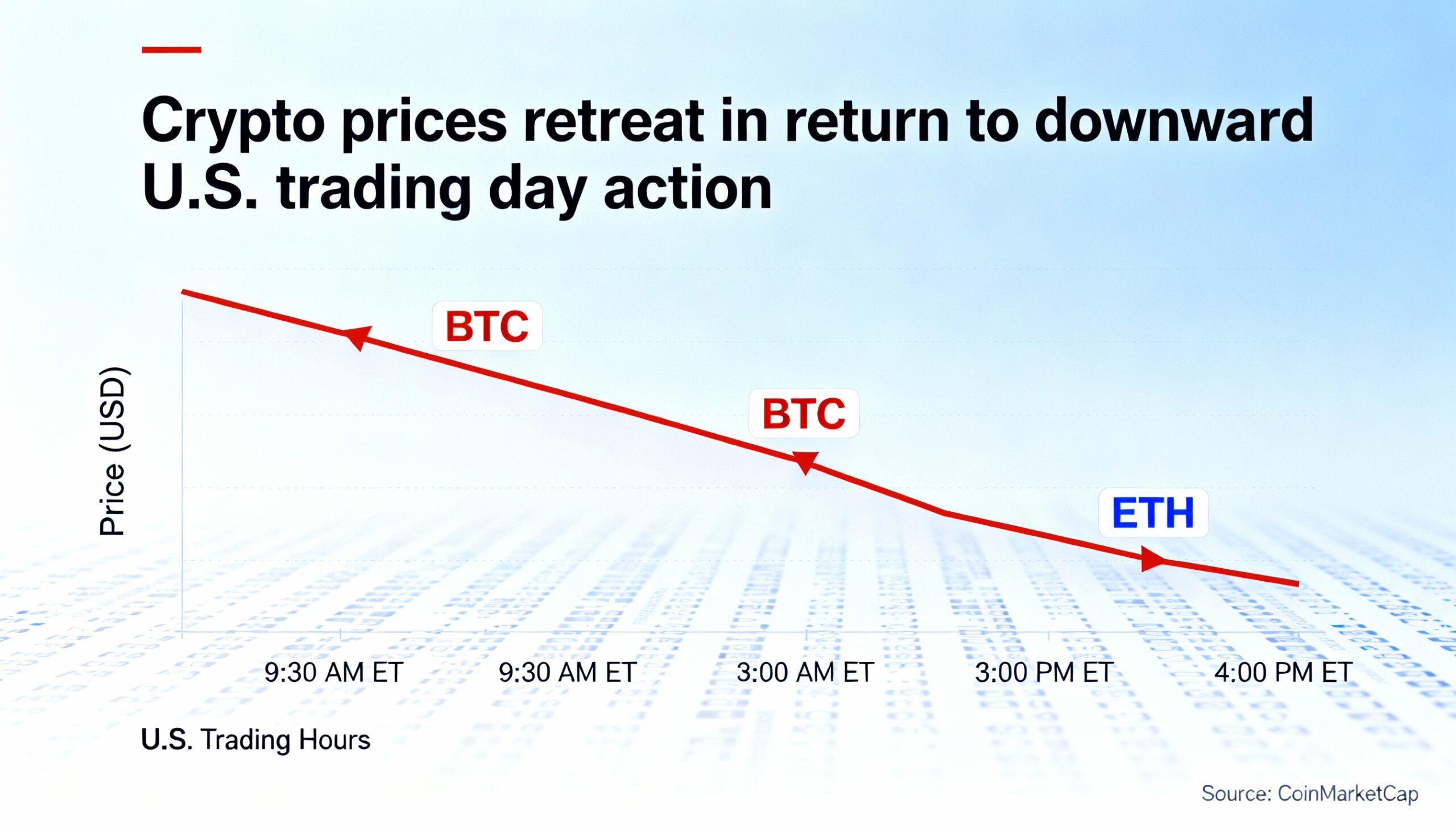
Bitcoin largely ignored the broader market weakness during Asian trading hours. BTC traded near $77,580, little changed from its midnight UTC level, according to CoinDesk.
Bitcoin has gained approximately 23% in August, comfortably ahead of gold’s 9% increase and the Nasdaq’s 4% rise. Other large-cap cryptocurrencies were slightly weaker, with XRP down 0.8% and Solana off 0.6%.
Bitcoin Holds Up Despite Rate Concerns
The cryptocurrency’s strength may be supported by continued demand for U.S. spot bitcoin ETFs and expectations that the Federal Reserve could take stronger measures following the Treasury’s bond-buyback program.
Those expectations were challenged Friday when Fed Chair Kevin Warsh delivered a hawkish speech at the Jackson Hole Symposium.
Warsh said inflation remains insufficiently controlled and suggested current financial conditions are not tight enough. He also argued that recent improvements in inflation data have yet to provide convincing evidence of a sustained reduction in underlying price pressures.
His remarks prompted investors to reassess the path of U.S. interest rates. MUFG FX strategist Lloyd Chan said markets were pricing a 58% probability of a September rate hike and roughly 1.5 rate increases through the end of the year.
Traders Remain Cautious
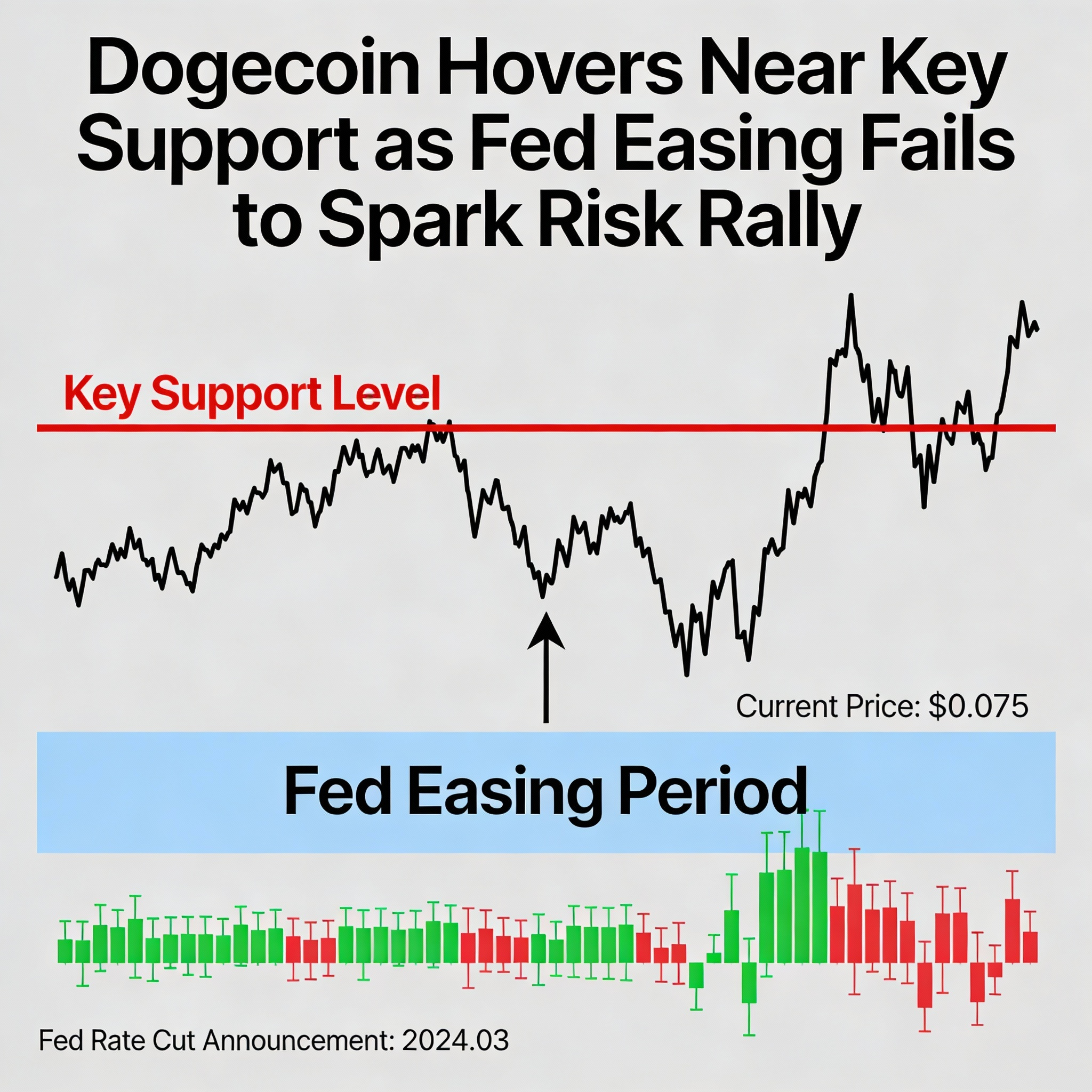
The combination of geopolitical risks and uncertainty over monetary policy has led some crypto market participants to recommend a more defensive trading approach.
Vikram Subbaraj, CEO of India-based Giottus, advised investors to avoid heavy leverage and instead consider smaller positions with staggered entries.
Subbaraj identified $77,000 as an important near-term support level for bitcoin. On the upside, the $79,400-$80,800 area remains a major resistance zone, particularly as traders prepare for the U.S. employment report scheduled for September 4.
For now, bitcoin’s ability to hold steady while crude rises and equities decline underscores its strong performance during August. Whether that resilience continues will depend heavily on upcoming economic data and any further changes in expectations for Federal Reserve policy.