Precious metals have pulled back sharply from their 2025 peaks as expectations for tighter Federal Reserve policy gain traction.
Both gold and silver have dropped below key psychological thresholds after reaching highs in January. Gold has fallen about 28% from its peak near $5,600 and is now trading below $4,000 per ounce, while silver has declined more than 50%, slipping under $59.
The sell-off is largely being driven by growing expectations of a more hawkish Federal Reserve under Chair Kevin Warsh. Markets are currently pricing in two 25-basis-point rate hikes by March 2027, which would push the federal funds rate to roughly 4.00%–4.25% as inflation concerns persist.
This shift marks a clear break from the dominant 2025 “debasement trade” narrative—the belief that rising deficits and expanding government debt would continue to erode fiat currency value.
Bitcoin, meanwhile, showed relatively muted performance through much of 2025, hovering around $100,000 even as gold and silver rallied strongly. This divergence led some investors to question whether bitcoin still belongs in the debasement trade or if its role as a hedge against currency dilution has weakened.
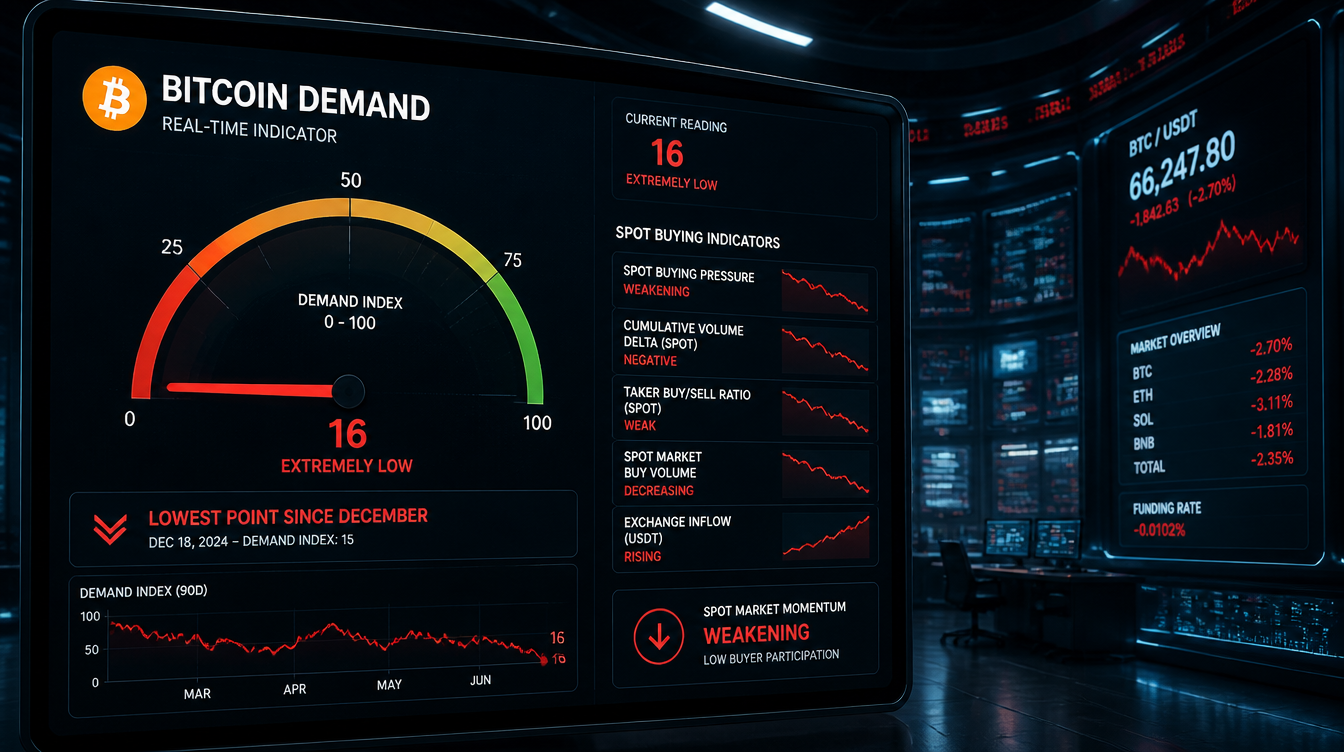
As the broader correction unfolded, bitcoin also declined. It is now trading below $62,000—roughly 50% down from its October all-time high—and has slipped under its long-term 200-week moving average near $62,800.
One positive for bitcoin is its relative strength versus metals in recent months. Since February, it has gained around 30% against gold and more than 55% against silver.
Despite that, all three assets have underperformed U.S. equities in 2026, where gains have been largely driven by semiconductor and memory-related stocks.